Choosing between a brownstone, co-op, or condo in Brooklyn Heights can feel less like picking a home type and more like choosing a way to live. You may love the idea of historic character, want a simpler monthly budget, or need flexibility for the future, but each option comes with very different tradeoffs. If you want to buy with clarity, it helps to understand how ownership, costs, control, and building rules actually work here. Let’s dive in.
Brooklyn Heights Housing Basics
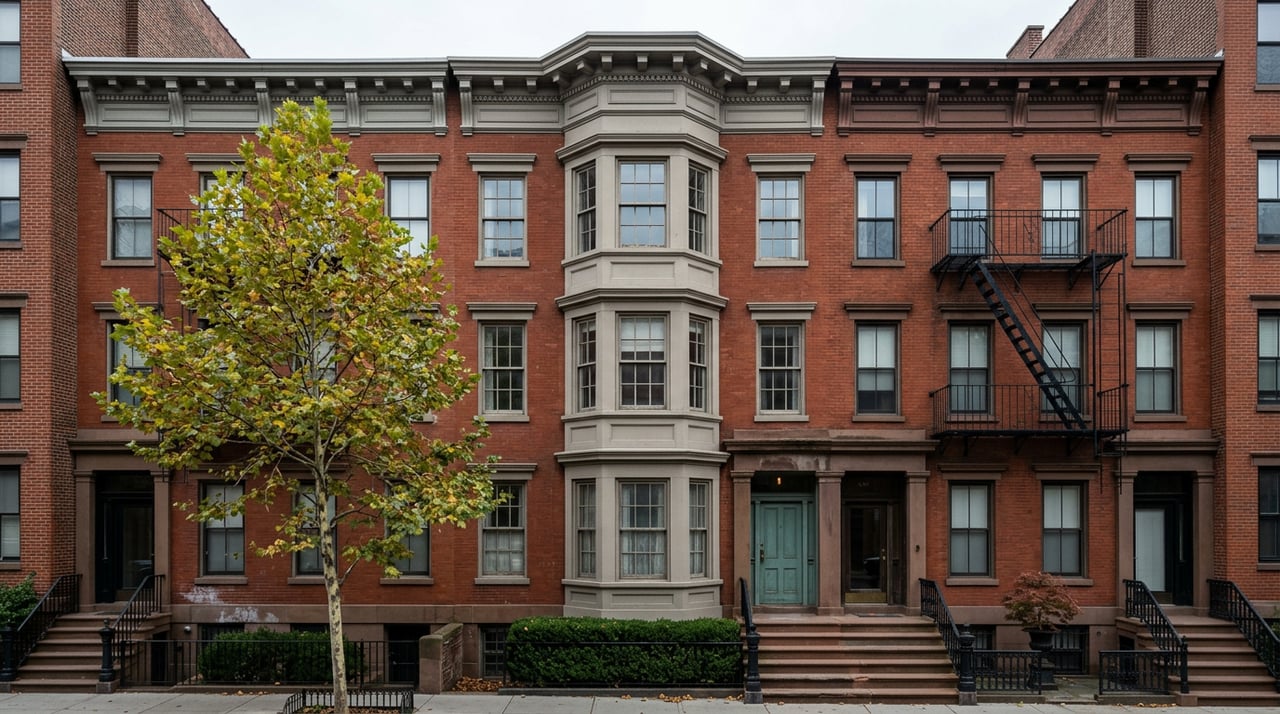
Brooklyn Heights is a landmarked residential district known for its 19th-century character. The neighborhood’s historic district was designated in 1965, and its building stock includes brick and brownstone houses, churches, and carriage houses.
That matters because the local housing mix is not just “brownstones.” In practice, you are choosing among rare townhouses, a broad co-op inventory, and a meaningful condo market that often clusters in larger and newer buildings.
Current public listings help frame the market. Brooklyn Heights shows 44 co-op listings, 34 condo listings, and just 3 house listings on StreetEasy, with a neighborhood median sale price of $1.3 million and median days on market of 60.
Start With Your Priorities
Before you compare floor plans or finishes, ask yourself what matters most in day-to-day ownership. In Brooklyn Heights, the right answer often comes down to control, monthly cost, flexibility, and maintenance responsibility.
A useful rule of thumb is this: privacy and control generally rise as you move from co-op to condo to townhouse. Amenity access often moves the other way, with condos usually offering more of it.
Brownstones In Brooklyn Heights
What You Are Buying
In New York City, buying a townhouse usually means buying the house itself and, in most cases, the land beneath it. In Brooklyn Heights, “brownstone” is often used as shorthand for the neighborhood’s rowhouse stock, not only homes with literal brownstone facades.
This is the most direct form of ownership among the three choices. Unlike a co-op, there is generally no board application or approval process tied to the purchase.
Why Buyers Choose Brownstones
If you value privacy, scale, and control, a townhouse often stands apart. You are not sharing hallways, building rules, or common walls in the same way you would in an apartment building.
For many buyers, that independence is the appeal. A townhouse can also offer more flexibility in how space is used, whether as a single-family home or, in some cases, as a building divided into units.
What To Watch Closely
That control comes with more direct responsibility. Townhouse owners are typically responsible for upkeep, repairs, taxes, and insurance, and townhouse insurance is usually more expensive than condo insurance.
In Brooklyn Heights, landmark rules also matter. Most exterior changes to front and rear facades in historic districts require review by the Landmarks Preservation Commission, while additions, demolitions, and new exterior construction require permits.
Ordinary repairs are treated differently. Replacing broken glass or repainting to match the existing color generally does not require a permit.
Brownstone Market Reality
Whole-house inventory is extremely limited in Brooklyn Heights. Public listings currently show only 3 houses for sale, including examples priced at $12.5 million to $13.495 million.
That scarcity is a market signal. If you are shopping for a townhouse here, you are usually entering the rarest and most expensive segment of the neighborhood.
Co-Ops In Brooklyn Heights
What You Are Buying
When you buy a co-op, you are not purchasing real property in the same way you do with a condo or townhouse. You are buying shares in a corporation and receiving a proprietary lease for a specific apartment.
Your monthly maintenance is generally based on the number of shares assigned to your unit. The building’s bylaws, house rules, and board also shape how the property operates.
Why Buyers Choose Co-Ops
Co-ops often appeal to buyers who want classic Brooklyn Heights housing stock with a wider range of price points. Current listings range from a $565,000 studio at 55 Pineapple Street to a $3.35 million three-bedroom at 2 Grace Court.
That spread makes co-ops an important middle-ground option in the neighborhood. For many buyers, they offer strong location value and historic character without the cost of a townhouse.
How Monthly Costs Work
A co-op’s maintenance may look high at first glance, but that number often includes more than a condo’s common charges. Maintenance commonly covers building upkeep, some utilities, staff salaries, the underlying mortgage, insurance, and property taxes.
This is why comparing sticker prices alone can be misleading. A lower purchase price with higher monthly maintenance may still be the right fit if you prefer a more bundled ownership structure.
The Tradeoffs
Co-op purchases usually involve the most process. Buyers generally submit a detailed application, interview with the board, and can be rejected.
Co-op boards may also limit how much financing you can use. Subletting and pied-a-terre use are often less flexible than in condos, so it is important to match the building’s rules with how you plan to live in or hold the property.
Condos In Brooklyn Heights
What You Are Buying
A condo purchase gives you ownership of the unit itself, along with an undivided interest in the building’s common elements. Compared with co-ops, the approval process is usually much simpler.
That simpler structure is one reason many buyers focus on condos when flexibility matters. They are generally more accommodating for resale, subletting, and pied-a-terre use.
Why Buyers Choose Condos
Condos are often the strongest fit for buyers who want convenience and more modern building features. In Brooklyn Heights, they are more likely to be found in larger and newer buildings, particularly near the waterfront.
They also tend to offer more amenities, such as fitness centers, rooftop lounges, coworking areas, pools, and similar features. If your ideal home includes service, ease, and newer finishes, condos often lead the conversation.
What Costs More Up Front
Condo ownership comes with common charges, but property taxes are paid separately. Closing costs also tend to be higher than in co-ops because buyers usually pay for title insurance and mortgage recording tax.
A common rule of thumb is to budget about 4% to 6% of the purchase price for closing costs, with condos usually landing at the higher end. In addition, New York State imposes a 1% mansion tax on residential purchases of $1 million or more.
That threshold matters in Brooklyn Heights because the neighborhood median sale price is already $1.3 million. Many condo purchases here will cross that line.
Condo Inventory Pattern
Current condo listings reflect the neighborhood’s larger-format and newer stock. Examples include 50 Bridge Park Drive #25E at $2.45 million, 360 Furman Street #410 at $1.995 million, and 50 Bridge Park Drive #25AE at $7.895 million.
This inventory pattern makes condos especially relevant if you want newer finishes, amenity access, and easier future flexibility. For many buyers, that combination justifies the higher acquisition costs.
Compare All-In Costs, Not Just Price
The smartest comparison is not brownstone versus co-op versus condo by asking which one costs less on paper. It is asking which one gives you the most value once you factor in purchase price, monthly carrying costs, insurance, taxes, and likely repair exposure.
Here is the basic framework:
- Co-op: lower entry pricing in many cases, but maintenance may bundle many building costs
- Condo: separate common charges and property taxes, plus typically higher closing costs
- Townhouse: direct control, but direct responsibility for repairs, taxes, and insurance
In Brooklyn Heights, older buildings are common, so it is especially important to ask what major work may be coming next. A lower monthly payment can lose its appeal quickly if a major capital project is around the corner.
Landmark Rules Matter Here
In a landmarked neighborhood like Brooklyn Heights, exterior work deserves special attention no matter which property type you buy. Buyers should ask about facade work, roof work, stoop conditions, windows, and any planned capital projects.
That is true for a townhouse and for apartment buildings alike. Exterior changes in historic districts usually require Landmarks Preservation Commission review, which can affect cost, timing, and project scope.
A Simple Decision Framework
Choose A Brownstone If...
- You want maximum privacy and direct control
- You are comfortable managing maintenance and repair decisions
- You understand that exterior work may face landmark review
- You are shopping in the highest and rarest segment of the market
Choose A Co-Op If...
- You want classic Brooklyn Heights housing stock
- You prefer broader price accessibility than a townhouse
- You are comfortable with board review and building rules
- You do not need much flexibility for subletting or pied-a-terre use
Choose A Condo If...
- You want easier approval and more ownership flexibility
- You value amenities and newer building systems
- You are prepared for separate property taxes and higher closing costs
- You may want stronger resale or rental flexibility later
Do More Due Diligence In Older Buildings
In Brooklyn Heights, due diligence should go beyond finishes and floor plans. The New York Attorney General recommends reviewing the full offering plan, board minutes, and financial reports because those documents can reveal defects, repair needs, and future costs.
That advice is especially important in a neighborhood filled with older housing stock. A beautiful apartment or townhouse may still need expensive exterior or building-wide work, and those details do not always show up in the listing photos.
The Right Choice Depends On How You Want To Own
There is no universal winner between a brownstone, co-op, and condo in Brooklyn Heights. The best choice depends on whether you want independence, predictability, flexibility, or access to newer amenities.
If you are buying at the high end of the market, those differences matter even more. A thoughtful purchase here is not just about what feels right on showing day. It is about matching the ownership structure to your lifestyle, budget, and long-term plans.
If you want a tailored read on Brooklyn Heights inventory and which ownership type best fits your goals, schedule a private consultation with The Diamonde Team.
FAQs
What is the difference between a co-op and condo in Brooklyn Heights?
- In a co-op, you buy shares in a corporation and receive a proprietary lease for the apartment. In a condo, you own the unit itself and an interest in the common elements, and condos are usually more flexible for subletting, resale, and pied-a-terre use.
Are brownstones rare in Brooklyn Heights?
- Yes. Current public listings show only 3 houses for sale in Brooklyn Heights, compared with 44 co-ops and 34 condos, making townhouses the rarest segment of the market.
Do Brooklyn Heights landmark rules affect renovations?
- Yes. Because Brooklyn Heights is a historic district, most exterior changes to front and rear facades usually require Landmarks Preservation Commission review, while additions, demolitions, and new exterior construction require permits.
Why do co-op monthly charges in Brooklyn Heights look high?
- Co-op maintenance often includes more bundled costs, such as building upkeep, some utilities, staff salaries, the underlying mortgage, insurance, and property taxes.
Are condo closing costs higher in Brooklyn Heights?
- Yes. Condo closing costs are typically higher than co-op closing costs, and buyers often budget about 4% to 6% of the purchase price, with condos usually on the higher end.
Does the mansion tax apply to Brooklyn Heights purchases?
- New York State applies a 1% mansion tax to residential purchases of $1 million or more, and that threshold is relevant in Brooklyn Heights because the neighborhood median sale price is $1.3 million.