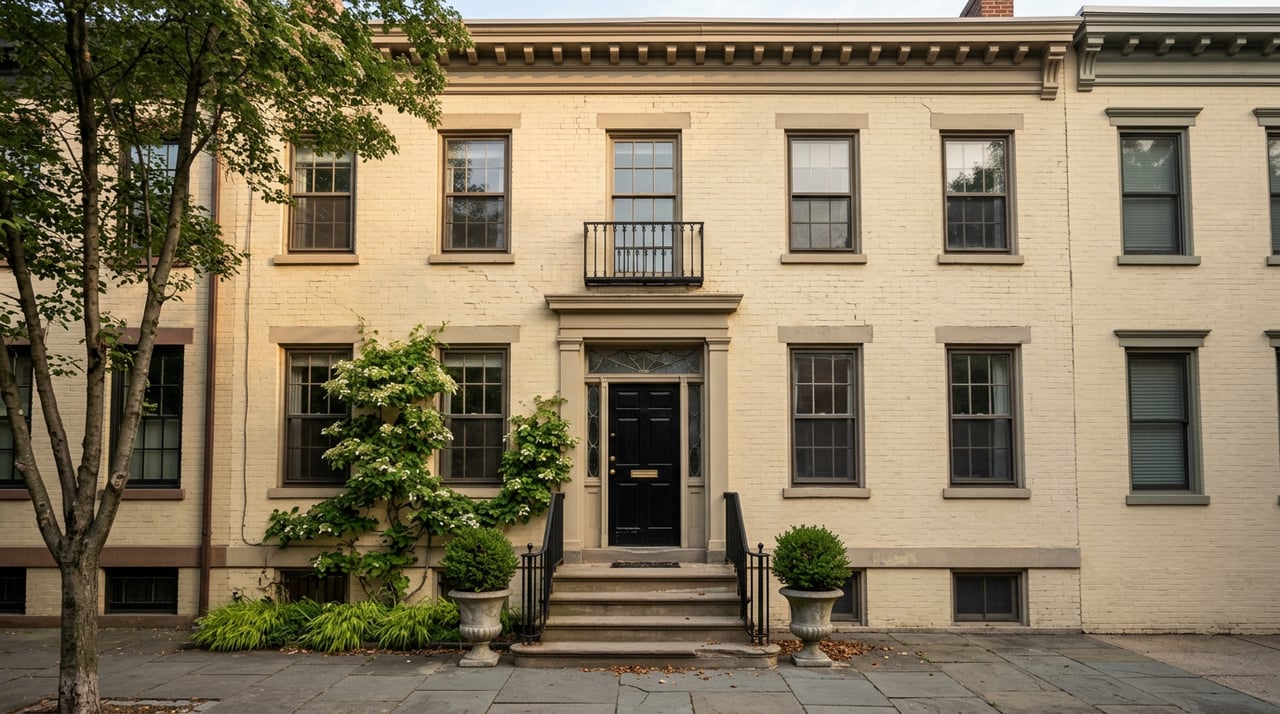
If you are buying a co-op on the Upper East Side, the board package is not a side task. It is a major part of the deal. In a neighborhood where co-op ownership remains common and many buyers pursue classic prewar homes for their relative value, board approval can shape your timeline, your strategy, and your peace of mind. The good news is that once you understand what boards tend to look for, you can prepare with confidence. Let’s dive in.
Why co-op boards matter on the Upper East Side
The Upper East Side remains one of Manhattan’s most co-op-heavy markets. Recent Manhattan market reporting noted that co-op-heavy housing stock on the Upper East and Upper West Sides continues to offer relative value, while renovated prewar homes still hold pricing power.
That matters because buying a co-op is different from buying a condo. In a New York City co-op, you are purchasing shares in the corporation and receiving a proprietary lease for the apartment, rather than taking direct title to the unit itself. The board, elected from the shareholders, helps enforce the bylaws, lease terms, and house rules.
For you as a buyer, that means the purchase is not only about price and financing. It is also about showing that you can comfortably carry the apartment and fit the building’s expectations as a long-term shareholder.
What a co-op board is really evaluating
Most boards are focused on two broad questions. First, can you afford the apartment? Second, are you likely to be a stable, low-friction shareholder who will follow building rules?
The financial review usually comes first. Industry guidance often points to debt-to-income targets around 30 percent, with stricter buildings looking for 25 percent or even 20 percent. Boards may also require post-closing reserves that range from a few months of housing costs to roughly two years or more, depending on the building.
The second piece is fit. On the Upper East Side, many buildings value predictability and long-term ownership. That often means they want to understand your primary residence plans, your expectations around subletting, whether pets are allowed, how guests may stay in the apartment, and whether you plan to begin a major renovation soon after closing.
What goes into a strong board package
A typical New York City co-op package includes a long list of documents. Exact requirements vary by building, so the managing agent checklist and the building’s governing documents are what matter most.
In many cases, you should expect to provide:
- A financial statement or net-worth statement
- Recent tax returns
- Bank and asset statements
- Employment verification
- A loan commitment letter if you are financing
- Personal and professional reference letters
- Government-issued ID
- The signed contract of sale
- The purchase application
- House-rules acknowledgments
- Insurance proof
- Signed authorizations for credit and background checks
A strong package is not just complete. It is also easy to review. Buyer guidance in New York often recommends a concise cover letter and a clear table of contents so board members can move through the file quickly.
Just as important, avoid clutter. Extra material, decorative additions, or personal photos do not strengthen your case. A board package works best when it is orderly, direct, and fully supported by clean documentation.
Financial details boards notice quickly
Boards tend to focus first on your finances, which is why consistency matters so much. If a figure on your financial statement does not match the backup document, that can trigger questions and delay the process.
Common issues that invite follow-up include:
- Large unexplained cash deposits
- Major recent asset transfers
- Compensation that varies significantly year to year
- Commission-heavy or bonus-heavy income without clear support
- Divorce, alimony, or support obligations that are not clearly documented
- Any mismatch between your application and your statements
This does not mean a nontraditional financial profile cannot work. It means your paper trail needs to be clear. If your income is complex, your assets recently shifted, or your reserves come from multiple accounts, organization becomes even more important.
Why financing can slow the process
Even when you are otherwise ready, financing can hold up a co-op package. Recent New York buyer guidance notes that loan commitment letters may take about 45 days.
That timing matters because many buildings will not treat your package as fully complete until the lender side is in place. In practical terms, you may feel ready to submit long before the final mortgage document arrives.
This is one reason serious Upper East Side buyers benefit from preparing documents early. If you know you will finance, it helps to treat the mortgage timeline and the board package timeline as connected from day one.
What long-term fit looks like
Board approval is not only a math exercise. Buildings also want confidence that your plans line up with their rules and operating culture.
In many co-ops, long-term fit comes down to a few practical questions. Will this be your primary residence? Do your sublet expectations match the building’s policy? Are you aware of pet rules, guest rules, and renovation procedures?
These policies are building-specific. They are usually found in the bylaws, proprietary lease, house rules, and signed acknowledgments. If you assume instead of verify, you risk an avoidable problem later.
On the Upper East Side, where many buyers are drawn to well-run co-op buildings and renovated prewar apartments, this fit question can carry real weight. A thoughtful buyer who understands the building’s framework often presents more smoothly than one who treats the process casually.
How to approach the board interview
By the time you reach the interview stage, the board often has already formed an initial opinion from your package. That means the interview is usually about confirming what they have read, not changing the story.
The best approach is simple and disciplined. Know your package well, arrive on time, dress professionally, and keep your tone warm and concise. Answer what is asked, and avoid turning the meeting into a wide-ranging conversation.
If you are buying with a partner, it can help for one person to answer detailed financial questions if that keeps the discussion clear. Cross-talk and overexplaining can make even strong buyers sound less prepared.
It is also wise not to use the interview to ask your own list of questions. This is not usually the moment to raise a detailed renovation agenda or offer more information than requested.
Legal boundaries buyers should understand
New York City fair housing rules prohibit direct or indirect questions that reveal protected-class information. City guidance identifies protected areas that include religion, age, birthplace, marital status, race, disability, sexual orientation, lawful source of income, and family status.
A board may request government-issued ID if that request is handled consistently. But requests for photos or documents that reveal protected traits may be evidence of discrimination.
There is also a new rule for boards that choose to run criminal background checks. Under New York City’s Fair Chance Housing Law, a co-op or condo board must first review general eligibility and make a written conditional offer before reviewing conviction history, and the law limits how that history may be considered.
For buyers, the practical takeaway is straightforward. You should expect a detailed financial and procedural review, but that process still has legal boundaries.
What the new 2026 timing law means
New York City has enacted a new co-op application timeline law. Local Law 58 of 2026 was enacted on January 29, 2026 and is scheduled to take effect on July 28, 2026.
The law applies to New York City co-ops with more than 10 units, with some exceptions that include certain government-approved or HDFC co-ops. It will require written application materials, a 15-day acknowledgment of completeness, and a 45-day decision window after a complete application.
That should bring more structure to the process in many buildings. Still, buyers should not confuse a timeline rule with a lower approval bar. Co-op boards still do not have to explain a denial, so the quality of your package remains critical.
Smart ways to improve your odds
You cannot control every variable in a co-op purchase, but you can control your preparation. On the Upper East Side, where board approval is part of many transactions, disciplined planning can make the process feel far more manageable.
Here are a few practical ways to strengthen your position:
- Review the building checklist carefully and follow it exactly
- Start gathering financial records early
- Keep every number consistent across statements and forms
- Prepare a concise, professional cover letter
- Avoid adding unnecessary materials
- Confirm house rules before making assumptions about pets, guests, sublets, or renovations
- Build extra time into your schedule if financing is involved
- Treat the interview as a confirmation step, not a sales pitch
A polished board package sends a useful signal. It shows that you understand the process, respect the building’s standards, and are ready to move through the transaction with care.
Buying a co-op on the Upper East Side can be highly rewarding, especially if you are drawn to classic architecture, established buildings, and the relative value this segment can offer. The key is to prepare for the board process as seriously as you prepare for the purchase itself.
If you want a clear strategy for navigating a co-op purchase on the Upper East Side, The Diamonde Team can help you approach the process with precision, discretion, and strong local insight.
FAQs
What do Upper East Side co-op boards usually care about most?
- Most boards focus on whether you can comfortably afford the apartment and whether you appear to be a stable shareholder who will follow the building’s rules.
What documents are usually required for a New York City co-op board package?
- Most packages include financial statements, tax returns, bank and asset statements, employment verification, a loan commitment letter if financing, references, ID, the signed contract, the purchase application, house-rule acknowledgments, insurance proof, and background-check authorizations.
How much post-closing liquidity do NYC co-op boards expect?
- Requirements vary by building, but post-closing reserve expectations can range from a few months of housing costs to roughly two years or more.
How long can an Upper East Side co-op approval take?
- Timing varies, but financing alone can delay a package because loan commitment letters may take about 45 days, and starting July 28, 2026, certain NYC co-ops will face a 15-day completeness acknowledgment and a 45-day decision window after a complete application.
What should you do at a New York co-op board interview?
- Arrive on time, know your package well, answer only what is asked, keep your tone professional and friendly, and avoid using the interview to pitch a renovation plan or ask your own list of questions.
Can a New York City co-op board ask personal questions at an interview?
- No. New York City fair housing rules prohibit questions that directly or indirectly reveal protected-class information such as religion, age, birthplace, marital status, race, disability, sexual orientation, lawful source of income, or family status.