Wondering which renovations actually move the needle in a Hamptons village sale? You want a plan that respects your home’s character, fits local rules, and attracts buyers who value turnkey living. In this guide, you’ll learn how to prioritize upgrades, map a realistic timeline, and time your listing for maximum impact. Let’s dive in.
What Hamptons buyers value
Turnkey and low maintenance
Many Hamptons buyers look for move-in–ready homes with high-quality, durable finishes. They value homes that feel fresh and require minimal immediate work. Reliable systems and clean, neutral design reduce friction during inspections and negotiations.
Indoor-outdoor living
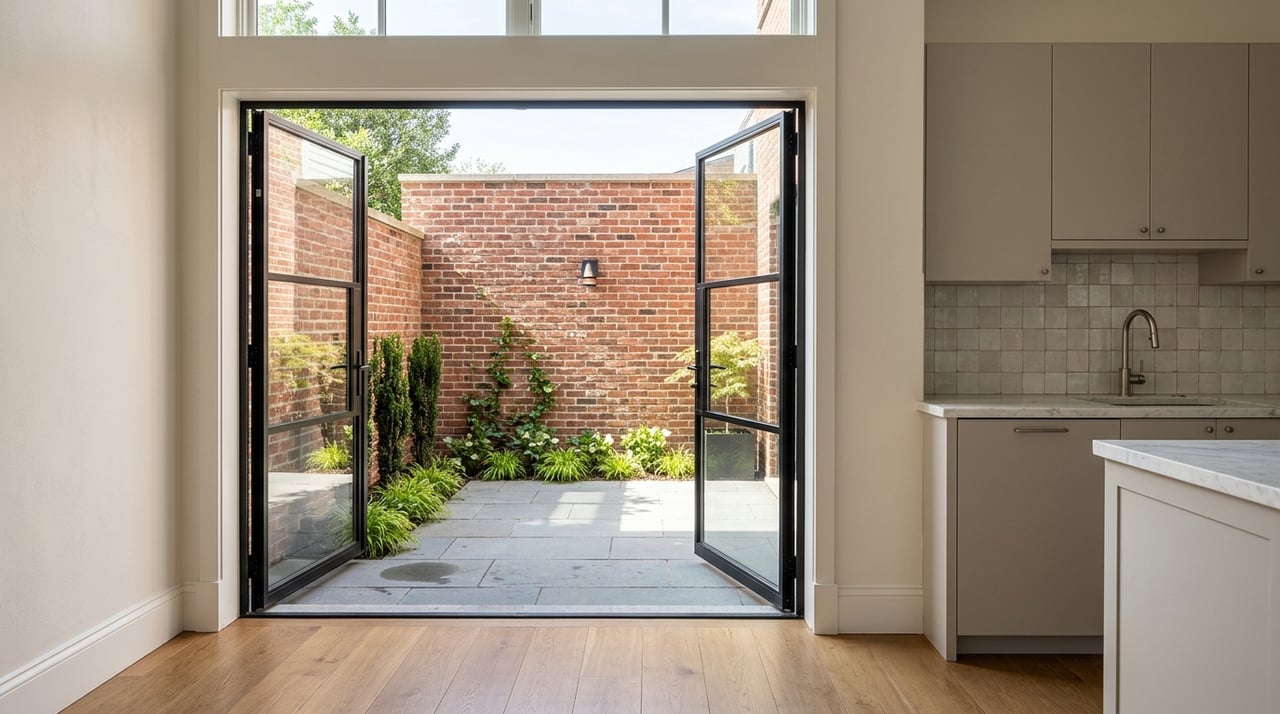
Outdoor spaces can be decisive. Buyers respond to inviting terraces, pools, and gardens that extend daily living. Good lighting, privacy landscaping, and clear flow from kitchen or great room to the yard help your home stand out.
Neutral, high-quality finishes
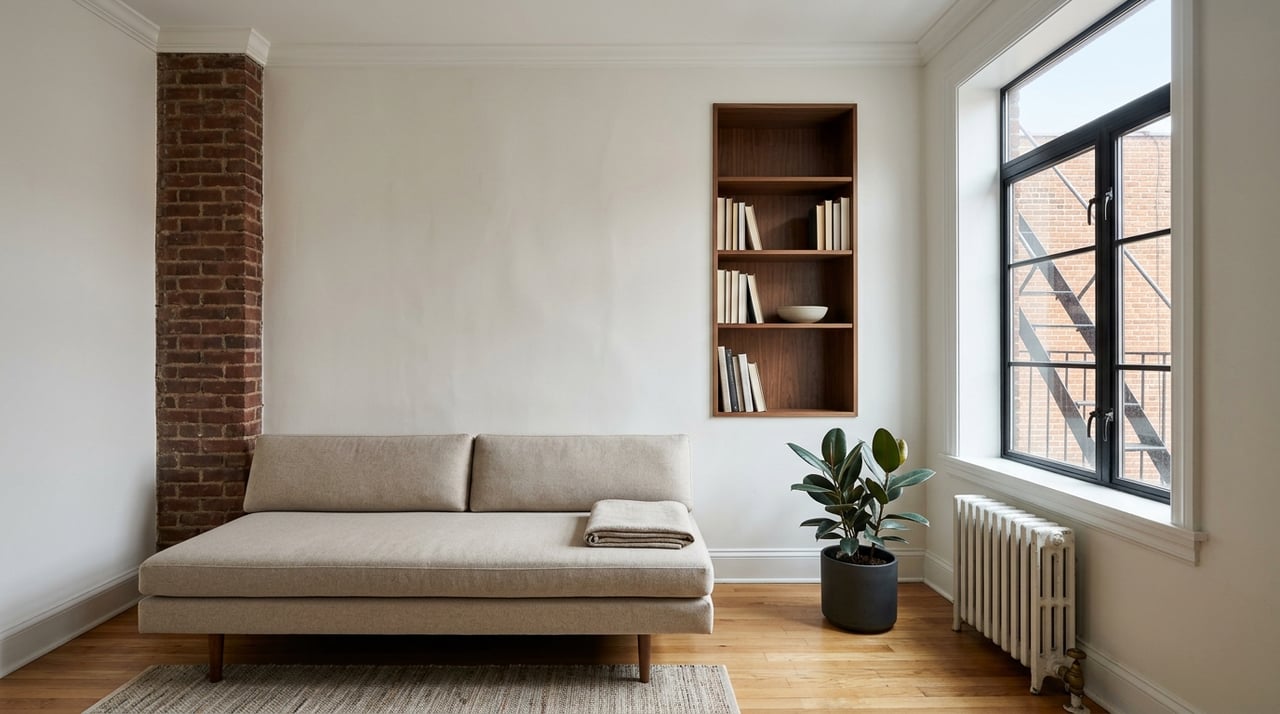
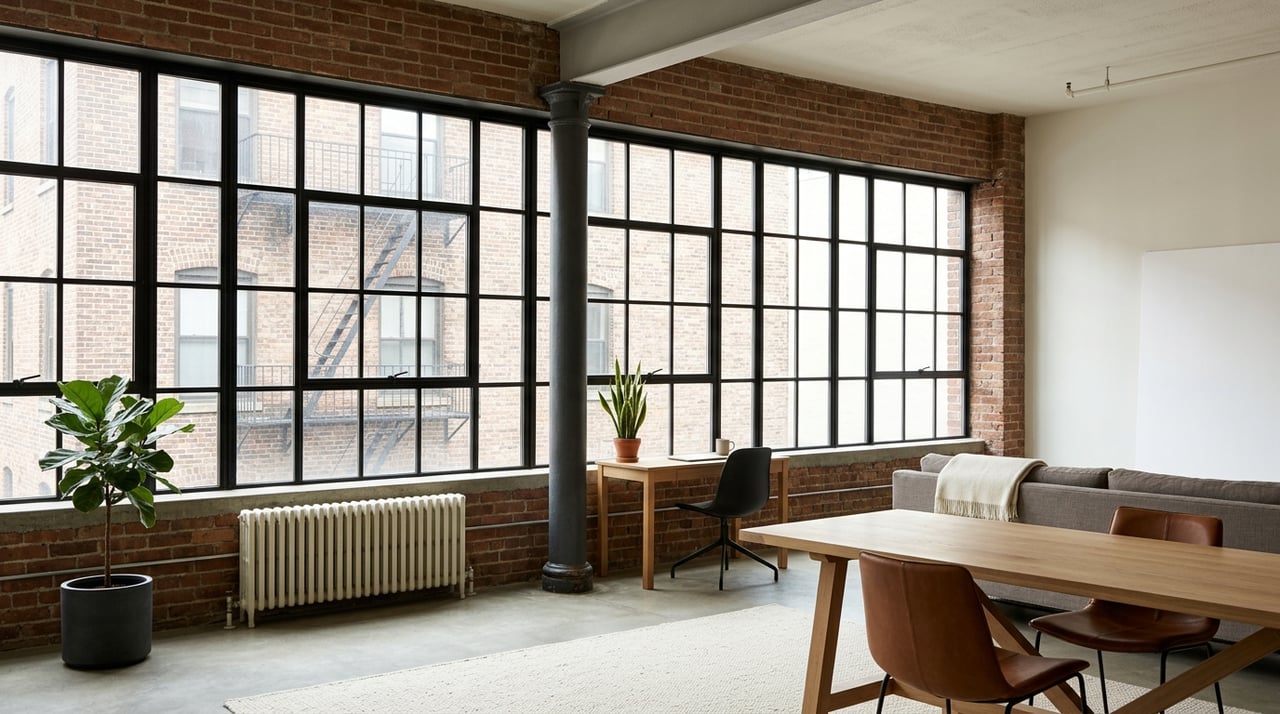
Design-forward, but not overly personal, is the sweet spot. Think calm palettes, timeless stone, quality hardware, and resilient surfaces that hold up to seasonal use. Over-customization can narrow your buyer pool.
Timing and seasonality
Peak listing and buying activity typically hits in late spring into early summer. If you can go live before Memorial Day, you are more likely to capture summer interest. Plan your renovation timeline backward from that seasonal window.
Prioritize projects that pay off
First-tier priorities
Focus first on items that buyers and inspectors will notice immediately:
- Structural and systems health: roof, HVAC, electrical, plumbing, and septic or municipal connections. Document recent service and address obvious issues before you list.
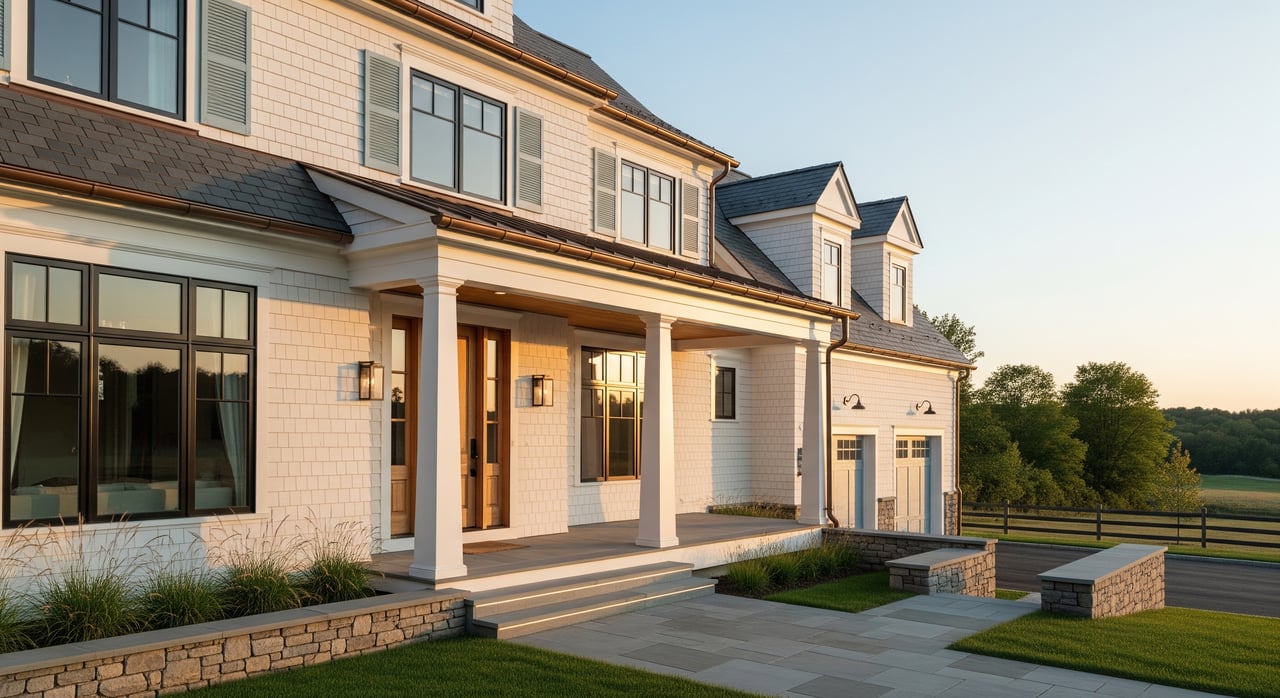
- Curb appeal and exterior condition: cedar shingles, trim, paint, driveway, and landscape grooming. A tidy entry, updated lighting, and simple natural plantings go a long way.
- Kitchen refresh: improve functionality and surfaces with a clean layout, quality counters, and reliable appliances. You can often achieve a strong result with a thoughtful refresh instead of a full gut.
- Bathrooms: update the primary and guest baths with new fixtures, bright lighting, and well-ventilated spaces. Keep tile and finishes neutral and refined.
- Cosmetic updates: fresh paint, refinished floors, streamlined window treatments, and updated hardware. Aim for consistency across rooms.
Second-tier priorities
These projects can add significant lifestyle appeal when budget and timing allow:
- Outdoor living: decks or terraces, pool or pool upgrades, outdoor kitchens, fire features, and layered landscape lighting.
- Flexible sleeping and suites: create guest suites or a pool cabana with bath for groups and extended stays.
- Open living and flow: adjust layout to improve sightlines and access to the yard.
- Efficiency and smart features: high-efficiency HVAC, smart thermostats, EV charging, and security that supports year-round or seasonal use.
Preserve village character
If your home has historic or cottage details, lean into them. Buyers often value original woodwork, shiplap, and period-appropriate finishes when balanced with modern comfort. Work with pros who understand village design boards so you keep charm while upgrading performance.
What to skip before listing
Avoid projects that cost a lot and slow your timeline without helping price or marketability.
- Niche, personalized features that will not appeal to most buyers.
- Landscaping that will not mature before photos and showings unless it is professionally staged.
- Large additions or structural changes that risk long permitting delays. In some cases, selling as-is with proper disclosure is smarter.
Plan your timeline
Typical renovation windows
Every property is unique, but these ranges help set expectations:
- Minor refresh: 2 to 8 weeks for paint, floors, and light kitchen or bath updates.
- Moderate remodel: 8 to 20 weeks for a kitchen remodel, multiple bath updates, and landscape or driveway work.
- Major renovation or addition: 6 to 12 months or more when structural changes, pools, or site work are involved.
- Final prep: 2 to 4 weeks for staging, photography, and marketing assets after work ends.
Permit strategy
Engage your village or town building department early. Confirm whether you need building, electrical, and plumbing permits, and whether your property triggers coastal, flood, or historic reviews. Certificates of occupancy and final inspections should be completed before you hit the market to reduce buyer objections.
Contractor selection
Choose local contractors with proven Hamptons experience. Review portfolios of similar high-end projects and check references. Build contracts that include milestones, insurance, lien waivers, and a contingency reserve of 10 to 20 percent for scope changes.
Design and sourcing
Opt for materials that suit the Hamptons aesthetic and seasonal use. Neutral stone, whitewashed or light woods, and marine-grade metals perform well over time. Order long-lead items early, such as custom doors, windows, specialty appliances, and certain tiles.
Documentation and disclosure
Pre-renovation checklist
Use this to align work with your sale strategy:
- Request a market analysis to target your price band and buyer profile.
- Commission a home systems inspection to surface critical repairs.
- Confirm village or town approvals, including architectural review and any coastal or flood requirements.
- Select an experienced contractor and designer; verify insurance and references.
- Build a timeline that lands you before the late-spring listing window.
- Set a contingency budget and track scope against expected ROI.
- Plan staging and professional photography well before completion.
What buyers will ask
Anticipate questions and have paperwork ready:
- Are electrical, plumbing, and septic or sewer systems up to code and recently serviced?
- What is the flood zone, and are there elevation or insurance considerations?
- What upgrades are new, and were permits pulled? Include dates and warranties.
- Is the home set up for seasonal rentals, with laundry capacity and guest suite flexibility?
- What are annual operating costs for utilities and maintenance?
List for a premium
Involve your agent early
Bring your agent in at the planning stage so your scope matches buyer priorities in your price range. You will benefit from contractor referrals, design input, and advice on whether a refresh or a deeper remodel makes more sense for timing and budget. Early guidance can help you avoid over-improvement.
Pricing window and timing
Aim to be market-ready in late spring to meet peak demand that runs into early summer. If work will run long, your agent can advise on whether to list with a clear completion schedule or to release a pre-market preview with renderings and progress updates.
Staging and marketing assets
High-quality photography matters, including twilight images and well-styled outdoor rooms. Drone visuals can help show proximity to village amenities when appropriate. Create a clean upgrade list and include manuals, warranties, and controls in a simple packet for buyers.
Showings and negotiations
Plan showings around peak visiting windows, including weekends. Pre-listing inspections and complete disclosures increase buyer confidence, reduce renegotiation risk, and support stronger offers. Your agent will frame the renovations in terms of daily living and long-term durability.
Upstate vs. Hamptons notes
If you are renovating upstate, you will face different conditions. Pools and coastal permits are less central, while well and septic considerations, rural zoning, and winterization can take priority. Always confirm local rules, historic guidelines, and seasonal factors specific to your town before you finalize design and timing.
Ready to map your scope to the market and launch at the right moment? If you want boutique, design-savvy guidance with premium marketing and negotiation, schedule a private consultation with The Diamonde Team.
FAQs
What adds the most value before selling a Hamptons home?
- Start with systems, curb appeal, a functional kitchen refresh, and updated baths, then layer in outdoor living if time and budget allow.
When should I start a renovation to list by summer?
- Work backward from a late-spring launch, allowing 8 to 20 weeks for moderate projects plus 2 to 4 weeks for staging and photography.
Do I need permits for a cosmetic refresh?
- Many cosmetic updates do not require permits, but electrical, plumbing, structural, and exterior changes often do, so confirm with your village or town.
How do I avoid over-customizing my renovation?
- Use a neutral palette, choose timeless materials, and keep layout changes focused on flow and function rather than personal taste.
Are pools worth adding before listing?
- A new pool can attract buyers but often requires long timelines and permits; upgrading an existing pool or creating strong outdoor rooms may be faster.
What documentation should I provide buyers post-renovation?
- Share permits, inspection sign-offs, warranties, service records, and a clear list of completed upgrades with dates.
How can staging improve my sale price?
- Staging clarifies scale and lifestyle, highlights indoor-outdoor flow, and helps photos win attention during peak season.