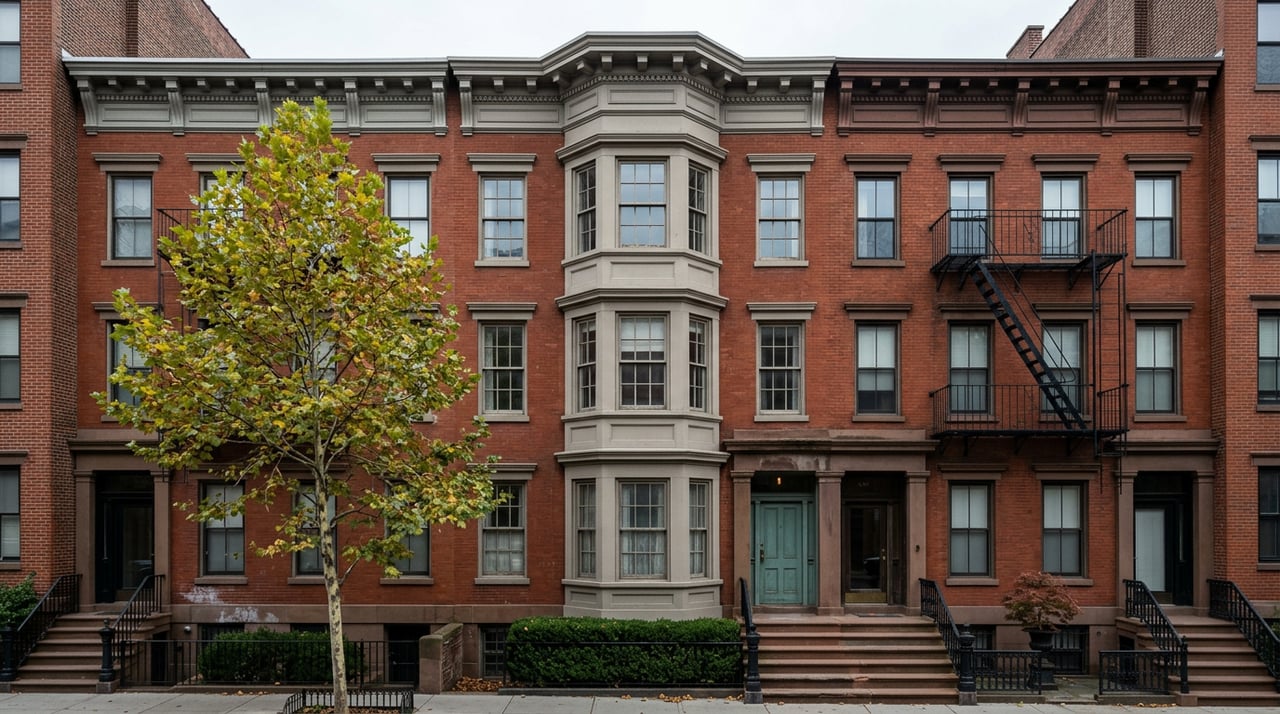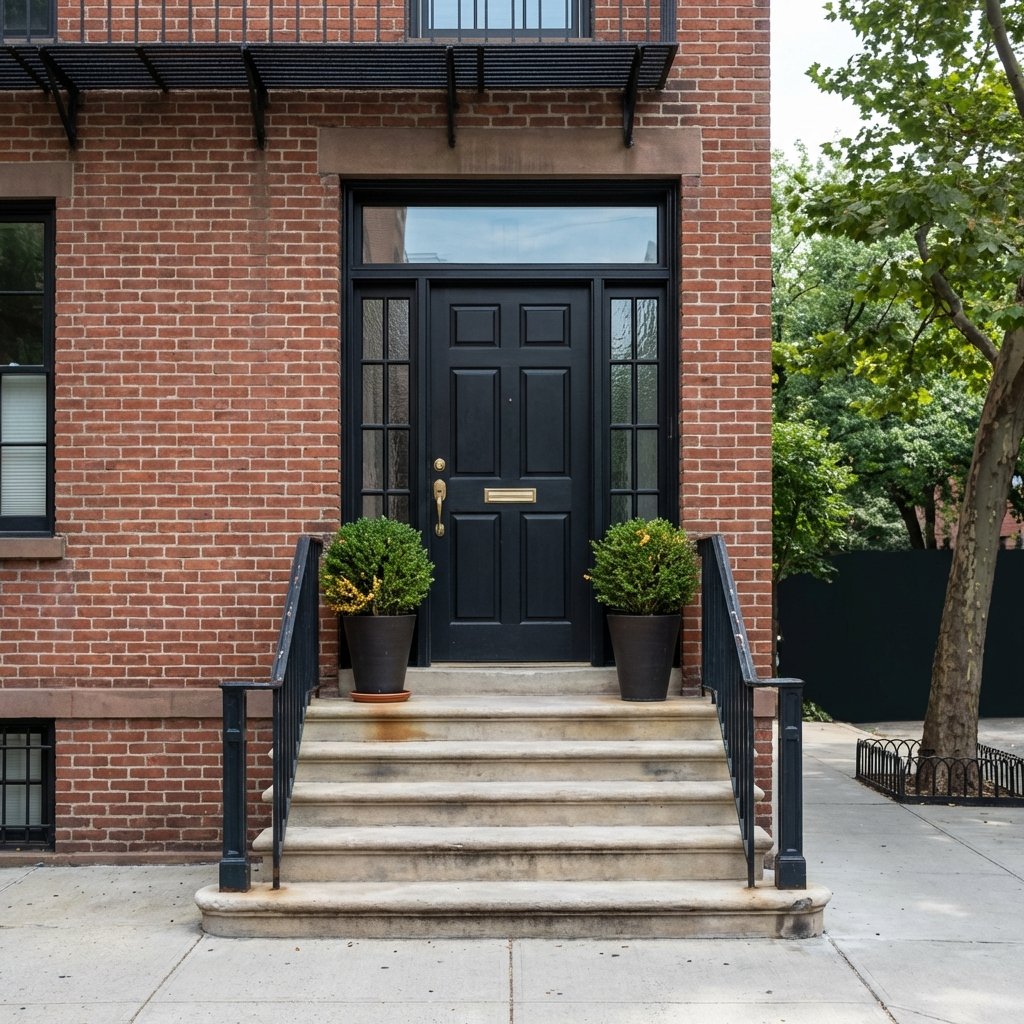
One record-setting sale can reset pricing for the entire West Village. If you own a townhouse here, you already know the market is both rare and nuanced, and every detail matters. In this guide, you will learn how top agents price West Village townhouses, which features move value, how to choose a strategy, and what to expect in closing costs. Let’s dive in.
The market right now
Townhouses in the West Village are scarce, and headline trades shape expectations. A recent double‑wide closed for roughly $73 million, a downtown record that underscores how trophy properties can pull the conversation upward for nearby listings reported by The Real Deal. At the same time, multiple sales in the 20 to 35 million range have reinforced that well-positioned houses still command premium attention.
For sellers, demand indicators across the neighborhood are encouraging. StreetEasy highlighted the West Village among areas with a high share of homes selling above asking in seasonal snapshots, which signals buyers will act when a listing is priced and presented well. That dynamic often shortens time to contract for townhouses with a clear value story.
Cash depth is another factor. Downtown has drawn many high‑net‑worth and cash buyers in recent years, which supports headline prices for exceptional houses, though it does not replace the need for a disciplined comp analysis for mid and upper tiers as covered by the Wall Street Journal. One caveat is critical. Townhouse sales are low volume and many deals are handled off market, so broad neighborhood medians can be misleading. Pricing should be anchored to verified townhouse comps and a current, block-level read.
What drives value here
Renovation and condition
Turnkey, architect‑quality renovations lift buyer confidence and can justify higher pricing. Mechanical systems, kitchens, and baths matter because they reduce near-term capex for the next owner. Industry data shows targeted projects, like minor kitchen or bath updates and exterior refreshes, tend to recoup a higher share of cost than full gut renovations. Use a regional Cost vs. Value lens to prioritize pre‑list work as outlined in this renovation ROI overview.
Outdoor space and privacy
Private, usable outdoor space is a major search filter in Manhattan. A quiet garden, terrace, or finished roof can widen your buyer pool and increase time-on-page for your listing. Size, privacy, and usability should be treated as discrete pricing adjustments when selecting comps.
Historic fabric and landmark status
Many West Village blocks sit inside or adjacent to Greenwich Village historic districts. Landmark designation affects exterior change processes and buyer expectations. It can support value where preserved character is prized, yet also shapes development potential. To message a property’s exact status, consult the Landmarks Preservation Commission designation report and permitted exterior change procedures.
Width, lot, and scale
Width is a major driver in Manhattan townhouses. Double‑wide or combined properties trade at premiums because they deliver larger rooms, broader frontage, and a different presence on the street. Lot depth, rear-yard usability, and any prior legal combinations also feed into pricing.
Use profile and tenant status
A single‑family, vacant townhouse has a different buyer pool than a multi‑unit or partially rented building. Active leases or rent regulation can constrain immediate use and will be reflected in price. Clear the building’s history and disclose early so qualified buyers can underwrite with confidence.
Systems, access, and services
Modernized mechanical, electrical, and plumbing systems reduce friction in inspections and appraisals. Elevators, private or secure parking access, and thoughtful life-safety upgrades expand the addressable audience of buyers who want single‑family comfort within the city.
How pros build comps for townhouses
A reliable pricing opinion for a West Village townhouse starts with disciplined comp work. Here is the process top agents and appraisers follow in plain terms:
- Gather nearby townhouse sales and close substitutes from the past 6 to 24 months. If the pool is thin, expand radius and time window with care while prioritizing block context and house type. Verify off‑market closings where possible.
- Confirm sale details. Identify any atypical terms, concessions, or financing anomalies. Appraisers give more weight to confirmed, arm’s‑length sales.
- Adjust for time. Market conditions move, so older sales are trended forward using paired-sales analysis. This time adjustment method is standard appraisal practice and helps normalize older comps to today’s market as described in appraisal guidance.
- Adjust for features. Make clear adjustments for condition, interior square footage, number of kitchens or baths, private outdoor space, landmark constraints, and lot width. Unique elements like a double‑wide footprint or a rare garden are typically adjusted using paired sales where available.
- Reconcile values. Convert adjusted comp prices into indicated values, often on a price‑per‑square‑foot basis for interiors. In certain cases, price per front foot or per room can add insight. Weigh 3 to 5 strong comps and reconcile to a tight recommended range.
One more reality check. Appraisers face limited, heterogeneous comps for trophy townhouses, and lenders often lean on the most recent and closest sales, even when off market. If you want to list above the comp set, expect appraisal risk with financed buyers. Cash or jumbo buyers reduce that friction, though the comps narrative still needs to be defensible a common issue in the downtown luxury segment.
Strategy and pricing options
Price to create momentum
This approach lists at or modestly below perceived market to generate early competition. It can spark bidding and shorten time on market. Academic work on housing auctions shows underpricing increases auction intensity, but results can be mixed when market breadth is thin or timing is off see a study on bidding dynamics.
Price at market
Listing at a well‑supported number that targets your most likely buyer preserves negotiation leverage. It also reduces the chance of multiple price cuts, which can harm buyer perception. The key is a clear comps narrative and a marketing plan that reaches qualified buyers quickly.
Premium pricing
A premium list price is appropriate only when you can document exceptional and rare qualities. Examples include an architect‑led restoration, unusual width, a unique lot, or a one‑of‑a‑kind garden. Expect a longer market window and be prepared to re‑price if traffic does not match expectations.
Smart pre‑list moves
Define your target buyer
Decide who is most likely to purchase your house. For example, an owner‑occupant may value bedroom count and garden privacy, while a trophy buyer may focus on frontage and absolute scale. Your target guides pricing, photography, and message.
Prioritize high‑ROI refreshes
Lean into smaller, high‑visibility updates that show well in photos and reduce buyer to‑do lists. Kitchen surface updates, targeted bath improvements, exterior touchups, and creating usable outdoor rooms can offer strong payback relative to larger gut projects. Use a regional Cost vs. Value framework to choose items with the best return a helpful overview is here.
Stage and photograph like a magazine
First impressions drive online engagement. Staging, thoughtful lighting, and editorial‑style photography increase time on page and can lift showing volume. Build staging and photography into your net proceeds plan.
Optimize terms, not just price
Short, clean contracts with fewer contingencies and a flexible closing date can earn attention from serious buyers. At the very high end, expect bespoke negotiations and privacy requests.
What you net at closing
Before you settle on a list price, model your net. Common seller-side deductions include:
- Broker commissions. Total real estate commission often falls in the low to mid single digits in the U.S., though structure varies by market and deal size. It is typically the largest single closing cost for sellers according to this overview.
- New York City Real Property Transfer Tax (RPTT). For residential transfers, the rate is 1.0 percent for sales at or below $500,000 and 1.425 percent for sales above $500,000. Details are maintained by the city’s Department of Finance on the RPTT page.
- New York State mansion tax and state transfer taxes. Purchases at $1 million and above are subject to a progressive mansion tax paid by the buyer, with higher brackets at larger purchase prices. This influences negotiations around who covers which items at closing see a plain‑English summary of the brackets.
- Other costs. Attorney fees, payoff of any outstanding mortgage, prorated property taxes, escrow and title fees, and potential federal and state capital gains taxes. Individual tax treatment varies, so consult your attorney and CPA early in the process.
A pricing checklist for West Village sellers
- Order a current CMA that focuses on townhouse and large brownstone comps, including off‑market closings.
- Confirm landmark status and any pending LPC matters for your block.
- Define the most likely buyer and align pricing, photography, and narrative to that profile.
- Prioritize targeted pre‑list improvements that show well and reduce buyer friction.
- Schedule professional photos and a staging consult before you go live.
- Decide on a pricing strategy. Document the comps narrative you will present to buyers and appraisers.
- Build a net‑proceeds worksheet that shows commission, transfer taxes, and other closing costs.
Ready to talk pricing?
Strategic pricing is part math and part story. You need verified comps, a defensible narrative, and editorial-caliber marketing that showcases what makes your townhouse rare. If you are exploring a sale in the next 12 to 18 months, schedule a private consultation with The Diamonde Team. We will deliver a block-by-block pricing read and a plan to position your property for a premium result.
FAQs
What makes West Village townhouse pricing different?
- Sales are low volume and many deals are off market, so a few headline trades can shift expectations. Pricing needs a block-level comp set and a clear narrative that explains adjustments.
How does landmark status affect value in the West Village?
- Designation can support stability and value for buyers who prize preserved character, while also shaping what exterior changes are possible. Always confirm exact status and permitted work before pricing.
Should I renovate before listing my townhouse?
- Focus on targeted updates with strong visual impact and solid payback, like minor kitchen or bath refreshes and curb appeal. Large gut renovations have variable returns, so budget against local comps.
Is underpricing a smart tactic in this market?
- It can work when inventory is tight and demand is broad, since it may spark early competition. It is a tactical gamble, so document your rationale and be ready to pivot if traffic is not there.
Which closing costs reduce my net the most as a New York City seller?
- Commission is usually the largest single line item. NYC transfer tax applies on all sales, and the state’s mansion tax affects buyer costs on $1 million and above, which can influence negotiation. Consult your attorney and CPA on specifics.