If you are drawn to Brooklyn Heights for its waterfront feel, you are not imagining the appeal. This neighborhood offers something rare in New York: a combination of historic streets, protected architecture, skyline views, and daily access to major public open space. If you are weighing a purchase or thinking about long-term value, understanding how those pieces work together can help you make a smarter decision. Let’s dive in.
Why Brooklyn Heights Feels Different
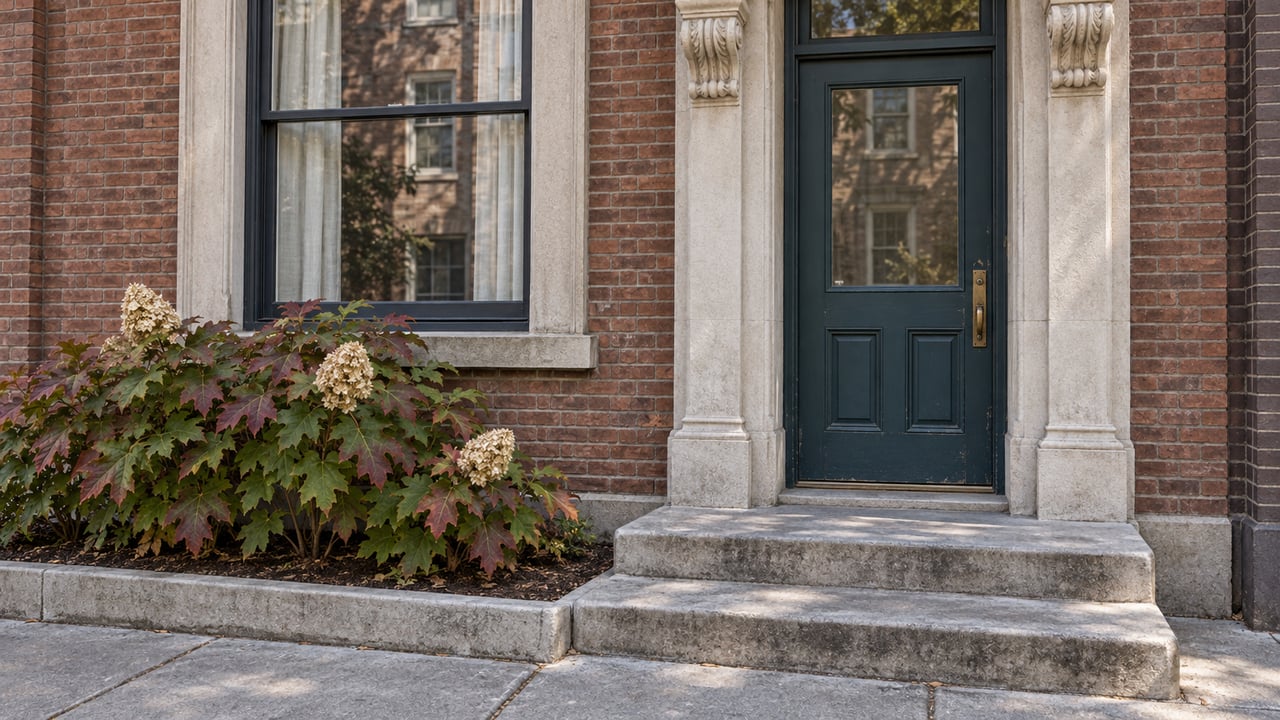
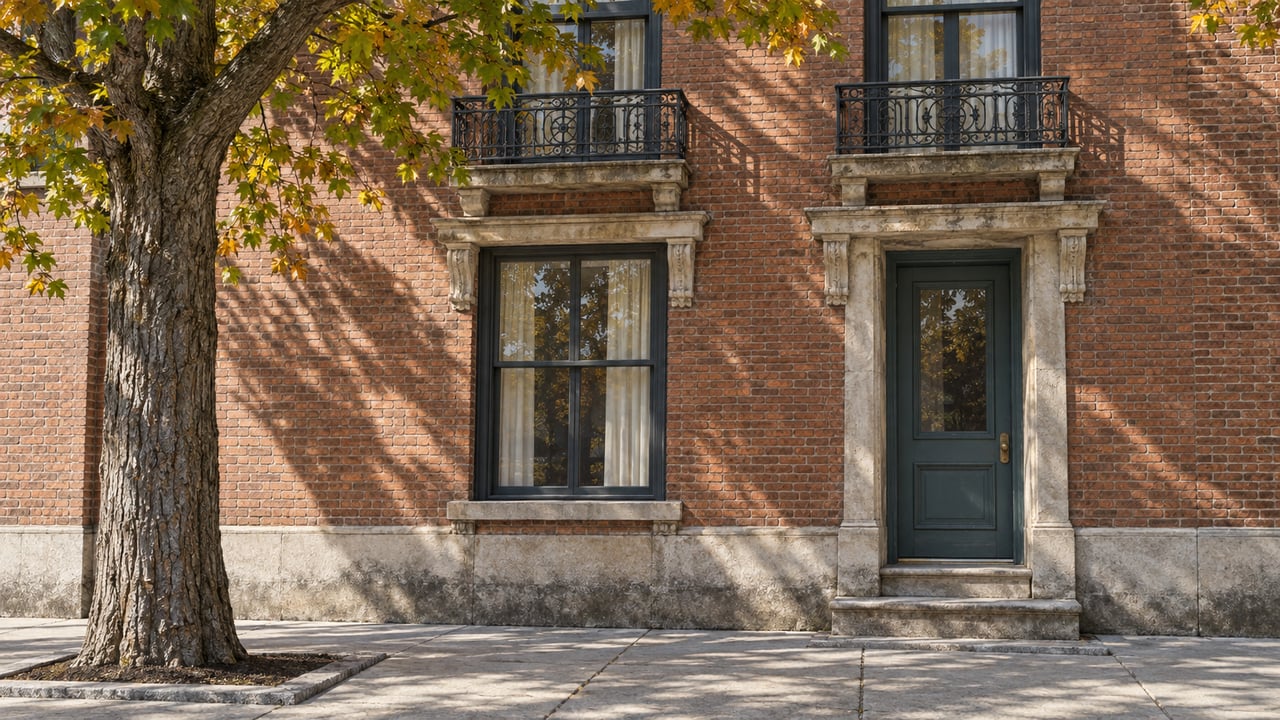
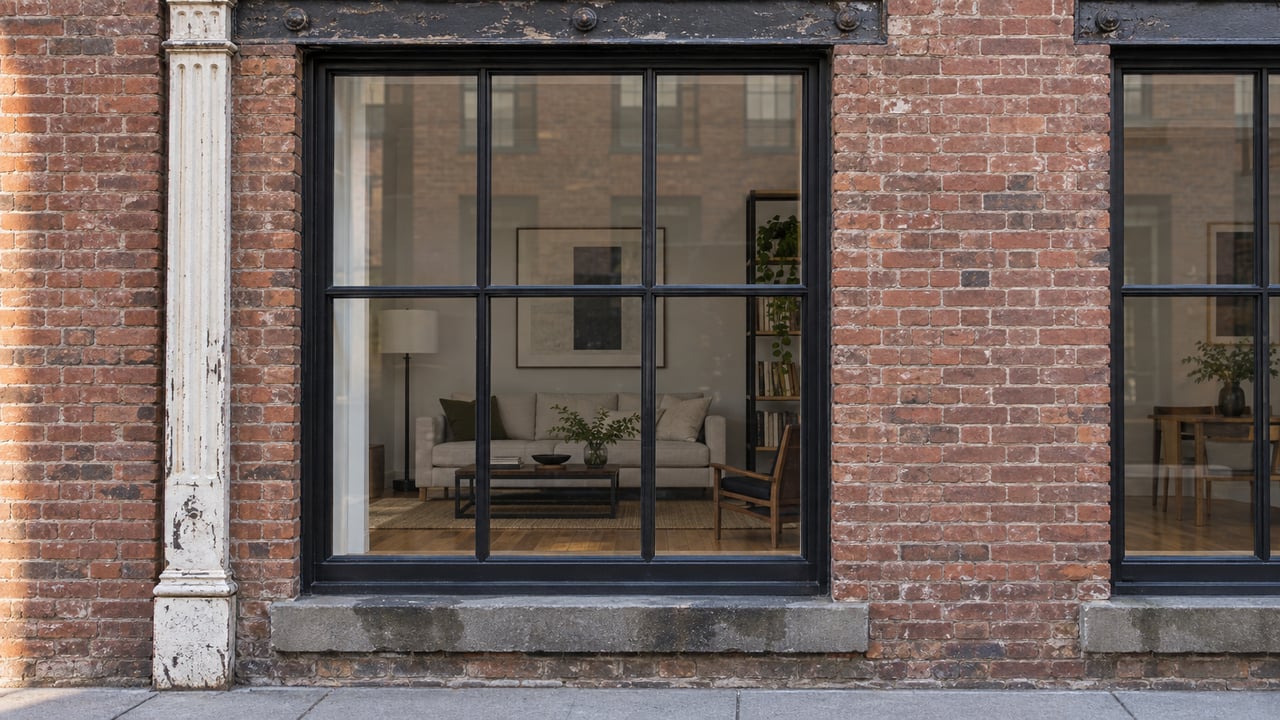
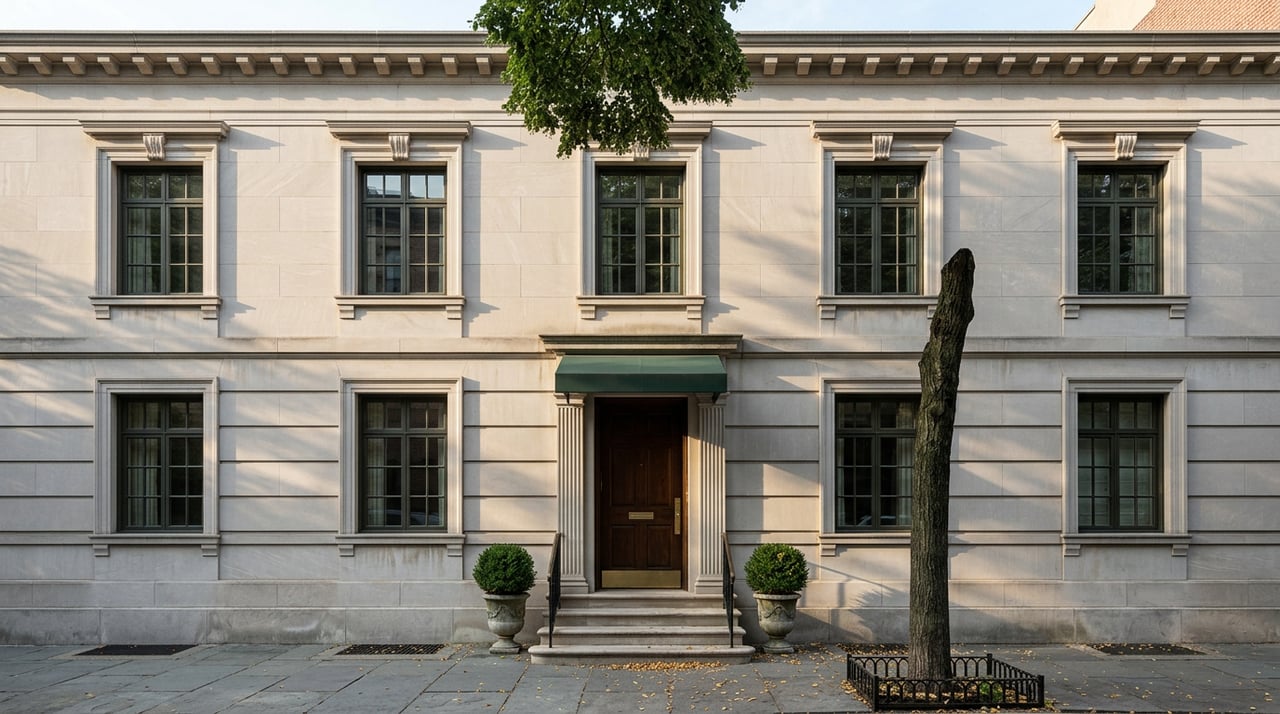
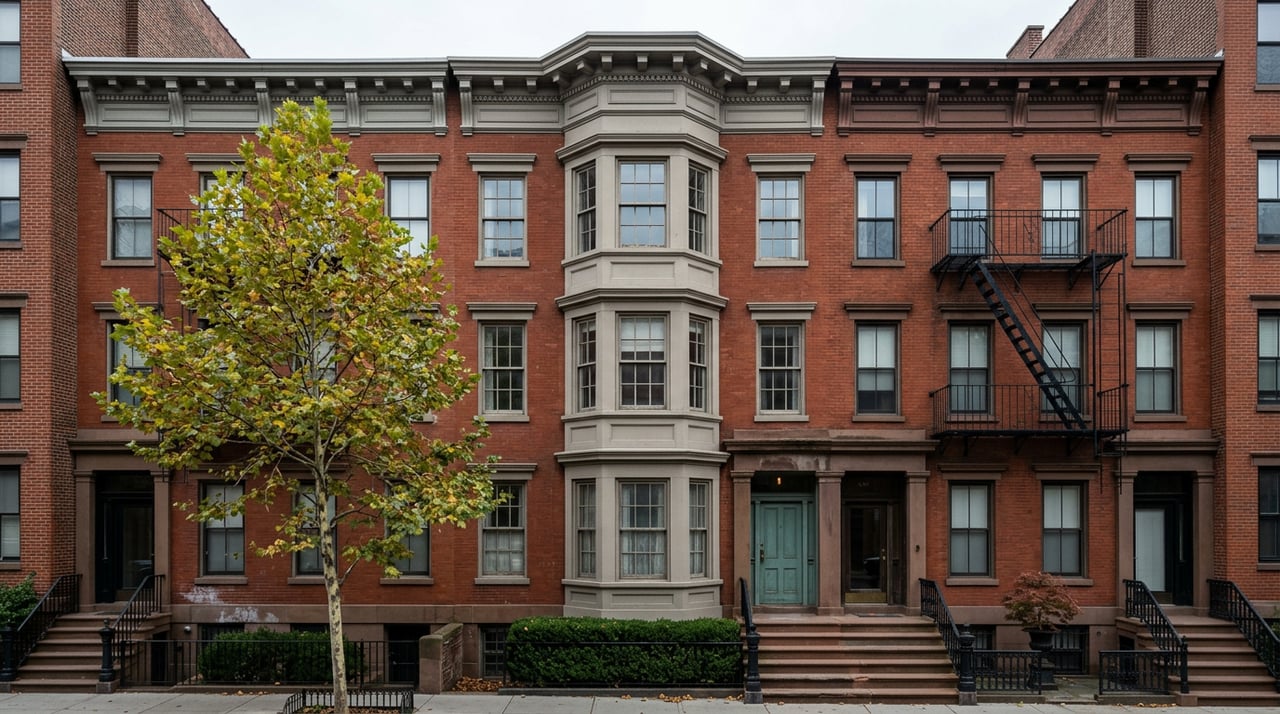
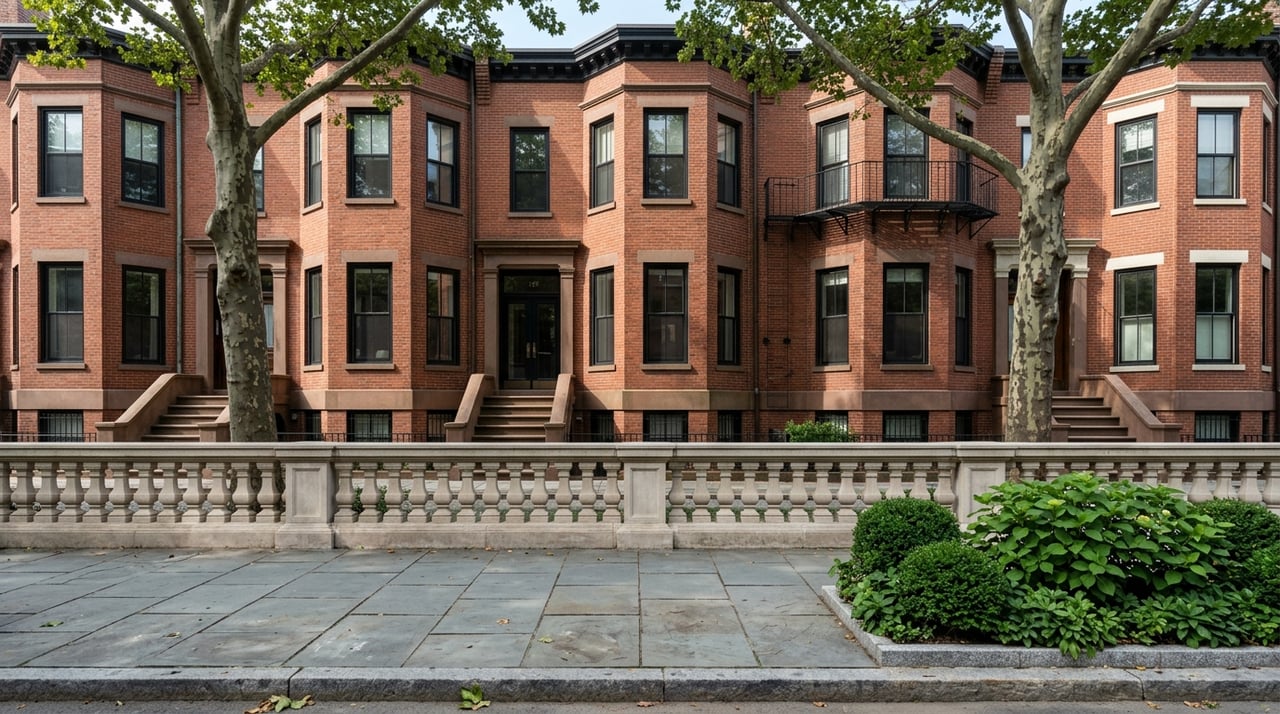
Brooklyn Heights stands apart because its value story is not built on one feature alone. According to the city’s landmark designation materials, it was New York City’s first historic district and remains known for its tree-lined streets, brick and brownstone homes, and strong 19th-century architectural character. That preservation gives the neighborhood a level of continuity that is hard to replicate elsewhere in Brooklyn.
The historic district also covers a broad area, not just a few postcard blocks. The designation report outlines boundaries around Atlantic Avenue, the BQE, Fulton Street, Henry Street, Clark Street, Monroe Place, and nearby interior blocks, which means the neighborhood’s character extends well beyond the waterfront edge. For buyers and owners, that wider preservation envelope helps support a consistent visual identity across much of the area.
At the same time, Brooklyn Heights is not frozen in time. A city transportation report describes a mix of residential, office, retail, and institutional uses, with Atlantic Avenue functioning as a major artery. In other words, you get architectural character and a lived-in neighborhood environment, not just a historic backdrop.
What Waterfront Living Means Here
Brooklyn Heights is best understood as waterfront-adjacent and view-rich, rather than a place defined by private shorefront homes. The Brooklyn Heights Promenade runs along the neighborhood’s western edge above the BQE, offering an elevated public walkway with benches and a small playground from Orange Street to Remsen Street. That setup gives you waterfront ambiance and iconic views as part of everyday neighborhood life.
Below and beside the neighborhood, Brooklyn Bridge Park adds another layer to the experience. The park spans 85 acres and stretches 1.3 miles along the East River shoreline, with lawns, playgrounds, sports areas, promenades, and other public amenities. It is free to enter and open daily from 6 a.m. to 1 a.m., which makes it less of a special destination and more of a regular extension of the neighborhood.
That matters if you are thinking beyond scenery. Waterfront living in Brooklyn Heights is tied to public access, movement, and open space, not just a pretty view from a window. For many buyers, that translates into a more active and flexible lifestyle, with the promenade and park functioning as part of the neighborhood’s daily rhythm.
How the Waterfront Can Support Value
There is a strong general case for why parks, water proximity, and scenic views often support home values. A USDA Forest Service review found sufficient evidence that well-maintained public spaces can increase nearby property values, while poorly maintained ones can have the opposite effect. The same review notes that attractive public spaces, including rivers, beaches, parks, and tree-filled areas, are commonly associated with higher values.
Some of the studies cited in that review found that homes near parks, rivers, and lakes sold for about 14% more than similar homes. A separate peer-reviewed waterfront valuation study found that homeowners placed clear value on waterfront proximity and were willing to pay more for homes near many types of waterfronts. Research on scenic views also tends to show a positive pricing effect for water and open-space views.
Brooklyn Heights benefits from those broad market dynamics, but it also has a local advantage. You are not just buying proximity to water. You are buying access to a preserved neighborhood setting where architecture, scale, and public realm all reinforce one another.
Preservation Adds Scarcity
Historic-district status is a major part of the Brooklyn Heights value equation. The landmark report describes the neighborhood’s generally uniform height, fine architectural quality, and exceptional charm, while also noting that insensitive renovations can depress real estate values. That is an important clue: the neighborhood premium is tied not only to location, but also to the protection of what people come here for.
Because most exterior changes in a historic district require LPC review, preservation is part of ownership here. For some buyers, that means a more careful approval process when planning visible updates. For others, it is a worthwhile tradeoff because those rules help protect the streetscape, building character, and visual continuity that support long-term desirability.
In practical terms, preservation can create scarcity. There are only so many homes in a neighborhood where the architecture, scale, and public-facing appearance are this closely guarded. That scarcity can help explain why Brooklyn Heights continues to attract buyers who value both design integrity and a strong sense of place.
The Tradeoffs Buyers Should Understand
The same qualities that make Brooklyn Heights desirable can also create practical considerations. The waterfront is scenic, but it is not secluded. Brooklyn Bridge Park is a major public amenity, and park materials note that it serves thousands of visitors on seasonal days, which means more foot traffic, recreation activity, and event presence than you would find in a quieter interior enclave.
Historic protection also comes with limits. If you are buying a townhouse, co-op, or condominium in the district and plan to make exterior alterations, you should expect review requirements and a process that may shape your design choices. For buyers who value creative freedom above all else, that may feel restrictive.
There is also a broader market effect worth noting. The USDA review flags displacement and affordability pressure as possible side effects of successful public-space investment. For owners, rising demand can support values. For renters and some future buyers, it can also mean a steeper cost of entry.
What Current Market Data Suggests
Recent data shows that Brooklyn Heights remains an expensive and closely watched neighborhood, but it is not immune to broader market shifts. Realtor’s February 2026 neighborhood overview put the median home price at $1.925 million, median days on market at 82, and the average sale-to-list ratio at 96%. Realtor also classified Brooklyn Heights as a buyer’s market at that time, with median rent at $6,000.
That does not mean demand has disappeared. StreetEasy’s September 2025 market report showed Brooklyn Heights with a median sale price of $1.035 million, and 33% of homes sold above asking. The same report noted that Brooklyn overall remained more competitive than the city as a whole.
By December 2025, StreetEasy reported that Brooklyn inventory had risen year over year, giving buyers more options than during tighter periods. For you, the takeaway is fairly balanced: Brooklyn Heights still commands a premium because of its location and character, but buyers may have more room to negotiate than they did when inventory was more constrained.
What This Means for Buyers
If you are buying in Brooklyn Heights, it helps to think in layers. The waterfront lifestyle is real, but it is delivered through public amenities like the promenade and Brooklyn Bridge Park rather than private shoreline ownership. That can be a major benefit if you want views, open space, and neighborhood access without relying on a gated or isolated setting.
You should also evaluate how much value you place on preservation. In Brooklyn Heights, the protected streetscape is not just aesthetic. It is part of the asset. Buyers who appreciate architectural continuity and neighborhood character may see that as a long-term advantage, especially in a city where many areas change quickly.
Finally, pay attention to micro-location. Some homes lean more into quiet historic block appeal, while others are closer to the park, promenade, or major corridors with more movement and activity. The right fit depends on whether you prioritize serenity, views, immediate waterfront access, or a blend of all three.
What This Means for Owners
If you already own in Brooklyn Heights, the neighborhood’s value story is one of layered resilience. You are not relying on a single amenity to attract buyers. Instead, the area benefits from historic identity, public open space, skyline and water views, and a built environment that is hard to reproduce elsewhere.
That said, presentation still matters. In a neighborhood where architectural quality and context are part of the appeal, thoughtful marketing and careful positioning can help buyers understand not just the home, but the setting that supports its value. This is especially true for distinctive townhouses, view properties, and homes near the promenade or park.
If you are considering a sale or trying to understand how Brooklyn Heights waterfront living influences your property’s long-term appeal, working with an advisor who understands both design context and negotiation strategy can make a meaningful difference. For a tailored conversation about buying or selling in Brooklyn Heights, The Diamonde Team can help you evaluate the neighborhood through both a market and architectural lens.
FAQs
Is Brooklyn Heights a true waterfront neighborhood?
- Brooklyn Heights is best described as waterfront-adjacent, with the Promenade above the shoreline and direct access to Brooklyn Bridge Park rather than private shorefront housing.
Does historic-district status affect Brooklyn Heights property value?
- Historic-district status can support value by protecting streetscape character and scarcity, but it also means many exterior changes require LPC review.
Is Brooklyn Heights waterfront living quiet or active?
- The waterfront is scenic but active, since Brooklyn Bridge Park is a major public destination with recreation areas, programming, and seasonal crowds.
What is the current Brooklyn Heights housing market like?
- Recent data suggests Brooklyn Heights remains expensive and desirable, while offering buyers somewhat more negotiating room than during tighter inventory periods.
Why do parks and views matter for Brooklyn Heights home values?
- Research cited above shows that well-maintained public spaces, waterfront proximity, and scenic views often have a positive effect on nearby property values.