If you love the idea of a Brooklyn brownstone but want daily living that feels easier, quieter, and more connected to outdoor space, garden-level living in Carroll Gardens deserves a closer look. These homes can offer a rare mix of townhouse character and practical comfort, especially in a neighborhood known for its deep front gardens and historic brownstone streets. The key is understanding what makes a true garden-level home work, where the tradeoffs show up, and what due diligence matters most before you buy. Let’s dive in.
Why Carroll Gardens Suits Garden-Level Homes
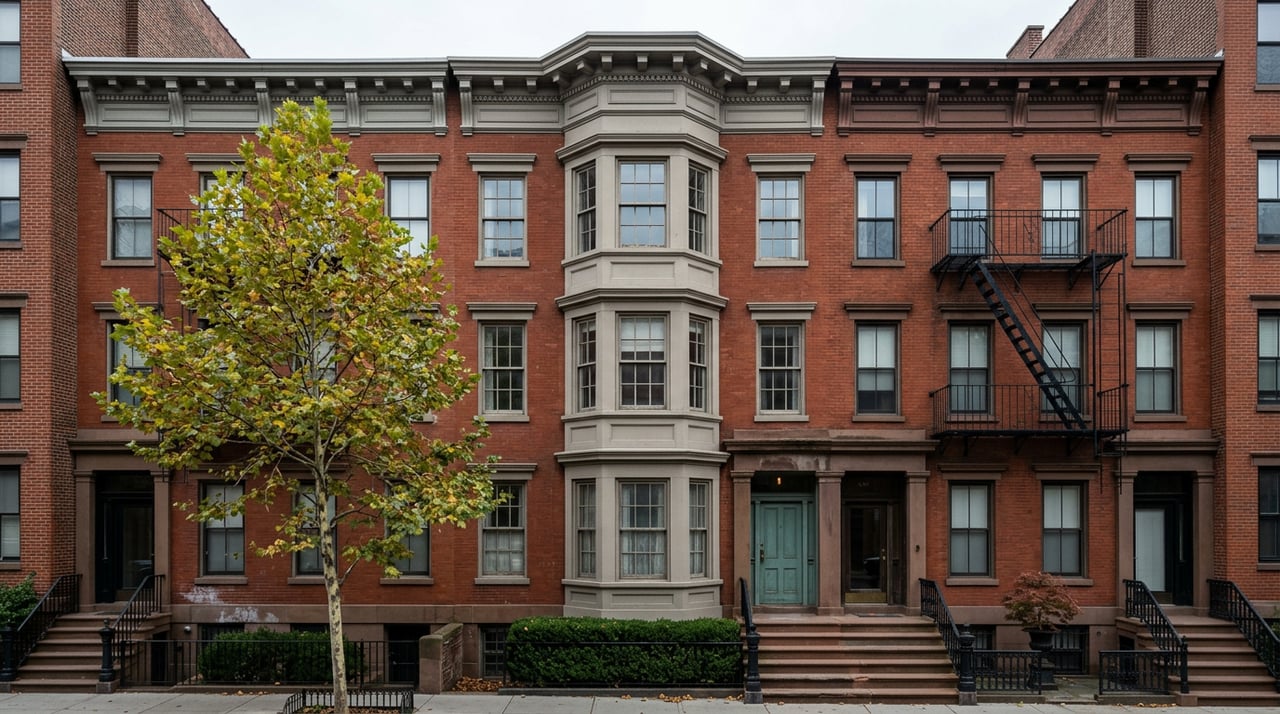
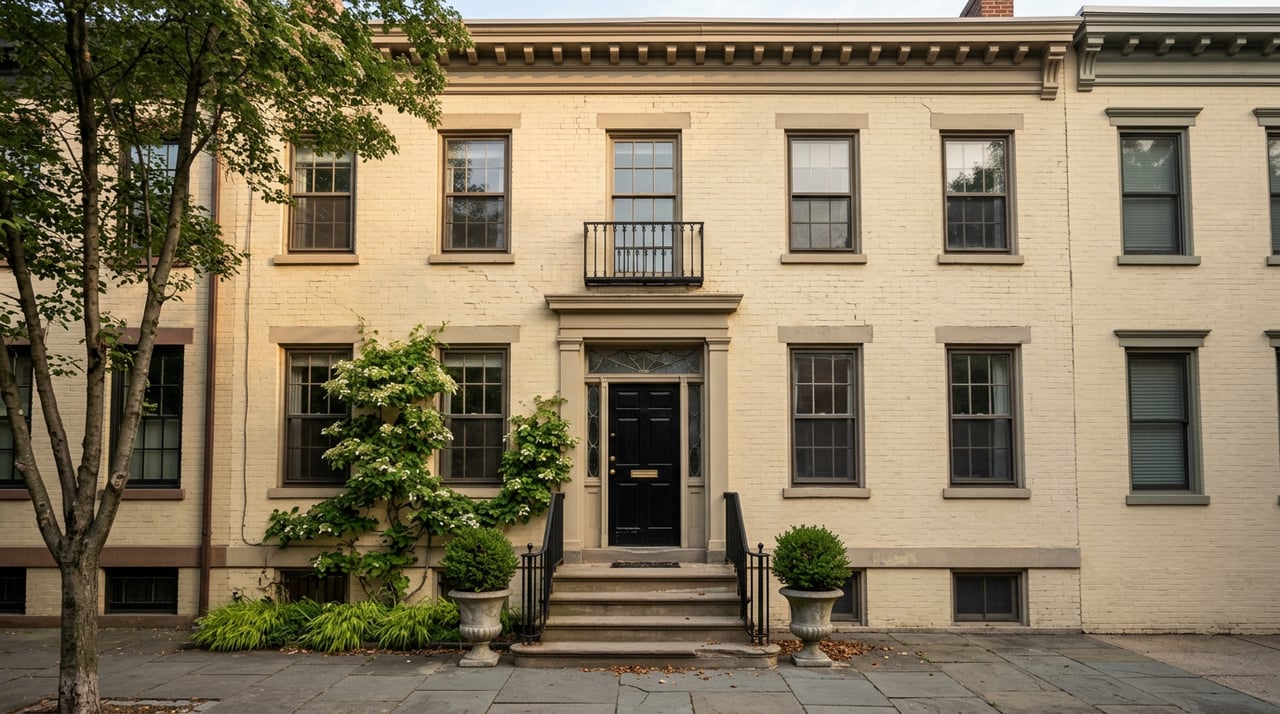
Carroll Gardens is one of Brooklyn’s classic brownstone neighborhoods, and its historic housing stock shapes the experience of living here. The Carroll Gardens Historic District includes more than 160 buildings, most of them two- and three-story brownstones built between 1869 and 1884, with deep-set gardens along streets like President Street and Carroll Place helping define the neighborhood’s character.
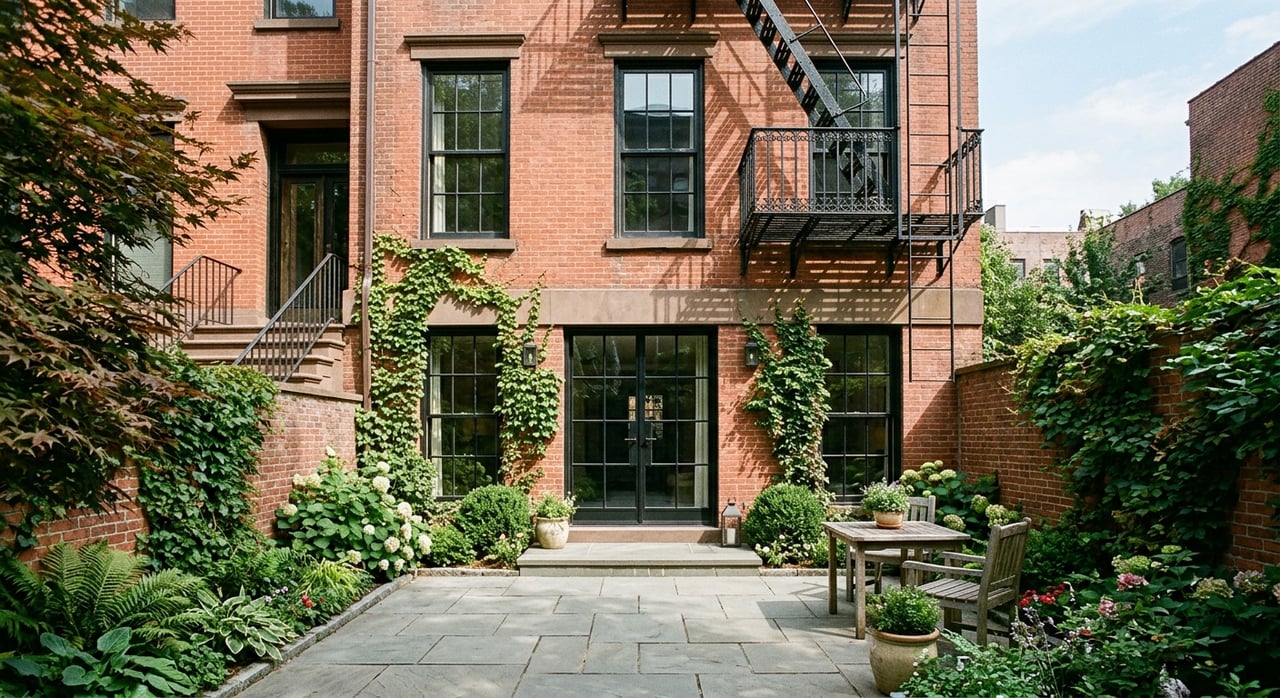
That context matters because garden-level living here is not an afterthought. In many Carroll Gardens brownstones, the relationship between the lower floor and the rear garden is part of the original logic of the house. If you are looking for a home with direct outdoor access, this neighborhood offers a setting where that feature often feels especially natural.
What Garden-Level Usually Means
In Brooklyn brownstone terms, a garden apartment usually means the ground floor of a townhouse with access to the back yard. A garden duplex typically combines the garden level with the parlor floor, creating a layout with more separation between everyday and formal living spaces.
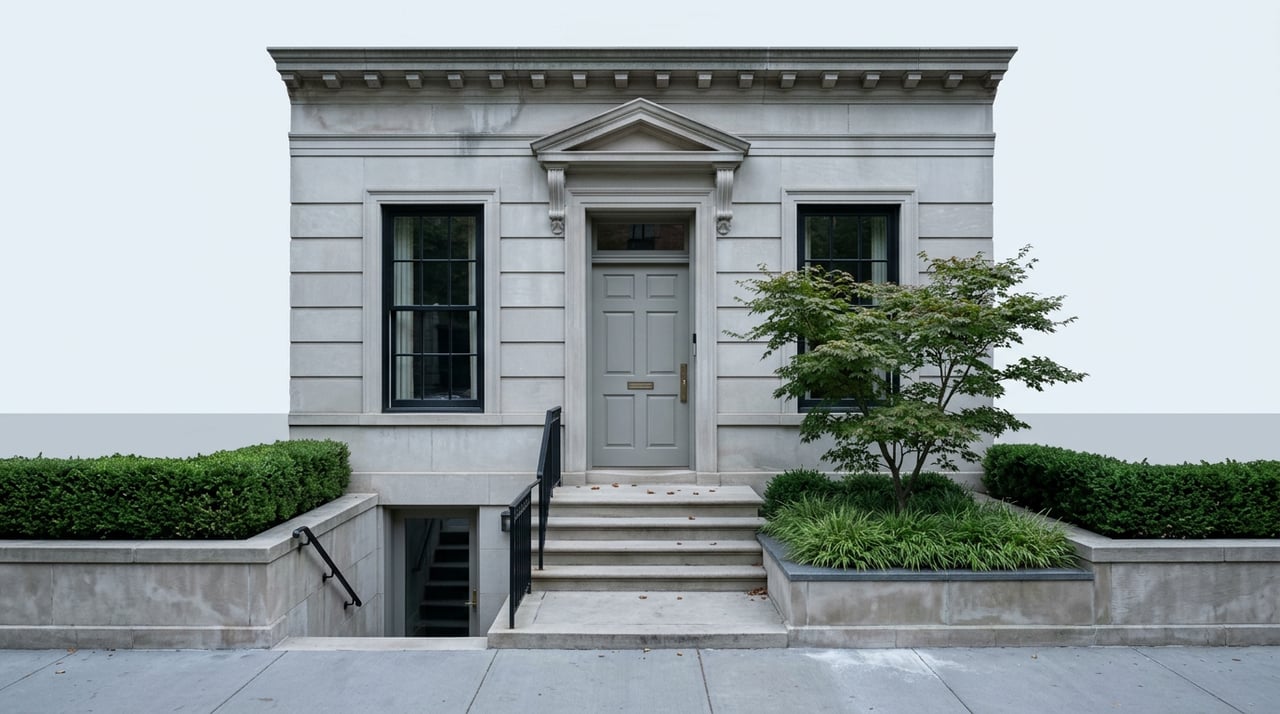
In many classic brownstones, the parlor floor sits a few steps above street level, while the garden level sits a few steps below grade. That lower elevation often means a more relaxed, tucked-in feel, but it can also mean lower ceilings and less natural light than you would get upstairs.
It is also important to separate the phrase garden level from legal building terms like basement or cellar. In New York City, those terms have specific code meanings based on how much of the space sits below grade. A listing may use garden-level language for marketing, but buyers should still confirm the unit’s actual legal status and layout.
The Appeal of Garden-Level Living
For many buyers, the biggest draw is the indoor-outdoor connection. A well-designed garden-level home can open directly onto a rear yard or patio, giving you a more seamless extension of the living space and a quieter retreat from the street.
That setup can be especially appealing if you want easier daily access without climbing multiple flights of stairs. It can also make everyday routines feel more practical, whether you are bringing in groceries, coming and going with a stroller, or simply wanting a more grounded, less vertical style of townhouse living.
Another advantage is flexibility. In some brownstones, the lower level becomes the true center of daily life, with the kitchen and casual living spaces facing the garden while more formal rooms sit above. When that layout is handled well, the home can feel both elegant and highly livable.
Why Buyers Often See Value Here
Garden-level homes often trade at softer pricing than comparable upper-floor units. Research cited in the report notes that first-floor apartments can be priced up to 15 percent lower than similar homes above, and garden apartments may also appreciate more slowly.
That does not make them lesser homes. In fact, strong outdoor access, a thoughtful layout, and comfortable light can narrow that pricing gap. For buyers who care more about usable space and outdoor connection than about being on the highest floor, garden-level living can offer compelling value.
The Tradeoffs to Weigh Carefully
The biggest issue is usually light. Many turn-of-the-century brownstones have windows only at the front and rear, which can leave the middle of the home darker, especially in narrow buildings.
Privacy can also be different at the garden level. Street-facing rooms may sit closer to passersby, and the lower position of the windows can make some buyers feel more exposed. Rear-facing rooms often feel more private and serene, which is one reason rear garden access carries so much weight in these homes.
Ceiling height is another common tradeoff. Garden levels in brownstones are often lower than parlor floors, and some are around 7.5 to 8 feet high. That can still feel comfortable, but proportions, finishes, and layout matter more when the ceiling line is modest.
Moisture is also worth paying attention to in any partly below-grade space. A home that truly lives well year-round should feel dry, bright enough for daily use, and clearly designed as habitable living space rather than space that simply borrows the garden-level label.
What Makes a Strong Garden-Level Layout
The best garden-level homes usually do a few things well at once. They use the rear exposure effectively, connect the main living space directly to the yard, and avoid wasting square footage on dark hallways or awkward interior divisions.
If you are touring a duplex, pay close attention to how the two levels relate to each other. In many appealing configurations, the lower floor supports everyday living, with the kitchen, dining area, or informal lounge opening toward the garden, while the upper level handles more formal rooms or private sleeping areas.
Good design can make a major difference in how the lower floor feels. Lighter finishes, clear sightlines, and stronger glazing at the rear can help the space feel more open and more integrated with the outdoors.
Renovation Potential in a Historic District
Some buyers see garden-level homes as an opportunity to improve light and flow over time. Common strategies can include better rear glazing, more open planning, skylights, and lighter surface materials.
In Carroll Gardens, that kind of work needs to be approached carefully. The neighborhood’s historic district status means exterior changes that affect the front or rear facade generally require review by the Landmarks Preservation Commission, and larger alterations may require formal approval.
That does not mean improvement is off the table. It means renovation decisions should respect the architecture, the district rules, and the legal approvals attached to the property.
Due Diligence Matters More Here
With any partly below-grade home, legality matters as much as design. New York City distinguishes between basements and cellars, and that distinction can affect whether space is lawful for living or sleeping use.
City guidance also warns that illegal basement and cellar apartments can create serious safety issues related to carbon monoxide, light, ventilation, and emergency egress. If a listing presents a lower-level room as a bedroom or full-time living space, you should not assume that use is legal without supporting documentation.
This is where paperwork becomes central to the purchase decision. The certificate of occupancy, floor plan, permit history, and any records tied to alterations can help clarify whether the home functions the way it is being marketed.
A Smart Carroll Gardens Buyer Checklist
When you tour a garden-level home in Carroll Gardens, focus on both feel and facts.
- Confirm how much of the unit sits below grade.
- Ask which rooms face the street and which face the rear yard.
- Look for window wells, skylights, or strong rear glazing.
- Verify clear ceiling height in the main living areas.
- Review the certificate of occupancy and permit history.
- Ask whether any exterior changes on the landmarked building received LPC approval.
- Pay attention to whether the lower level feels like true living space or more like a basement in practice.
Who Garden-Level Living Fits Best
Garden-level living can be an excellent fit if you value outdoor access, easier in-and-out movement, and a more informal daily rhythm. It may also appeal to buyers who appreciate the character of a brownstone but want a layout that feels grounded and practical rather than heavily stair-dependent.
It may be less ideal if your top priority is maximum natural light, higher ceilings, or a more elevated sense of privacy at the front of the home. In Carroll Gardens, the right choice often comes down to how well a specific property balances charm, light, legality, and layout.
The strongest examples tend to combine real rear-garden access, comfortable year-round livability, and a floor plan that takes full advantage of the brownstone form. Those are the homes that can feel both architecturally authentic and genuinely easy to live in.
If you are considering a brownstone apartment or townhouse in Carroll Gardens, having a team that understands layout, character, and the details behind the listing can make your search much sharper. For a tailored conversation about buying or evaluating garden-level property in Brooklyn, The Diamonde Team can help you approach the process with clarity and confidence.
FAQs
What is a garden-level apartment in a Carroll Gardens brownstone?
- A garden-level apartment is usually the ground floor of a townhouse, often with direct access to the rear yard, though buyers should still confirm how much of the space sits below grade.
What is the difference between a garden level and a basement in New York City?
- Garden level is usually a marketing term, while basement is a legal building term defined by how much of the space is below the grade plane.
Are Carroll Gardens garden apartments darker than upper-floor homes?
- They can be, because many brownstones have windows only at the front and rear, which often leaves the middle of the home with less natural light.
Do garden-level brownstone homes in Carroll Gardens usually cost less?
- They often trade at softer pricing than similar upper-floor units, although outdoor space and strong design can narrow that gap.
What should buyers verify before purchasing a garden-level home in Carroll Gardens?
- Buyers should review the certificate of occupancy, floor plan, permit history, ceiling height, below-grade conditions, and any approvals for exterior changes on landmarked buildings.