Choosing between a Brooklyn brownstone and a new development condo is not just about square footage or finishes. It is about how you want to live, what kind of upkeep you can manage, and which tradeoffs feel worth it to you. If you are weighing classic charm against modern convenience, this guide will help you compare both paths in practical Brooklyn terms. Let’s dive in.
Brownstone Living in Brooklyn
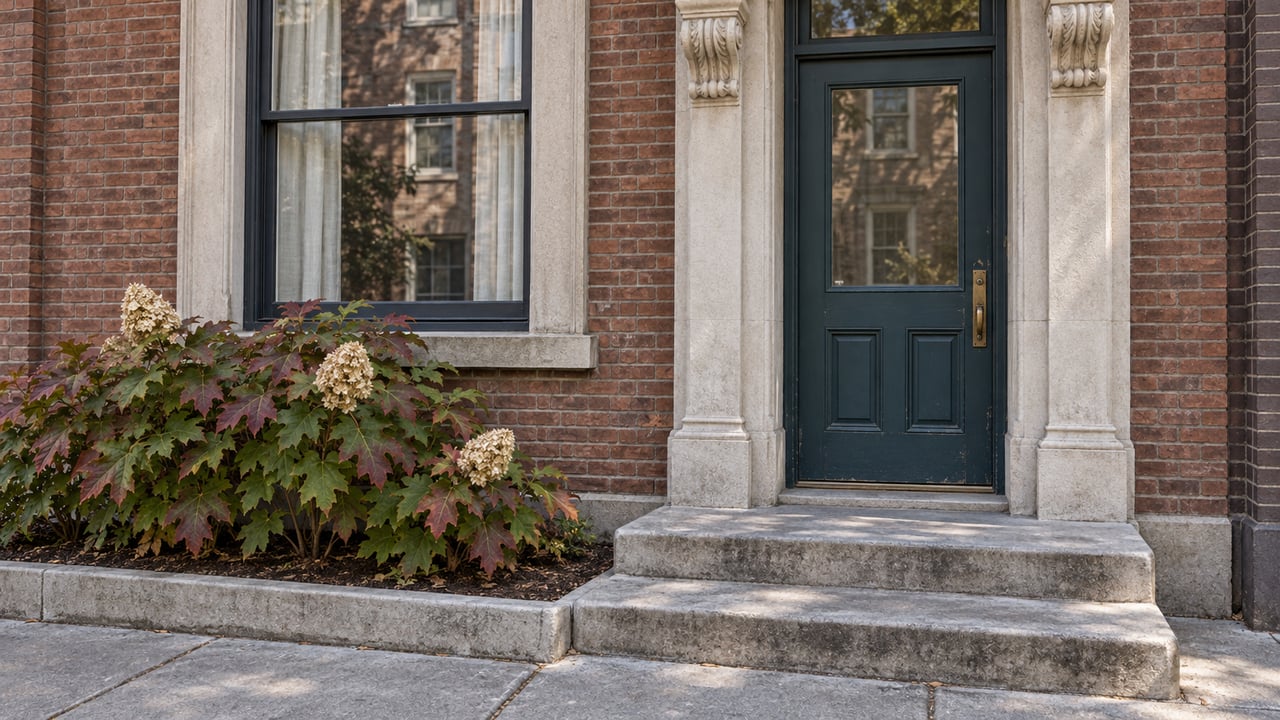
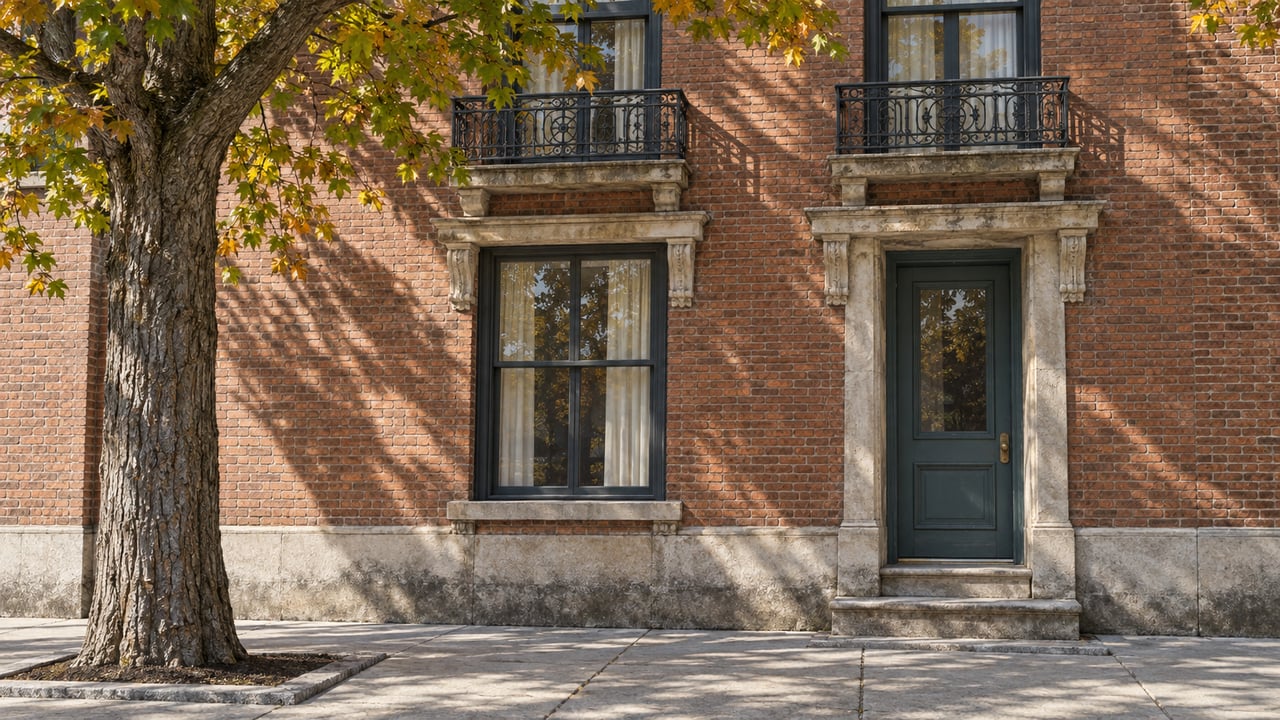
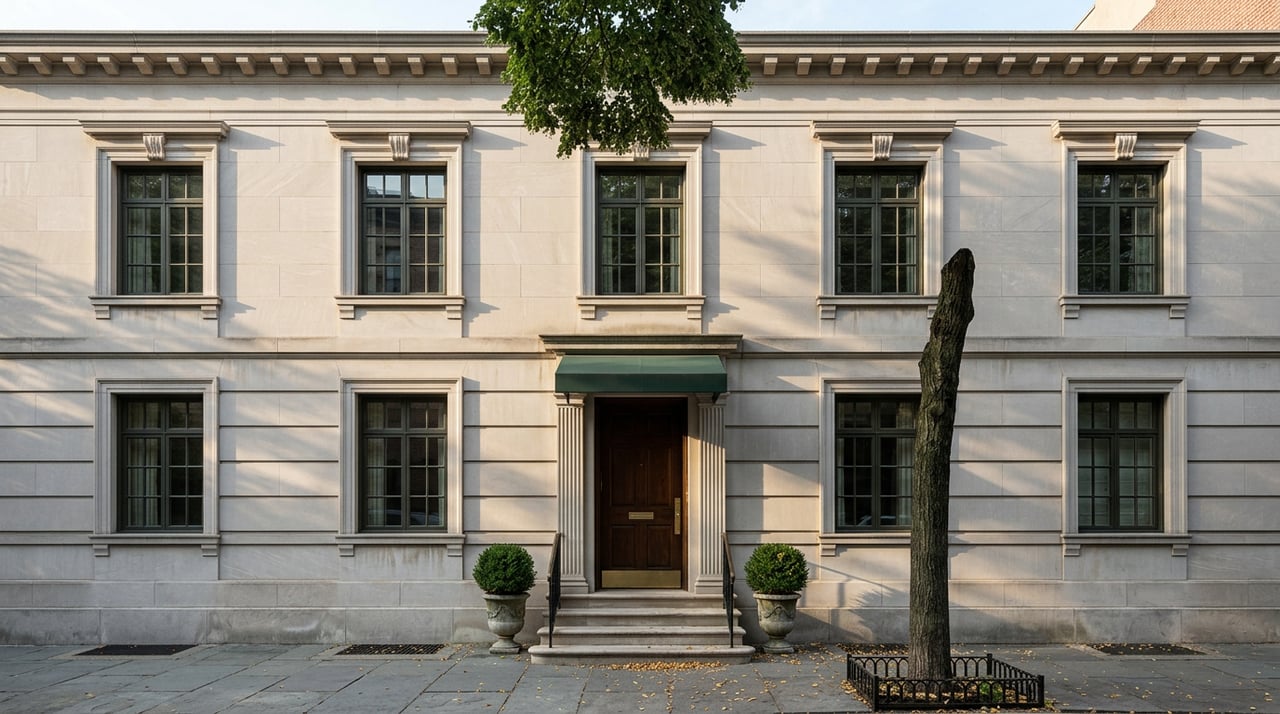
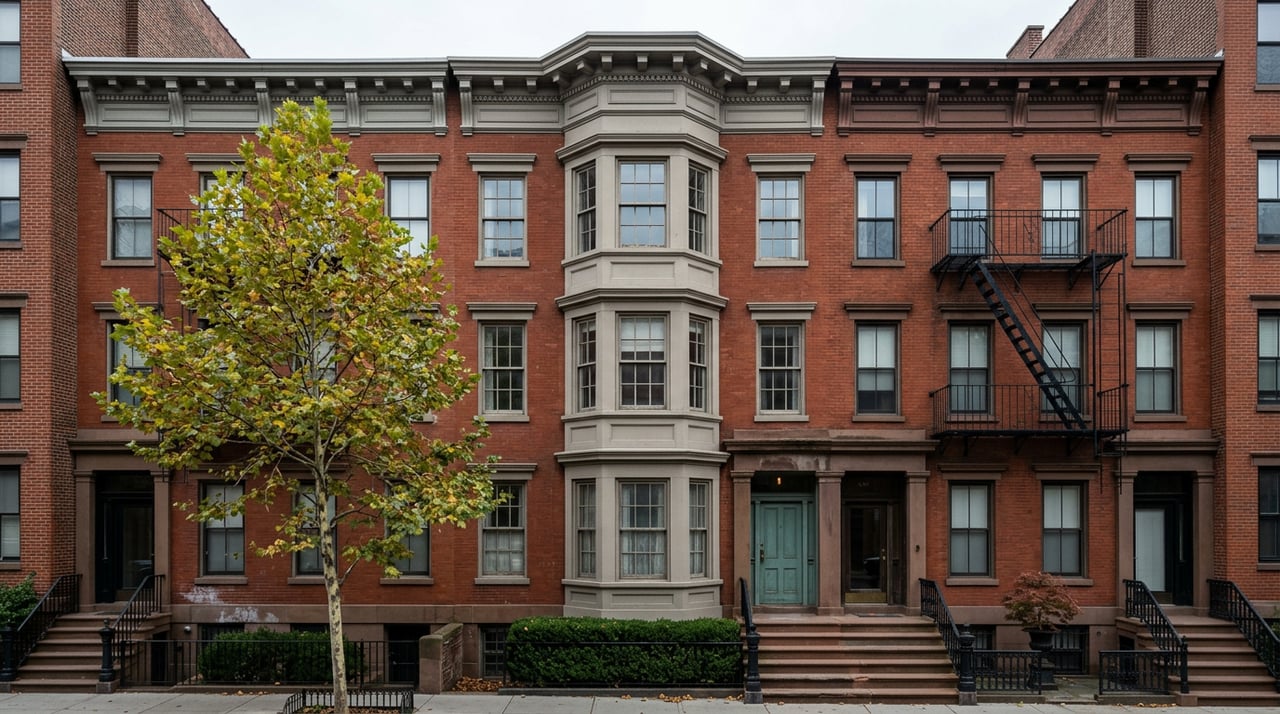
For many buyers, brownstone living represents the Brooklyn image they have in mind from the start. In neighborhoods like Brooklyn Heights, Carroll Gardens, and Cobble Hill, the housing stock is defined by low-rise historic homes, stoops, brick and brownstone facades, and a strong sense of architectural continuity.
Brooklyn Heights has long been recognized for its stately brick and brownstone houses on tree-lined streets. The Landmarks Preservation Commission has described the district as an area of low buildings where only a small share of properties are non-conforming. That consistency is part of what gives the neighborhood its enduring visual appeal.
Carroll Gardens offers a different but equally recognizable brownstone setting. Its rows of two- and three-story homes are set behind unusually deep front yards, with setbacks that were planned at roughly 33.5 feet and often range from 25 to 39 feet. In day-to-day life, that translates into a streetscape that feels more open than many buyers expect in brownstone Brooklyn.
Cobble Hill is also known for tree-lined streets, architecturally notable homes, and relatively uniform low-rise scale. If you are drawn to original details, private outdoor space, and the rhythm of townhouse blocks, these neighborhoods often deliver the kind of housing experience that newer product cannot fully replicate.
What Brownstone Ownership Feels Like
Brownstones often appeal to buyers who value privacy, character, and a stronger sense of control over their home. Instead of sharing walls and amenities in a larger building, you may own a full townhouse or rowhouse with distinct interior space, a garden, and a more independent ownership experience.
That independence can be a major benefit, but it also comes with responsibility. Repairs, upgrades, and exterior work tend to require more planning, especially in landmark districts. If you love architectural detail and want a home with provenance, that effort may feel worthwhile.
Landmark Rules Matter
In historic districts, exterior changes are often subject to Landmarks Preservation Commission review before work begins. The LPC states that every designated structure in a historic district follows the same review procedures, and most visible exterior work needs approval.
That does not mean a brownstone is frozen in time. The LPC also notes that it works with owners on appropriate changes, and that ordinary exterior repairs like replacing broken window glass or repainting to match the existing color do not require approval. Still, if you are considering changes to windows, stoops, facades, or rooftop additions, you should expect a more involved process.
New Development Living in Brooklyn
New development in Brooklyn is concentrated in a different set of neighborhoods and offers a different ownership experience. Active new-development inventory has been especially visible in Gowanus, DUMBO, Williamsburg, Greenpoint, and Downtown Brooklyn.
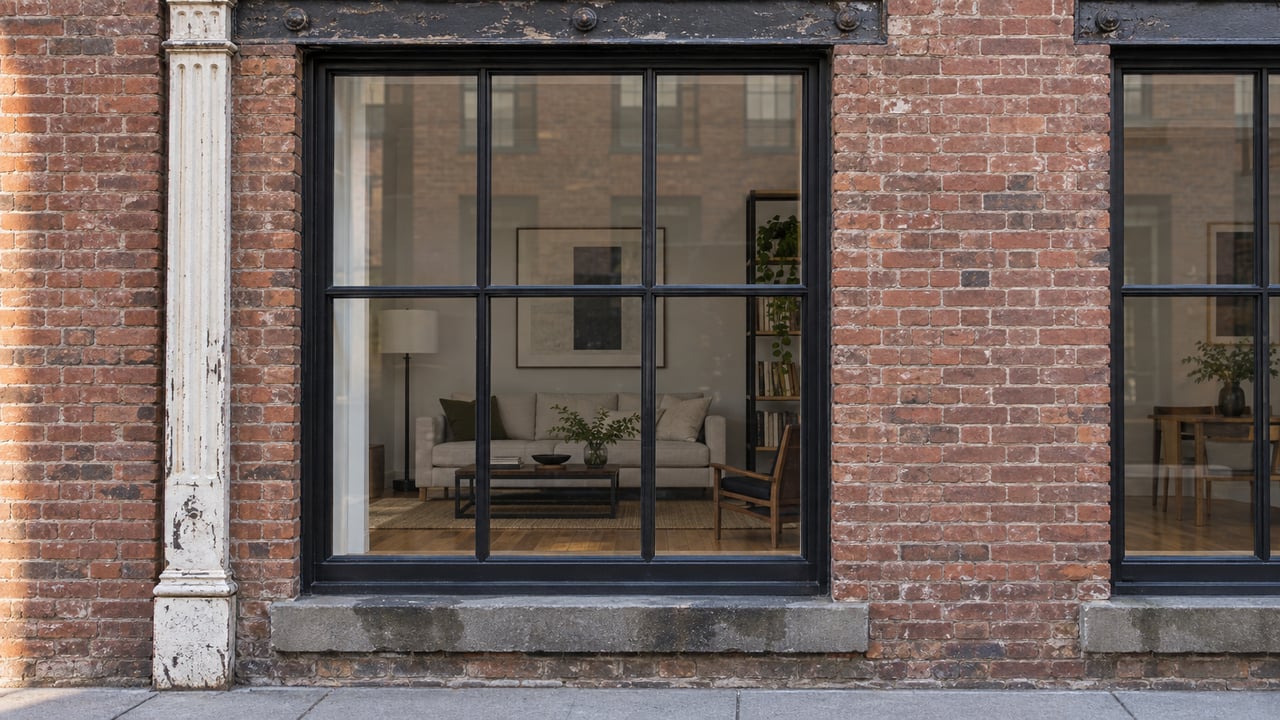
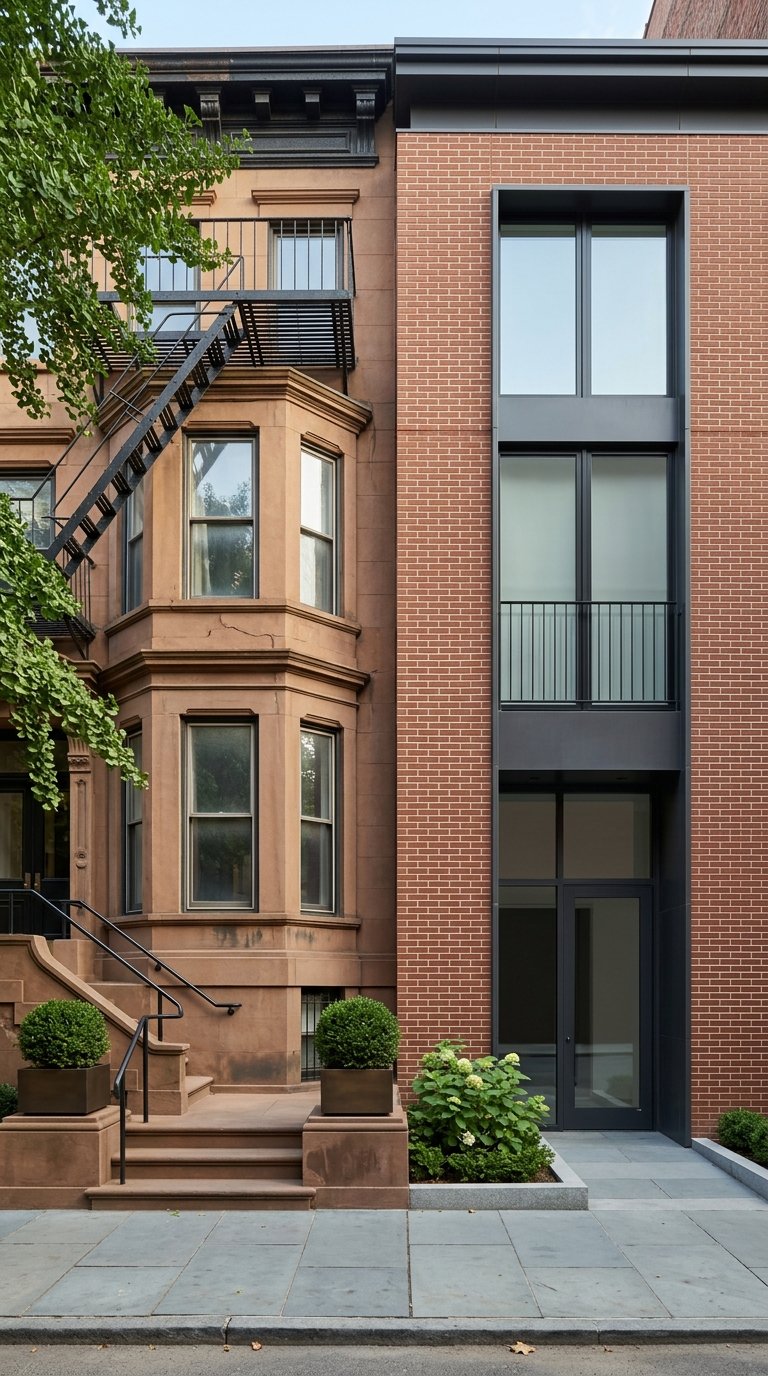
For many buyers, the draw is simple. Newer condos often offer a more turnkey lifestyle, more standardized finishes, and newer building systems. If you prefer to move in with fewer immediate repair concerns, a new development may feel more straightforward.
These homes can also fit buyers who want building-level management rather than the day-to-day demands of maintaining a townhouse. That can create a more predictable ownership experience, even if it comes with shared costs and less direct control over the building as a whole.
What New Development Ownership Feels Like
A new development condo often suits buyers who prioritize convenience and contemporary living. You may find cleaner mechanical systems, modern layouts, and a more lock-and-leave style of ownership than you would in a historic home.
That said, convenience is not the same as simplicity in every respect. You still need to understand common charges, taxes, and any project-specific tax treatment. In Brooklyn, the smartest new-development buyers look beyond finishes and ask detailed questions about monthly carrying costs and building-specific benefits.
Comparing Carrying Costs and Upkeep
One of the biggest differences between a brownstone and a new development condo is how ownership costs show up over time. With a brownstone, you may have more direct repair responsibility. With a condo, you usually trade that for recurring common charges and building-wide rules.
StreetEasy notes that New York City buyers should budget for maintenance fees in co-ops or common charges in condos in addition to property taxes, utilities, down payment funds, and closing costs. That makes a new development purchase potentially more predictable month to month, but not necessarily less expensive overall.
Brownstone ownership can be less standardized. Costs may arrive in larger, less regular intervals depending on the condition of the facade, roof, windows, masonry, stoop, or mechanical systems. If you are comfortable planning for those projects, the tradeoff may be worth it for the space and architectural quality you gain.
Tax Benefits Are Not Automatic
Many buyers assume new development comes with built-in tax advantages, but in New York City that is not guaranteed. New-construction tax treatment is now project-specific under the 485-x Affordable Neighborhoods for New Yorkers program, which applies to qualifying new multiple dwellings and eligible conversions. The city notes that the deepest benefit applies to projects that start on or before June 30, 2026.
The NYC condo abatement is also not automatic. It is available only if the unit is your primary residence and the building files the annual application. The filing deadline is February 15, and units purchased after January 5 generally qualify in the next tax year.
The practical takeaway is clear: if you are considering new development, verify tax treatment building by building. Assumptions can lead to surprises, especially when comparing one condo project to another.
Market Context in Brooklyn
Your decision is personal, but market context still matters. Brooklyn remained competitive in 2025, with homes sold in August receiving a median of 99.7 percent of their last asking price and a borough-wide median asking price of $1.1 million.
Recent sales data also highlights the pricing gap between housing types. In Douglas Elliman’s Q4 2025 Brooklyn report, the median sales price for one- to three-family homes was $1.18 million, while new-development condos posted a median sales price of $1.2375 million. New-development condo sales represented 29.7 percent of all Brooklyn condo sales, and their average days on market were 67 compared with 73 for one- to three-family homes.
In prime brownstone areas, the premium can be much higher. A 2025 townhouse market report grouping Boerum Hill, Brooklyn Heights, Carroll Gardens, Cobble Hill, and DUMBO found an average price of $4.93 million and a median price of $4.29 million for one- to three-family homes. That does not mean every brownstone will outperform every condo, but it does show how strongly the market values scarce historic housing in northwest Brooklyn.
Character Versus Convenience
At the highest level, the choice often comes down to character versus convenience. A brownstone may give you more privacy, more architectural richness, and more ownership control. A new development may give you a smoother move-in, newer systems, and a more standardized monthly ownership structure.
Neither option is inherently better. The right choice depends on your lifestyle, your tolerance for maintenance, and what kind of home experience you want day to day. Buyers who care deeply about stoops, facades, gardens, and period detail often find themselves pulled toward landmarked neighborhoods. Buyers who want a more turnkey path often focus on Brooklyn’s active new-development corridors.
Brownstone May Fit You If
- You value historic architecture and original detail
- You want more privacy and possibly private outdoor space
- You are comfortable planning repairs and capital improvements
- You understand that exterior work may require LPC review in landmark districts
- You see long-term appeal in limited historic supply
New Development May Fit You If
- You want a more turnkey ownership experience
- You prefer newer building systems and modern layouts
- You are comfortable with common charges and shared building governance
- You want to evaluate building management and tax status up front
- You prioritize predictability over full property control
How to Make the Right Brooklyn Choice
The smartest way to approach this decision is to compare homes not just by style, but by ownership reality. Look at the monthly costs, the likely upkeep, the approval process for future changes, and how each property aligns with the way you actually live.
In Brooklyn, design and lifestyle often shape value just as much as raw numbers do. A beautifully scaled brownstone on a protected block offers one kind of long-term appeal. A well-positioned new development in Gowanus, DUMBO, Williamsburg, Greenpoint, or Downtown Brooklyn offers another.
If you want to buy with confidence, it helps to work with an advisor who understands both architectural nuance and the hard details behind the deal. For a private consultation on Brooklyn brownstones, condos, and how to evaluate the right fit for your goals, connect with The Diamonde Team.
FAQs
What is the main difference between brownstone and new development living in Brooklyn?
- Brownstone living usually offers more architectural character, privacy, and ownership control, while new development living often offers newer systems, a more turnkey experience, and shared building management.
Which Brooklyn neighborhoods are known for brownstone living?
- Brooklyn Heights, Carroll Gardens, and Cobble Hill are classic brownstone neighborhoods with historic housing stock and strong architectural continuity.
Which Brooklyn neighborhoods have more new development inventory?
- Gowanus, DUMBO, Williamsburg, Greenpoint, and Downtown Brooklyn have been key areas for active new-development inventory.
Do landmark rules affect brownstone owners in Brooklyn historic districts?
- Yes. Most exterior changes to designated structures in historic districts require Landmarks Preservation Commission approval before work begins, although some ordinary repairs do not.
Are tax benefits guaranteed for Brooklyn new development condos?
- No. Tax treatment is project-specific, and benefits like the NYC condo abatement depend on eligibility rules such as primary residence use and annual building filing.
Is a brownstone or a new development a better long-term investment in Brooklyn?
- It depends on the property, location, and your goals, but limited historic supply in protected brownstone neighborhoods and strong pricing in those areas can support long-term desirability, while well-located new developments can appeal to buyers seeking convenience and modern living.