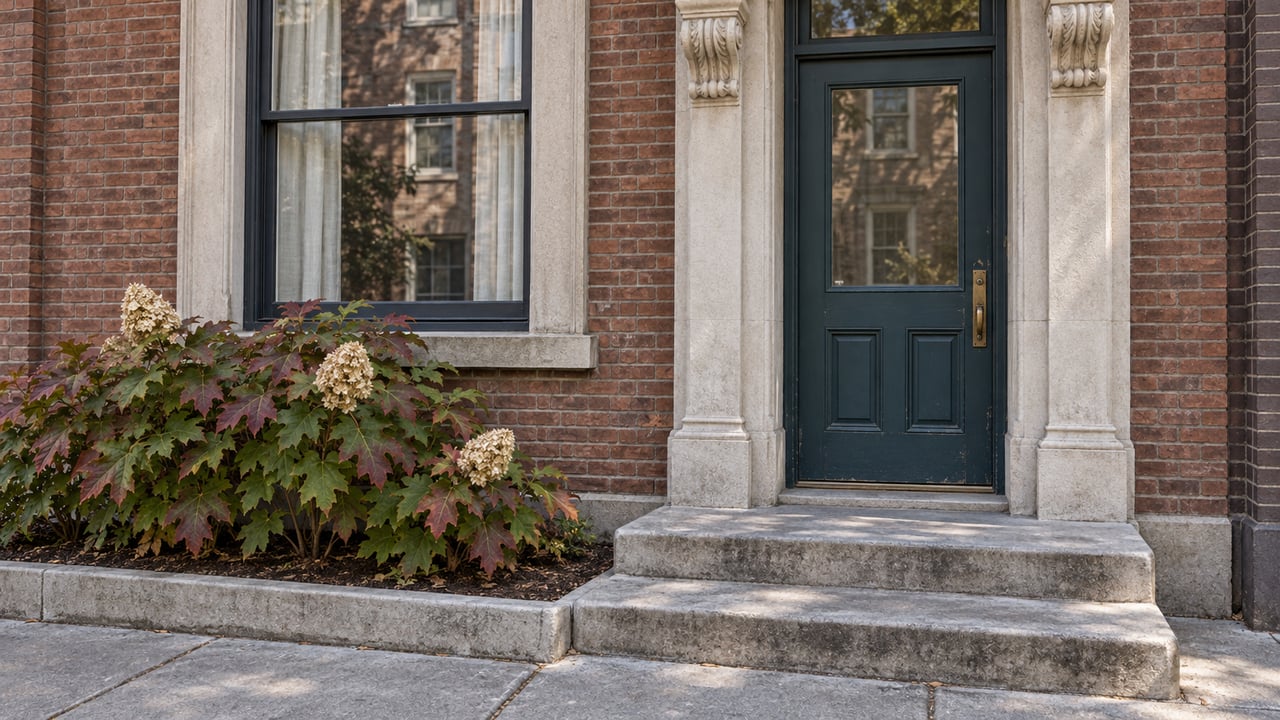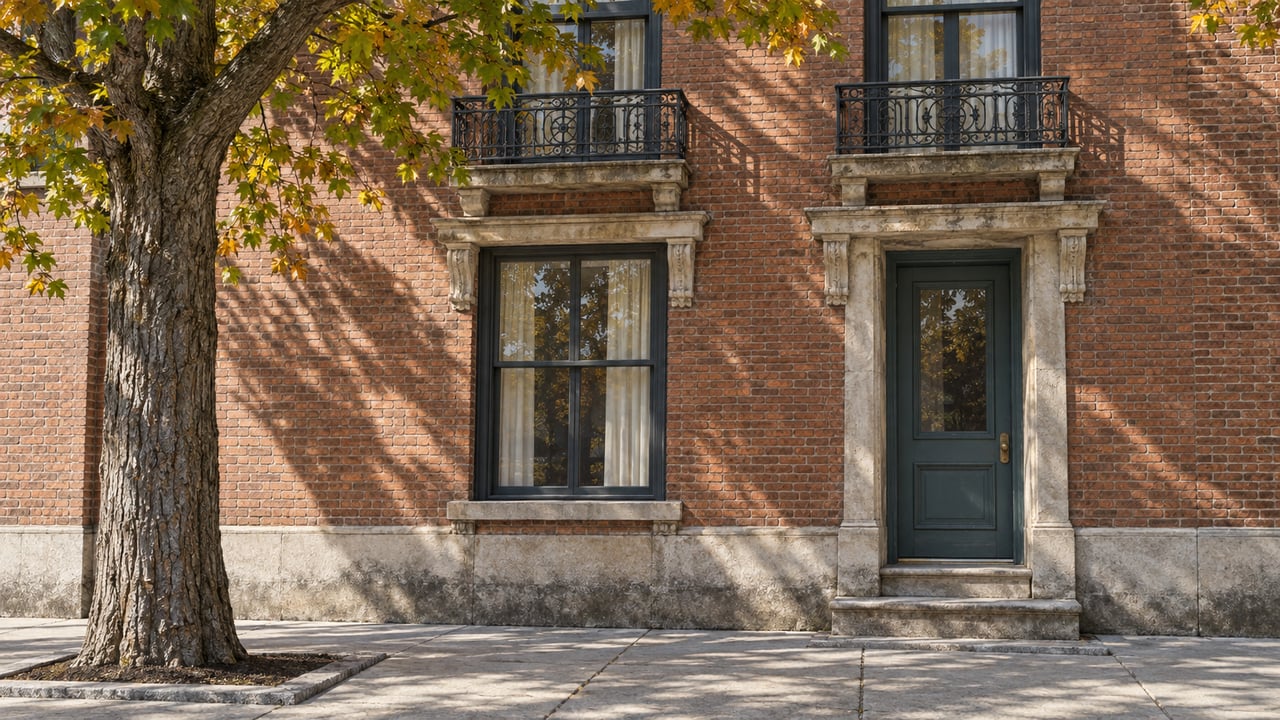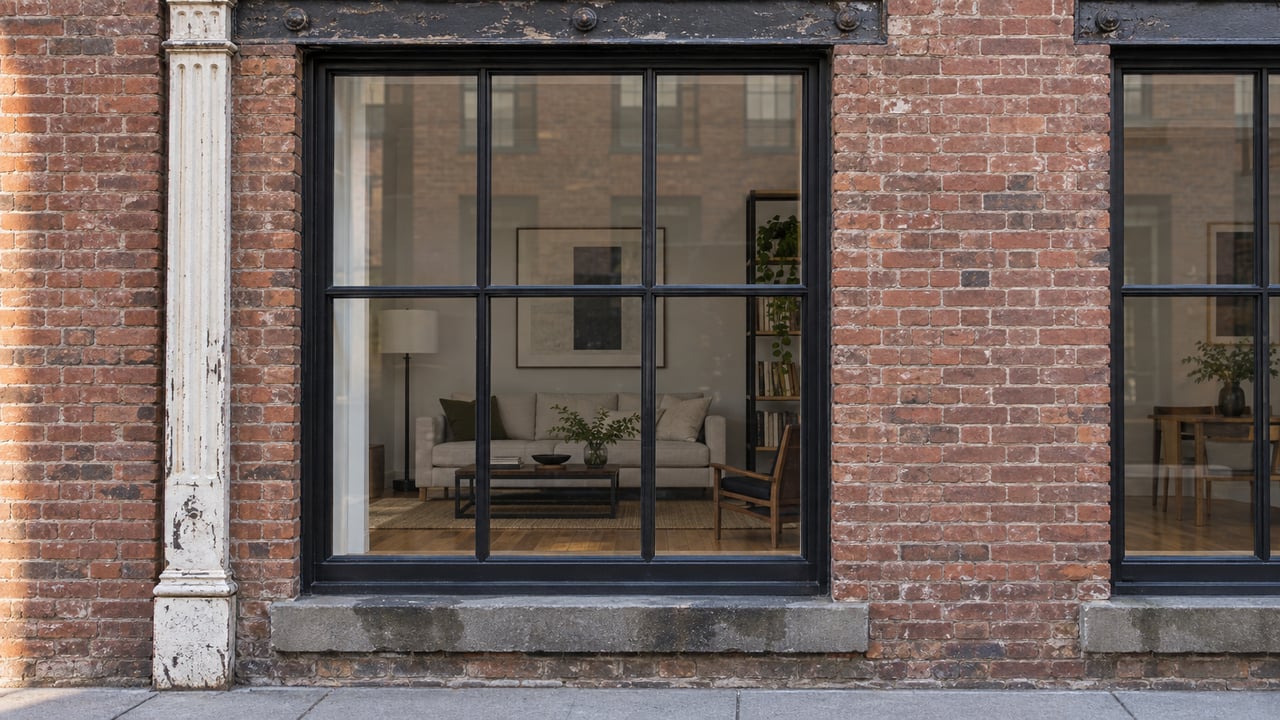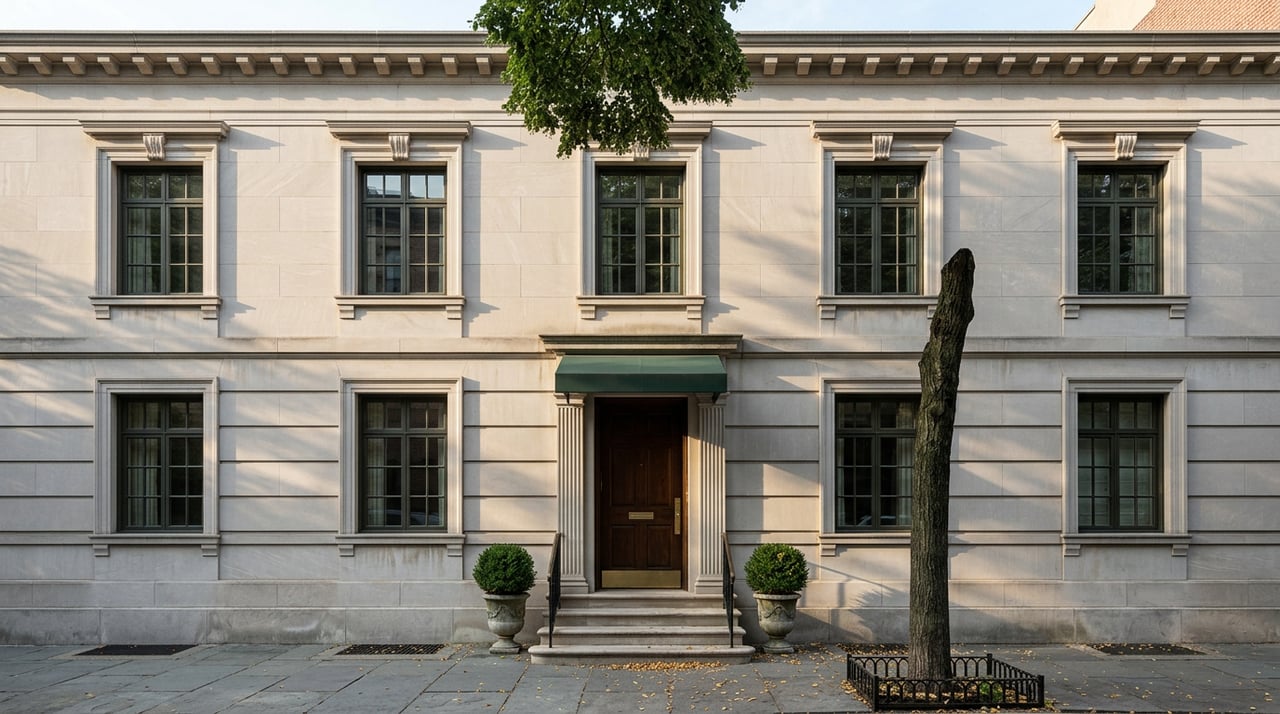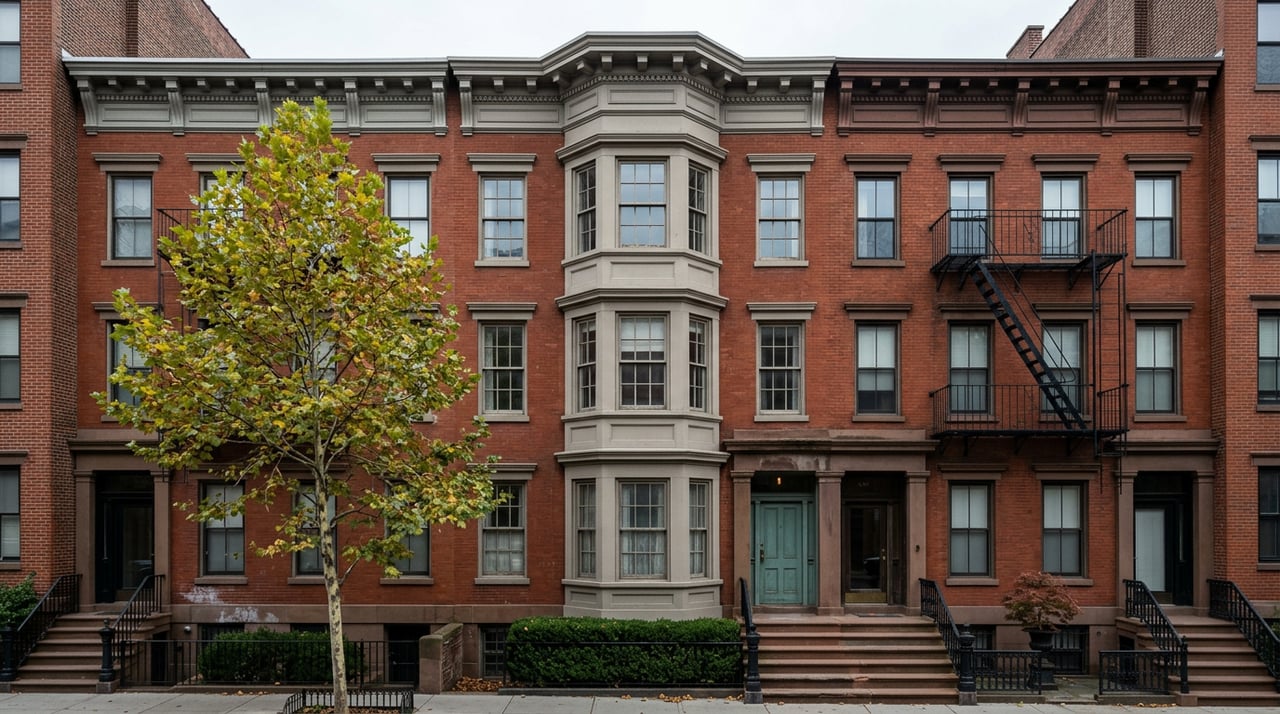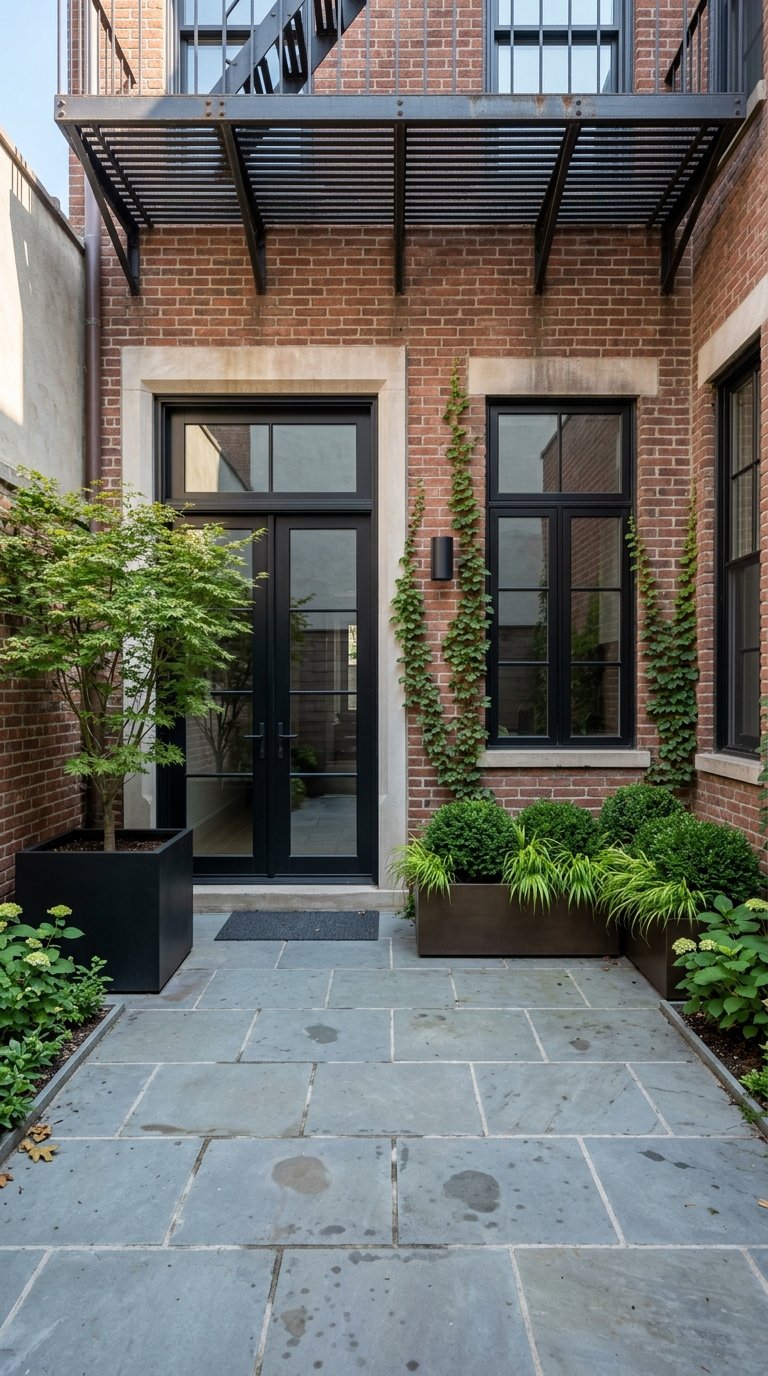
Choosing between a townhouse and a boutique condo in Greenwich Village can feel simple at first glance, until you realize the façade does not tell the whole story. If you are weighing privacy, upkeep, flexibility, and the realities of owning in one of Manhattan’s most preservation-sensitive neighborhoods, the right answer depends on how you want to live day to day. This guide will help you compare both options through a Greenwich Village lens so you can make a more confident decision. Let’s dive in.
Greenwich Village makes this choice unique
Greenwich Village is not a market where inventory is endless or interchangeable. StreetEasy currently shows a median sale price of about $1.4 million, with 70 condo listings versus 11 house listings, which means townhouse opportunities are far less common than condo options.
That supply gap matters because it shapes both your search and your negotiating posture. If you want a townhouse, you may need to act with more patience and precision. If you are considering a boutique condo, you will usually have more active listings to compare on layout, building rules, and monthly costs.
The neighborhood also has a distinct physical character. StreetEasy describes Greenwich Village housing stock as older, with many walk-ups and no high-rises, which creates a very different ownership experience than newer, amenity-heavy condo markets elsewhere in Manhattan.
Townhouse vs condo: start with legal structure
One of the biggest mistakes buyers make is assuming a building’s appearance tells them how it is owned. In New York, a townhouse-style home can be held in condominium form, and a townhouse can also be owned fee simple in an association.
That means you should verify the legal structure before you fall in love with the architecture. A true condo gives you ownership of your unit plus an interest in the common elements, and you will pay common charges while following the declaration, bylaws, and building rules.
A townhouse, as defined by New York guidance, is typically a single-family dwelling in a row of attached homes that extends from foundation to roof with separate egress. In practical terms, that often creates a more house-like experience than a condo, even though the details of ownership still need to be confirmed case by case.
Why a townhouse appeals to many buyers
More privacy and control
For many buyers, the townhouse advantage starts with privacy. The layout is usually vertical, the entrance is direct, and the experience tends to feel more independent than living in a shared building.
That extra control can be especially appealing if you value separation from neighbors and a stronger sense of owning the entire physical environment around you. In day-to-day life, townhouse ownership often feels more personal and less governed by shared systems.
A more house-like living experience
A Greenwich Village townhouse can offer a kind of ownership that feels rare in Manhattan. You may have multiple floors, more defined indoor and outdoor zones, and a stronger connection to the building as a whole rather than to a single apartment within it.
Outdoor space may also feel more individualized. Private gardens, rear yards, and roof terraces can be more plausible in a townhouse setting, though they are never guaranteed and always need to be verified.
More responsibility comes with the freedom
The tradeoff is clear: more control usually means more direct responsibility. The New York Attorney General notes that existing buildings require repairs and maintenance, and specifically calls out façades, roofs, elevators, plumbing, electrical systems, and boilers as potentially expensive issues.
In a townhouse, those burdens tend to land more directly on you. So while the lifestyle can feel more autonomous, your budget and appetite for oversight need to match that reality.
Why a boutique condo fits many buyers
Simpler day-to-day ownership
A boutique condo often appeals to buyers who want a cleaner ownership structure for daily life. You own your unit outright, share in the common elements, and contribute to maintenance through common charges.
That does not mean condo ownership is hands-off. It does mean that many building-wide responsibilities are handled through a collective governance structure instead of resting solely on one owner.
Shared systems and shared rules
In a condo, the roof, façade, hallways, mechanical systems, and any shared amenities are generally governed collectively. You still maintain your own unit and carry responsibility for repairs and casualty or liability insurance tied to your ownership, but the building itself operates within a shared framework.
For many buyers, that framework is a plus. If you prefer predictability, formal rules, and a more defined split between private space and building-wide obligations, a boutique condo can feel more manageable.
More options in the current market
Inventory matters in practical terms, not just on paper. With far more condo listings than house listings currently available in Greenwich Village, condo buyers often have a broader range of properties to compare.
That can make it easier to evaluate tradeoffs like floor plan, monthly charges, building condition, and resale restrictions before making a decision. In a low-supply neighborhood, more choice can be a major advantage.
The biggest lifestyle tradeoff: control vs convenience
If you strip away the romance of architecture and the prestige of address, this choice usually comes down to control versus convenience. A townhouse often gives you more autonomy, more privacy, and a stronger sense of full-building ownership.
A boutique condo usually offers a more communal structure with clearer shared governance and less direct oversight of building-wide upkeep. Neither path is inherently better. The right fit depends on how involved you want to be once you own the property.
Greenwich Village historic rules matter
Preservation is part of ownership here
Greenwich Village is one of New York City’s most preservation-sensitive neighborhoods. The Greenwich Village Historic District was designated in 1969 and includes more than 2,000 buildings across 65 blocks, and the Landmarks Preservation Commission says it remains the largest historic district in New York City.
If you are buying here, especially a townhouse or any building with visible exterior character, preservation review is not a side issue. It is part of the ownership equation.
Exterior changes may need approval
LPC says designated buildings in historic districts need prior approval for most alterations. At the same time, ordinary exterior repairs and most interior work are generally exempt, and replacing broken window glass is an example of work that usually does not require a permit.
That is an important distinction for buyers. Interior updates may be more straightforward, while façade work, roof changes, windows, and additions may face a higher level of review.
This matters for both property types
Historic-district review is often associated with townhouses, but condo buyers should pay attention too. If your condo is in a historic building, visible exterior and roof-related work may still be shaped by preservation rules in addition to condo governance.
So if your vision includes major exterior changes, terrace alterations, or visible rooftop improvements, you will want to understand what is possible before you buy.
Due diligence questions to ask before you choose
If you are considering a townhouse
A townhouse buyer should focus closely on physical condition, repair history, and the scope of future obligations. Since major systems and exterior upkeep are often more directly your responsibility, it is important to understand not just the beauty of the property, but the cost of maintaining it.
Ask questions such as:
- What is the current condition of the façade, roof, plumbing, and electrical systems?
- Has the building had recent exterior work or deferred maintenance?
- Is the property in a historic district, and what kinds of exterior changes would likely require LPC review?
- What outdoor spaces are private, and what changes, if any, would need approval?
If you are considering a boutique condo
Condo due diligence is more document-heavy. The New York Attorney General says offering plans govern condo sales, and existing-building plans must disclose defects visible to an engineer or known to the managing agent.
The same guidance says buyers should read the offering plan, ask for a written defect list, and review board minutes and financial reports. Problems disclosed in those materials may not be fixed before closing, so this review is central to understanding what you are really buying.
Questions to ask include:
- What do the declaration, bylaws, and rules say about repairs, alterations, leasing, resale, and mortgaging?
- Are there current or expected assessments?
- What defects or building issues have been disclosed?
- What do recent board minutes and financial reports suggest about the building’s condition and priorities?
Which property type may suit you best
A townhouse may be right if you value independence
A townhouse is often the stronger fit if you prioritize privacy, architectural character, and long-term control. It may also suit you if you are comfortable budgeting for major repairs and navigating preservation-related considerations tied to owning a distinctive Village property.
For some buyers, that level of responsibility is not a drawback. It is part of the appeal.
A boutique condo may be right if you want easier ownership
A boutique condo is often the better fit if you want lower-maintenance day-to-day living, a clearer governance framework, and more active listings to compare. New York condo rules also require disclosure of restrictions on resale, leasing, and mortgaging, while stating that owners have rights to sell, lease, and mortgage subject to those restrictions.
That can make condo ownership feel more straightforward for buyers who value flexibility and a more standardized ownership model.
The bottom line in Greenwich Village
In Greenwich Village, this decision is rarely just about style. It is about how you want to balance privacy, maintenance, regulation, and inventory in a neighborhood where historic character shapes ownership in real ways.
If you want a more private, house-like experience and are prepared for hands-on responsibility, a townhouse may be the better match. If you want more available options and a structure built around shared governance, a boutique condo may fit your lifestyle more comfortably.
The best move is to compare not only the finishes and floor plans, but also the documents, maintenance realities, and preservation constraints behind each property. If you want a thoughtful, design-aware perspective on buying in Greenwich Village, The Diamonde Team can help you evaluate the tradeoffs with clarity.
FAQs
What is the main difference between a townhouse and a boutique condo in Greenwich Village?
- A townhouse usually offers a more private, house-like living experience with more direct owner responsibility, while a boutique condo combines private unit ownership with shared governance of common elements.
Why are boutique condos easier to compare in Greenwich Village?
- Current inventory shows many more condo listings than house listings in Greenwich Village, so buyers usually have a broader pool of condo options to review.
Do Greenwich Village townhouse buyers need to worry about landmark rules?
- Yes. Many properties are in a historic district, and most exterior alterations on designated buildings require approval from the Landmarks Preservation Commission.
What documents should Greenwich Village condo buyers review before closing?
- Condo buyers should review the offering plan, declaration, bylaws, rules, written defect disclosures, board minutes, and financial reports.
Can a townhouse in New York be owned in condominium form?
- Yes. New York guidance shows that a townhouse-style property can be held in condominium form, so buyers should confirm the legal ownership structure rather than assume based on appearance alone.
Is outdoor space easier to get with a Greenwich Village townhouse or condo?
- Outdoor space is often more individualized in a townhouse, while condo terraces or roof areas are usually governed through common-element or limited-common-element rules and building policies.