If you have ever walked through a DUMBO loft and felt the difference right away, you are not imagining it. In this part of Brooklyn, value is often tied to more than square footage alone. Buyers are responding to industrial history, preserved architecture, and the kind of light and volume that newer spaces often try to imitate. If you are buying, selling, or simply evaluating property in DUMBO, understanding how loft conversions shape value can help you read the market more clearly. Let’s dive in.
Why DUMBO lofts stand out
DUMBO’s appeal starts with its built environment. The neighborhood’s historic district is defined largely by former factories and warehouses, many of which were later converted for residential and office use, according to the Landmarks Preservation Commission designation report. That industrial origin is still visible today, and it remains a major part of what buyers are paying for.
The district’s identity is not limited to the buildings alone. The same LPC report notes defining streetscape features like Belgian block paving, rail tracks, and the Manhattan Bridge anchorage, all of which reinforce DUMBO’s strong sense of place. When you combine that character with public spaces like Brooklyn Bridge Park, the result is a neighborhood where architecture and setting work together to support premium pricing.
There is also a broader demand story. A New York City Planning report on DUMBO BID describes the area as part of the Brooklyn Tech Triangle and points to office and tech-sector growth. That matters because it adds another layer of demand beyond lifestyle alone.
How conversions influence value
A loft conversion can raise value, but in DUMBO, not all conversions contribute in the same way. The strongest examples tend to preserve the original building shell and the physical traits that made these spaces desirable in the first place. That includes light, ceiling height, and flexible floor plates.
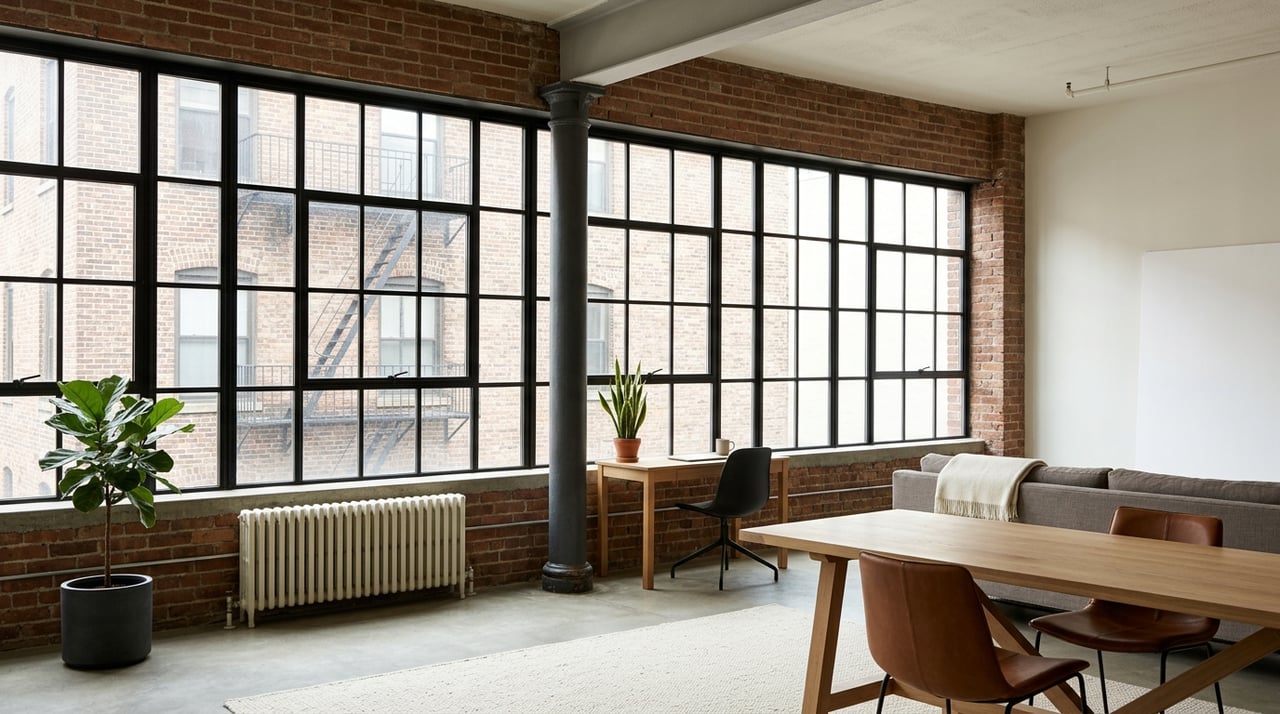
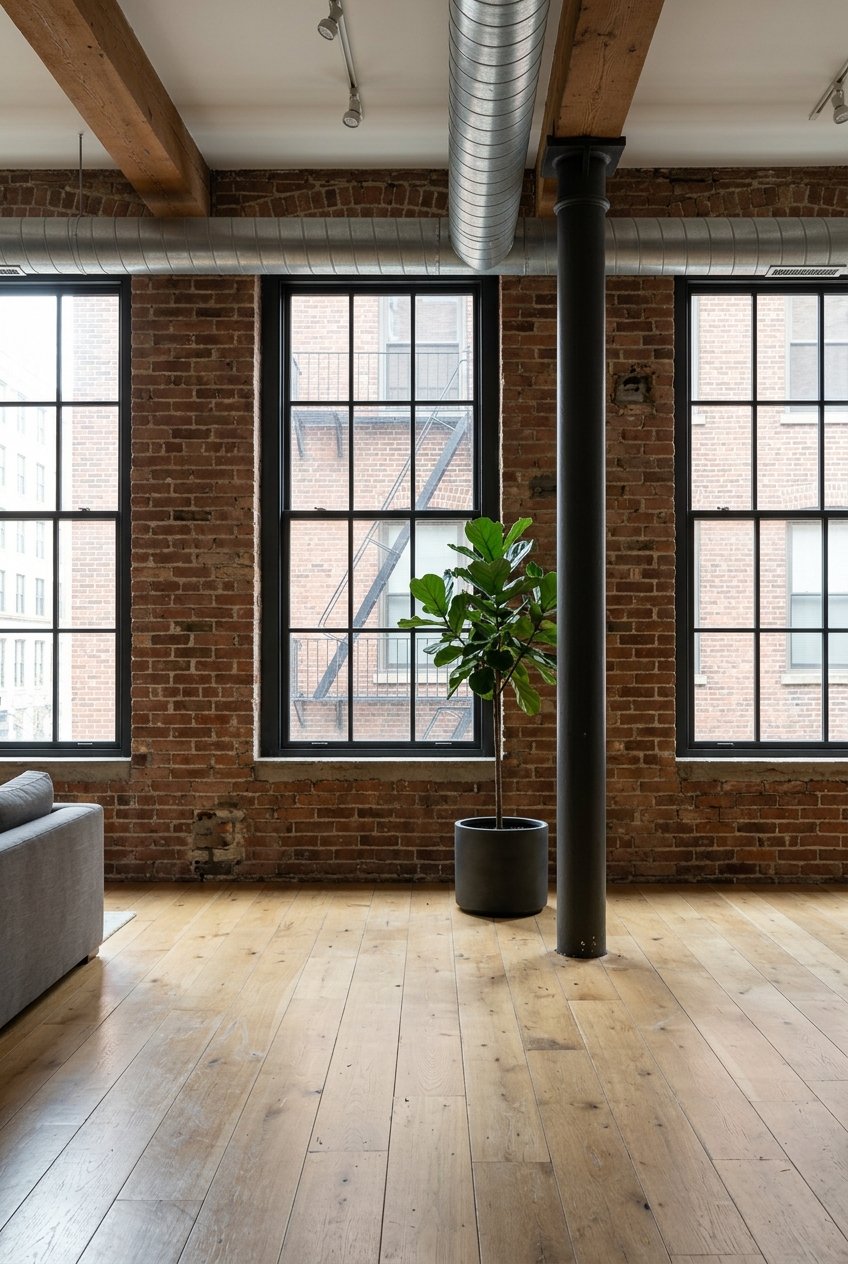
The LPC describes DUMBO factory buildings as having large windows for light and ventilation, along with widely spaced columns that created open floors. In one historic example, 20 Jay Street was marketed with excellent light, 12'10" ceilings, and both passenger and freight elevators, as noted in the designation report. Those details still align closely with what many buyers want from an authentic loft today.
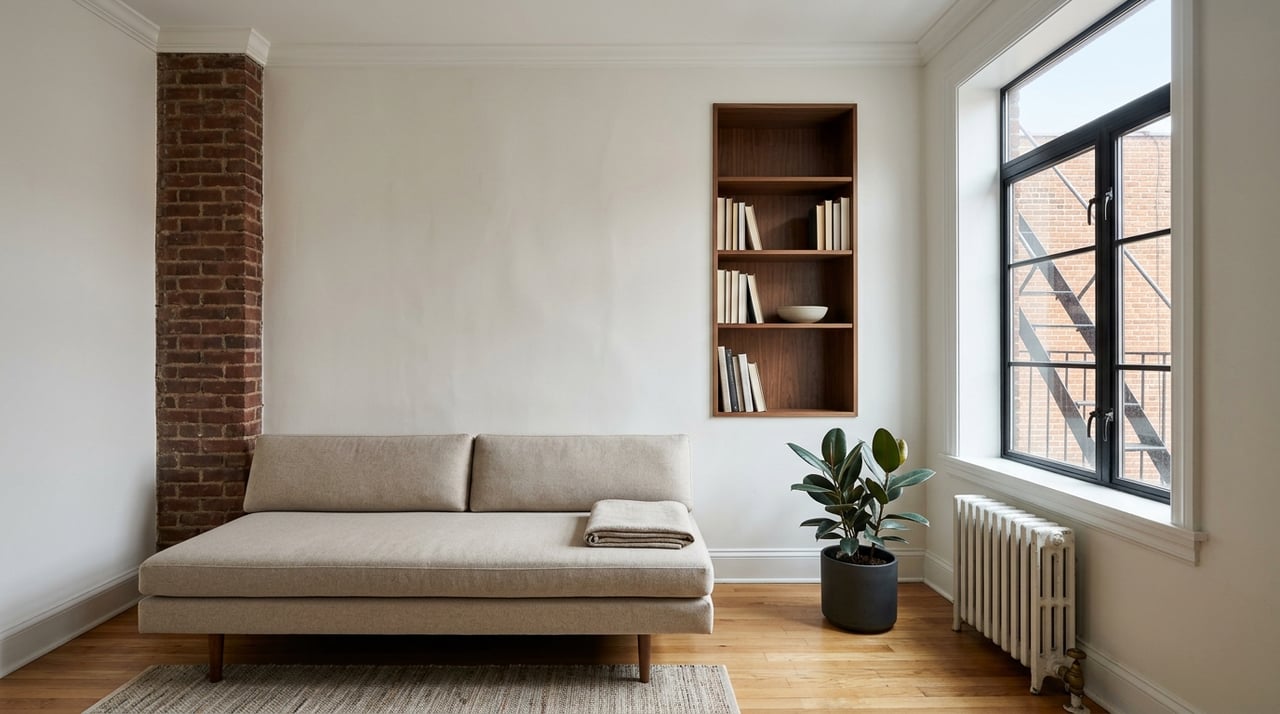
In practical terms, value often increases when a conversion keeps those qualities legible. A space with generous window bays, visible structure, and open proportions usually feels more connected to DUMBO’s industrial history than one that has been overly compartmentalized or stripped of character. In a neighborhood where architecture is part of the product, design choices can shape market perception in a very real way.
The loft features buyers pay for
Buyers in DUMBO are often paying for a specific experience of space. It is not just about the number on the floor plan. It is also about how the home feels when you enter it.
The features that tend to support that feeling include:
- High ceilings that create volume and flexibility
- Large windows that bring in daylight and emphasize the building’s industrial scale
- Open layouts with fewer structural interruptions
- Visible original elements that preserve the building’s identity
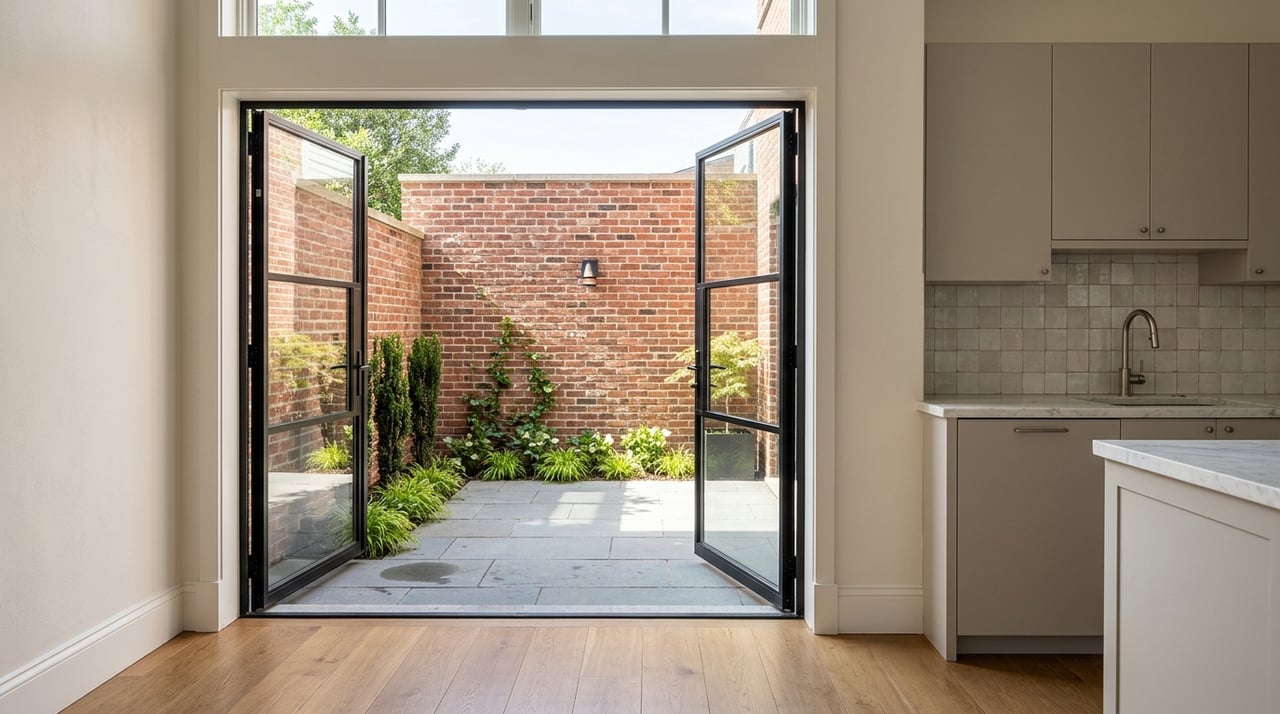
- Thoughtful modernization that supports current living without erasing character
These traits are rooted in the neighborhood’s historic building stock, not in trend-driven design alone. That is one reason they continue to hold value over time.
Why preservation matters in DUMBO
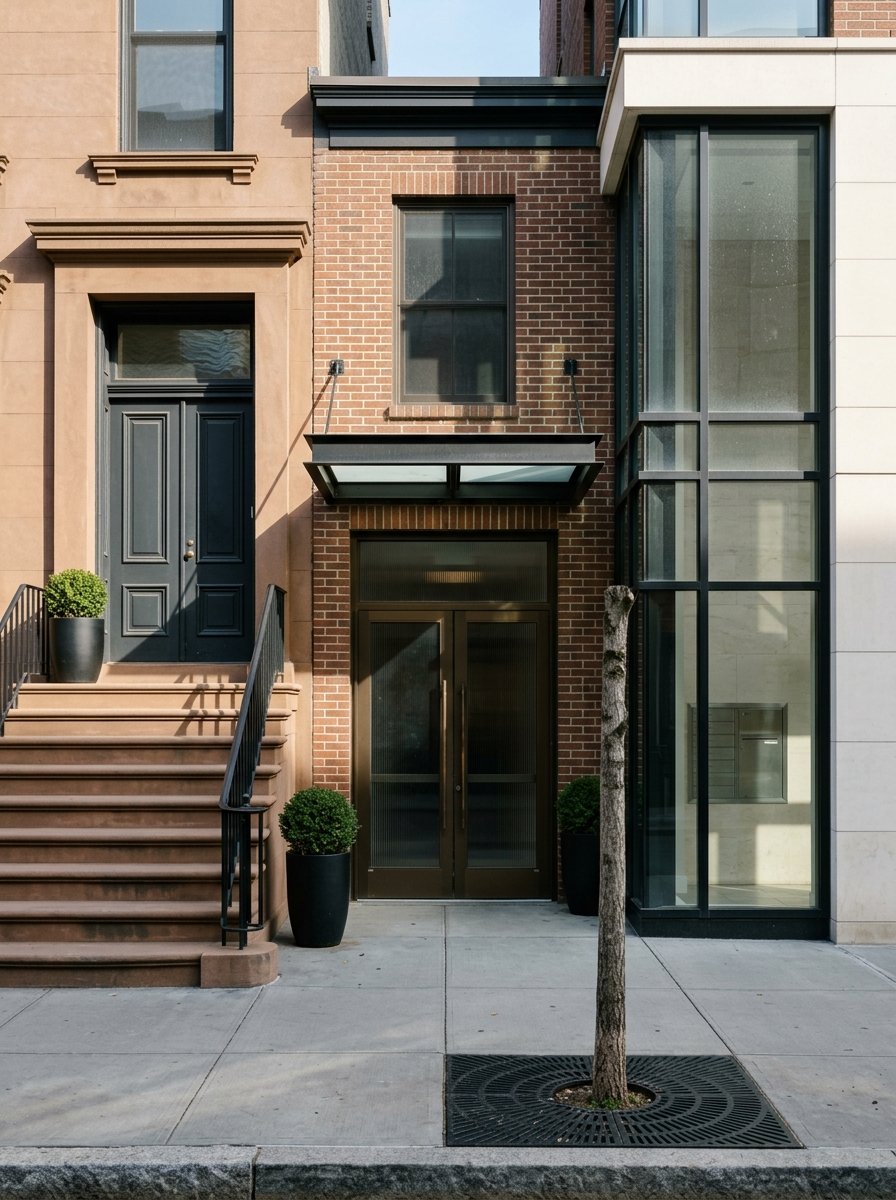
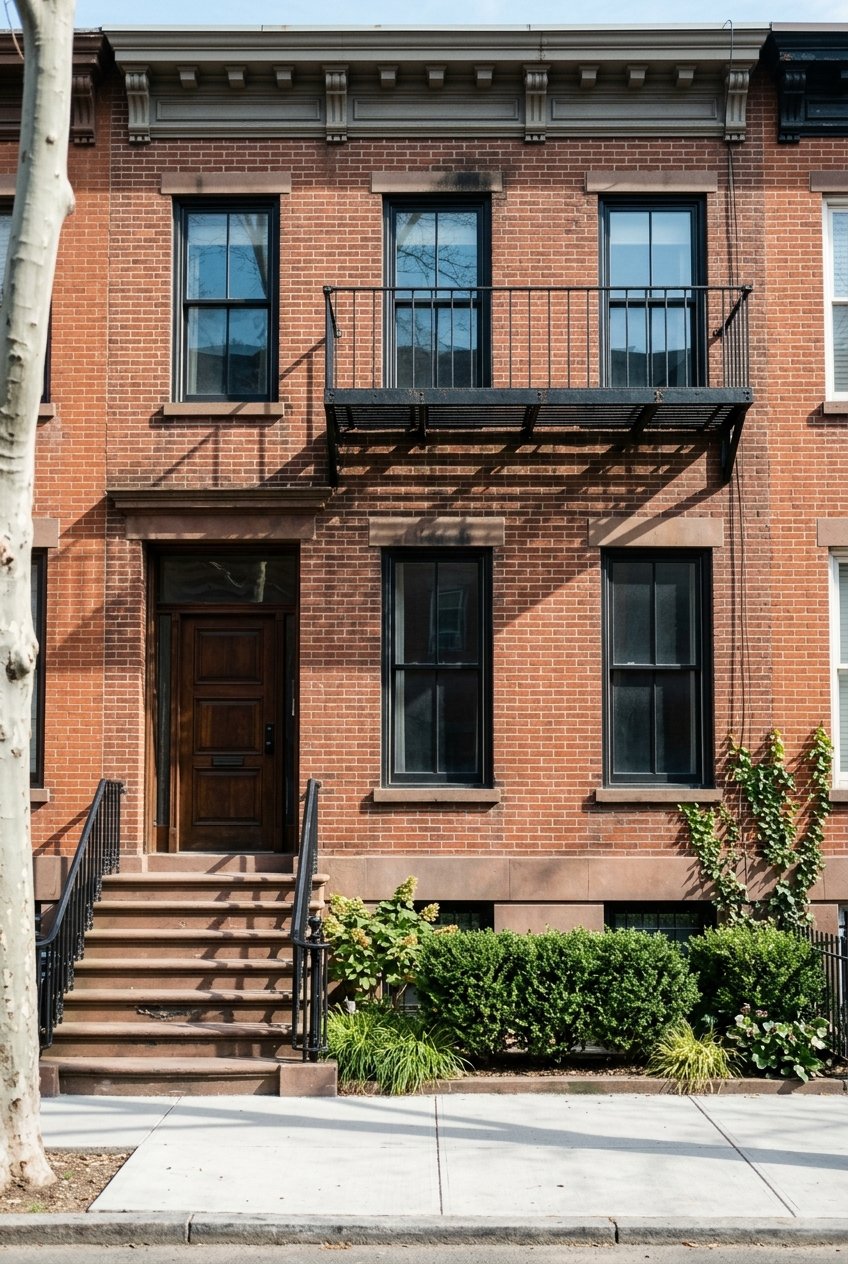
Because DUMBO is a designated historic district, preservation is not just aesthetic. It is part of the framework that shapes what can be changed and how value is maintained. The NYC Landmarks Preservation Commission states that most exterior changes in historic districts require review, including evaluation of whether proposed work is appropriate to the district’s character and whether historic materials are being removed.
For owners and buyers, that means the best conversions usually do two things at once. They modernize the home for how people live now, but they also respect the proportions, materials, and visual cues that make the building part of DUMBO’s story. When a renovation does that well, it tends to feel more authentic and more aligned with what the market values here.
This is especially important in a neighborhood where the historic buildings and streetscape were central to the district’s landmark designation. Preservation is not a side note in DUMBO. It is a major reason the neighborhood commands attention in the first place.
What the pricing says
The market data supports DUMBO’s premium position. In March 2026, PropertyShark reported a median sale price of $2.3 million in DUMBO and a median price per square foot of $1,471. The same report placed DUMBO among Brooklyn’s highest-priced neighborhoods, compared with a Brooklyn median sale price of $879,000.
That gap does not come from size alone. It reflects a combination of location, waterfront access, historic character, and product quality. In DUMBO, buyers are often paying a premium for homes that preserve industrial architecture while delivering the comfort and finish level expected in a high-end market.
How to assess a DUMBO loft conversion
If you are comparing properties in DUMBO, it helps to evaluate them through a simple framework. The goal is to look past staging and finishes and focus on what actually supports long-term value.
Start with authenticity
Look at the building and unit for signs that the original loft qualities remain intact. The LPC report highlights key characteristics such as large windows, flexible floor plates, and industrial construction methods that shaped the district’s architecture.
As you tour a property, ask yourself whether you can still read the original structure. Does the window rhythm make sense? Do the ceiling heights feel true to the building? Has the conversion preserved openness, or has it carved the space into something generic?
Review the modernization
A good conversion should support modern living without overwhelming the shell. Updated systems, kitchens, baths, and circulation matter, but in DUMBO, the strongest outcomes often come from restraint rather than excess.
When upgrades feel clean, proportional, and architecturally aware, they tend to reinforce value. When they obscure the original scale or remove too much of the building’s visual identity, the result may feel less compelling in a neighborhood known for authentic loft stock.
Check the waterfront context
DUMBO’s waterfront setting is part of its appeal, but it also makes due diligence important. For buildings near the water or close to Brooklyn Bridge Park, it is wise to review NYC flood maps to understand flood zones and expected flood elevations.
This does not mean every property carries the same level of risk. It means location-specific review matters. In a neighborhood where views and waterfront access help shape demand, parcel-level context can be an important part of evaluating value.
Compare the story to the price
In DUMBO, the asking price is often telling you a story about more than square footage. It may be reflecting original architecture, preserved detailing, light, ceiling height, or a particularly strong relationship to the streetscape or waterfront.
The key is to decide whether the conversion justifies that story. If a home has retained the traits that make DUMBO lofts distinct, a premium may be easier for the market to support. If those qualities have been diluted, the pricing deserves a closer look.
Why this matters for buyers and sellers
If you are a buyer, understanding loft conversion quality can help you separate true long-term appeal from surface-level finishes. In a premium neighborhood, subtle architectural differences can have an outsized effect on value and resale potential.
If you are a seller, the same principle works in your favor when your property’s original character has been preserved and presented well. In DUMBO, marketing is strongest when it connects a home’s design decisions to the neighborhood’s industrial legacy and current demand drivers. Buyers are not just purchasing an apartment. They are buying into a particular kind of space and a specific neighborhood narrative.
That is where local knowledge, design sensitivity, and clear positioning become especially important. If you want guidance on how to evaluate or present a DUMBO loft in today’s market, The Diamonde Team can help you navigate the details with a refined, value-focused approach.
FAQs
How do loft conversions affect home value in DUMBO?
- Loft conversions can support higher value when they preserve original industrial features like large windows, high ceilings, and open floor plans while adding modern functionality.
Why do buyers pay a premium for DUMBO lofts?
- Buyers often pay a premium because DUMBO combines historic industrial architecture, waterfront amenities, landmarked streetscape, and strong high-end market demand.
What features add the most value in a DUMBO loft conversion?
- Features that tend to matter most include ceiling height, natural light, flexible layouts, visible original architectural elements, and thoughtful upgrades that respect the building’s character.
Does landmark status matter when evaluating a DUMBO loft?
- Yes, landmark status matters because many exterior changes in the historic district require review, and preservation standards can influence both design decisions and long-term value.
Should buyers check flood maps for DUMBO properties?
- Yes, especially for properties near the waterfront, buyers should review flood zone information on NYC flood maps as part of their due diligence.