Trying to choose between prewar charm and loft living in the West Village? You are not alone. The neighborhood’s historic streets invite you to fall for classic details, while a handful of dramatic loft conversions promise light and volume. In this guide, you will learn how each option lives day to day, what to expect with renovations and approvals, and how each style performs at resale so you can buy with confidence. Let’s dive in.
West Village look and feel
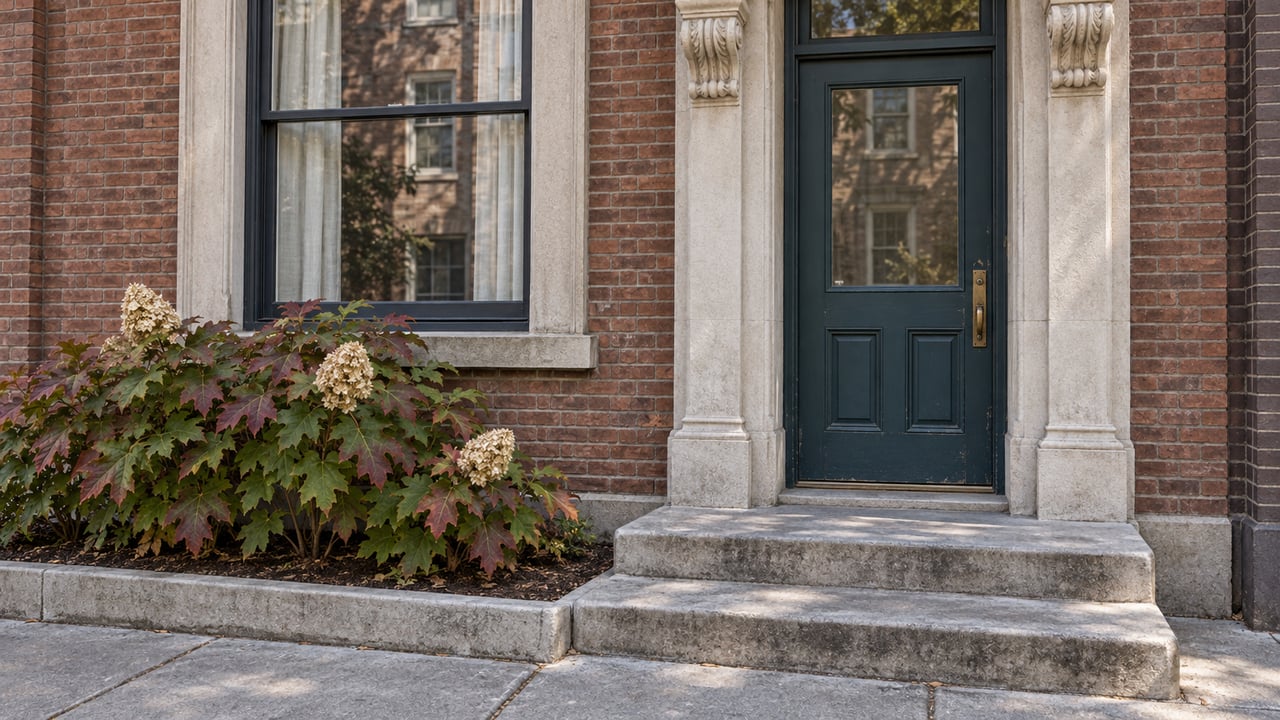
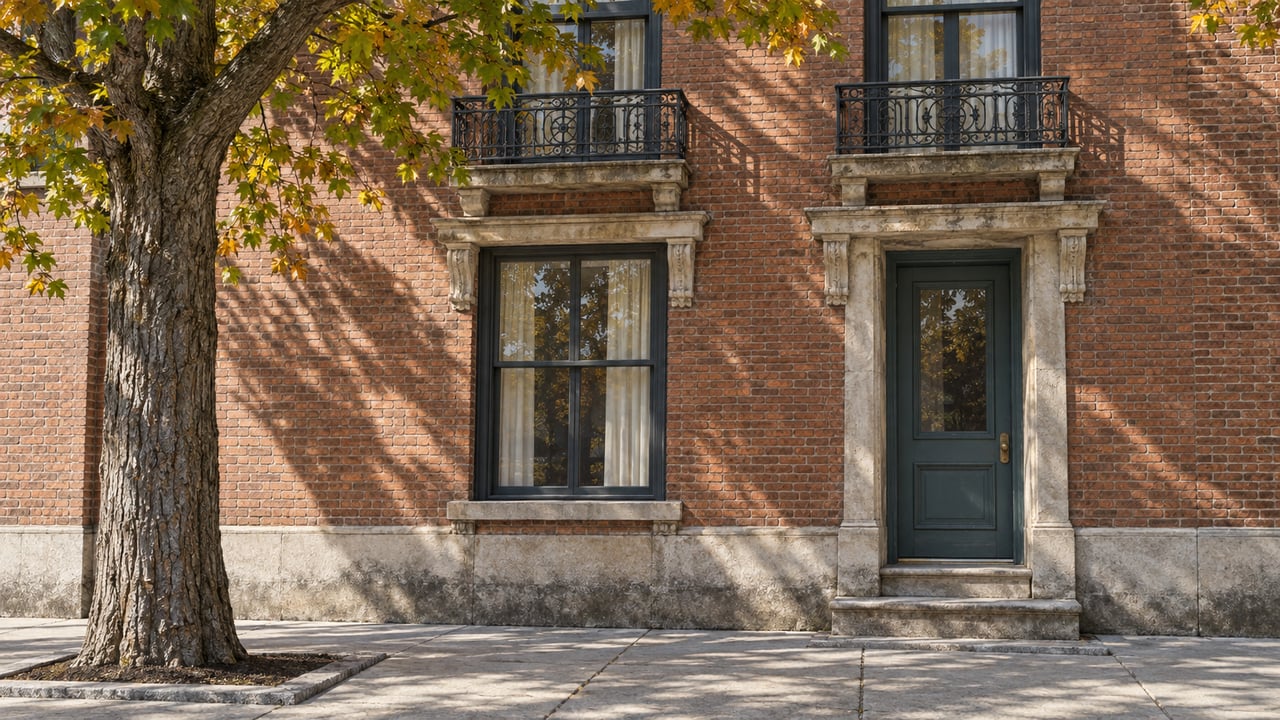
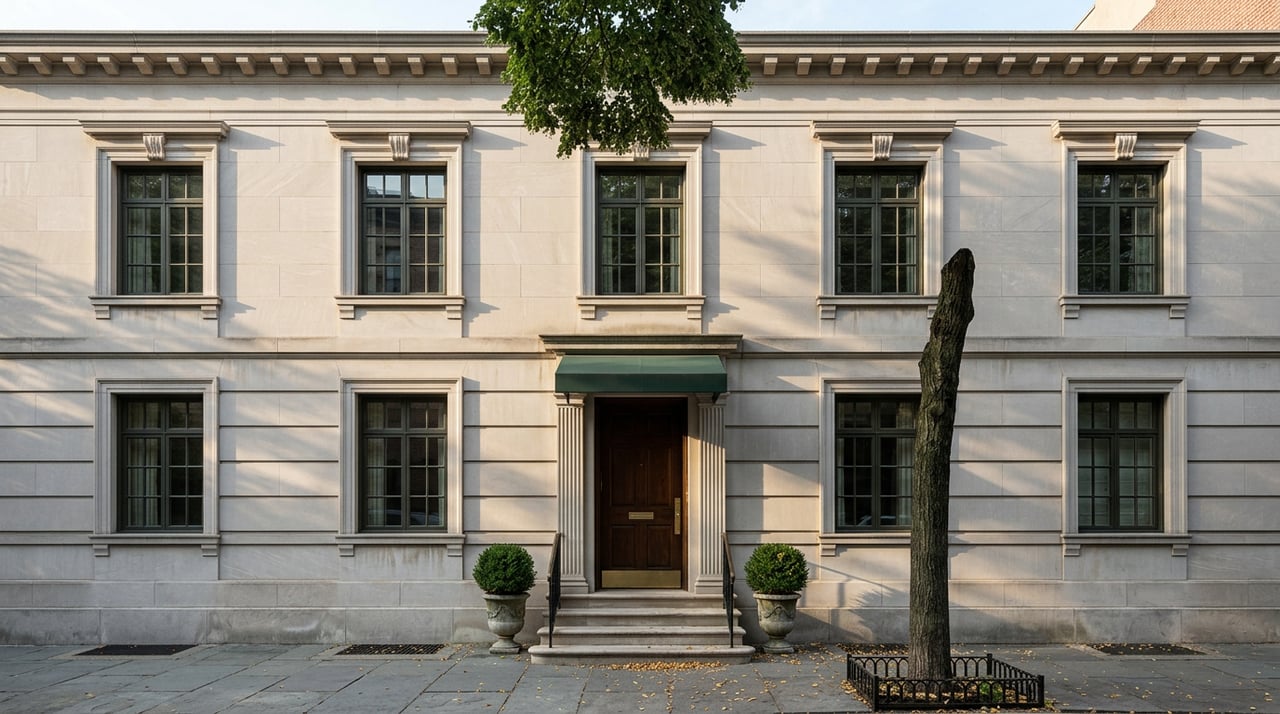
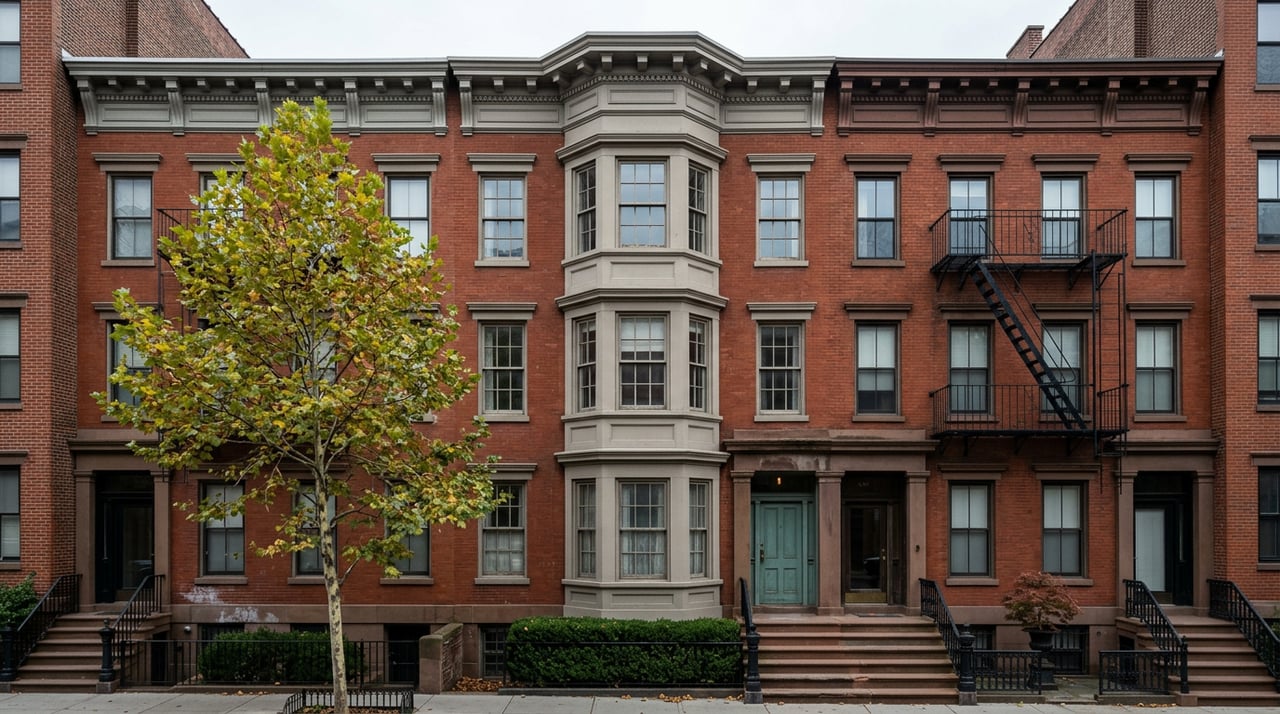
The West Village reads as prewar at street level. Low to mid-rise brick and brownstone buildings line narrow, tree-shaded blocks with an irregular grid. Much of the area sits within historic districts overseen by the NYC Landmarks Preservation Commission, which protects exteriors and preserves the neighborhood’s human-scale charm.
True industrial loft buildings are less common here than in nearby SoHo or Tribeca. You will find some adaptive reuse and modern boutique condos that borrow loft aesthetics, but the core building stock remains prewar co-ops, condos, and townhouses.
Prewar vs loft at a glance
- Prewar: defined rooms, classic details, thicker walls, and strong privacy. Ceiling heights often range from 9 to 11 feet, with some parlor floors higher.
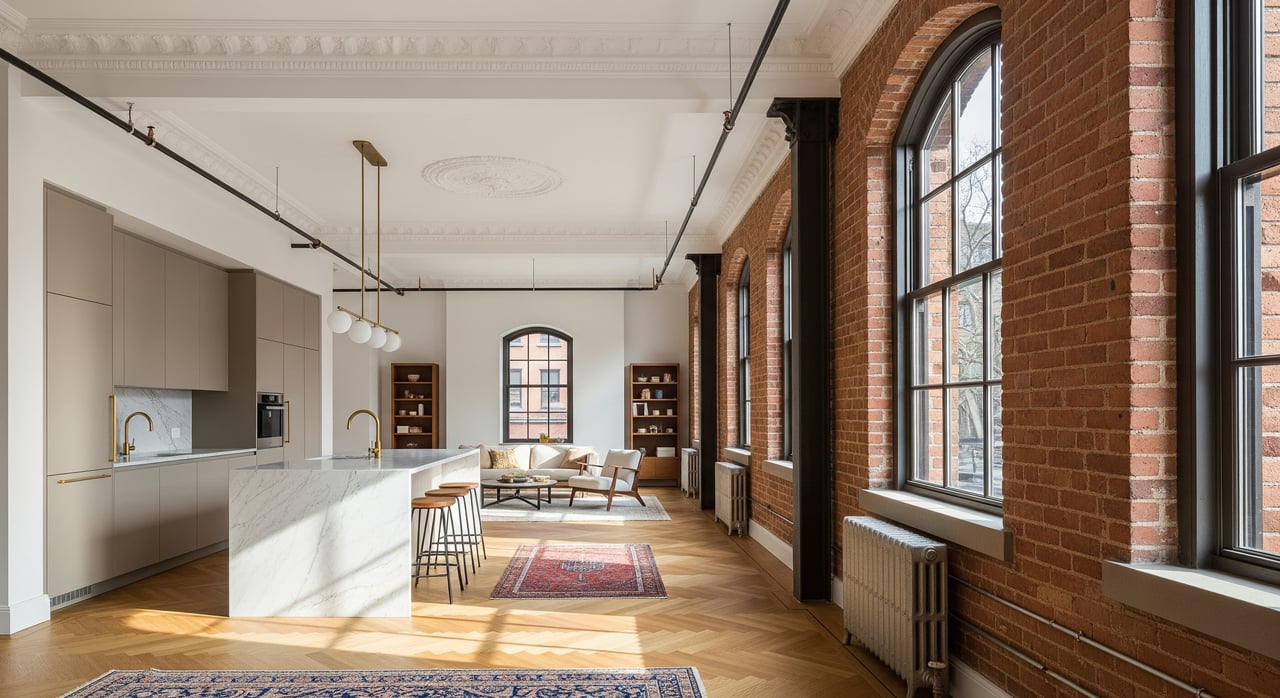
- Loft: open plans, tall ceilings, large windows, and industrial finishes. Ceiling heights can reach 12 to 16 feet or more in conversions.
- Market reality: classic prewar units have broad appeal in the West Village; lofts are a niche category that can command premiums when exceptional.
Layout and room definition
Prewar apartments typically offer separate rooms for living, dining, and sleeping. Entry foyers, hallways, and doors provide privacy and clear function. If you need a closed office, nursery, or formal dining, a prewar layout makes that easy without reworking the plan.
Loft-style residences favor openness. You get a large flexible volume that is great for entertaining or a studio-like lifestyle. To create privacy, you will plan zones with furniture or consider freestanding walls or glass partitions. Just know that adding partitions can reduce the pure loft feel you may be seeking.
Ceiling height and volume
One of the biggest experiential differences is vertical space. Many prewar rooms in the neighborhood measure 9 to 11 feet, with some townhouse parlors higher. Lofts and true industrial conversions often reach 12 to 16 feet and sometimes more.
Higher ceilings amplify light and airiness and can allow a mezzanine or lofted storage. They also increase heating and cooling loads and may complicate installing tall cabinetry and lighting. If you plan to add a mezzanine, confirm code and egress requirements early in your planning.
Finishes and character
Prewar interiors connect through material warmth and detail. You may see crown moldings, plaster cornices, picture rails, built-ins, parquet or plank floors, and sometimes working fireplaces. Restorations often focus on preserving those details while updating kitchens and baths.
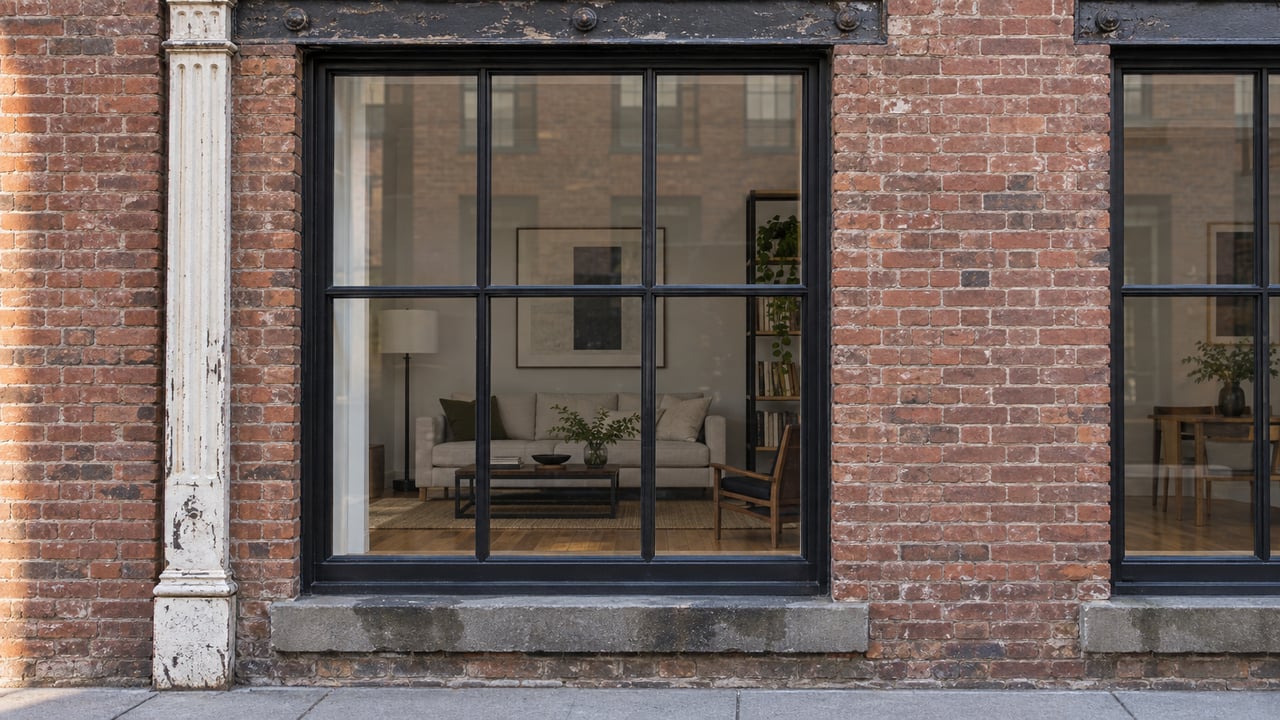
Loft finishes lean industrial and minimalist. Think exposed brick, steel or timber elements, wide-plank hardwood or concrete floors, visible ductwork, and oversized windows. Some lofts present raw, gallery-like shells, while others layer in sleek modern kitchens and baths for contrast.
Your emotional response to these finishes matters. If you want tactile, historic texture and quiet elegance, prewar may fit. If you want a clean canvas with bold scale, the loft look can be irresistible.
Acoustics and privacy
Prewar buildings often deliver better sound separation thanks to thicker masonry walls and multi-layer plaster assemblies. Compartmentalized layouts also mean more doors and walls between rooms, which helps.
Open lofts with hard surfaces can echo. Sound may travel between zones and, in some conversions, between floors if assemblies are thin. You can improve this with resilient channels, acoustic drywall, insulation, rugs, curtains, and upholstered furniture. For serious soundproofing, expect permits and board approvals if the work touches structure.
Storage and function
Prewar apartments often include built-in closets, pantries, and niche storage, though closet sizes vary. Multiple rooms make it easy to place storage furniture without crowding the living area.
Lofts may lack built-ins and closed storage. Most owners add custom wardrobes, millwork walls, or mezzanine-level closets. If storage is a priority, plan and budget for bespoke solutions.
Natural light and windows
Prewar buildings typically have smaller windows relative to wall area, though some corner or parlor-level units benefit from multiple exposures and tall, narrow windows. Light tends to gradate across deeper rooms.
Lofts usually gain light from large factory-style windows in broad banks. This can create a luminous, gallery-quality living room. In landmarked exteriors, window changes may be regulated, so assume you will match approved profiles.
Renovation and rules in the West Village
Renovations in New York require planning. Most structural changes, kitchen and bath relocations, and electrical or plumbing upgrades require Department of Buildings permits. If your building is in a historic district, the Landmarks Preservation Commission reviews exterior work and some visible alterations. Interior work that does not affect designated features usually proceeds without LPC review, but always confirm.
Buildings add another layer. Co-op boards often require detailed applications, licensed insured contractors, and strict noise and schedule windows. Condos tend to be more flexible but still enforce bylaws.
Typical cost ranges in Manhattan vary by scope and finish level:
- Cosmetic refresh: roughly $50 to $150 per square foot.
- Mid-range kitchen or bath: about $20,000 to $75,000 per room, with higher costs if you move plumbing or upgrade electrical.
- Full gut renovation: commonly $200 to $400 per square foot or more when structural or luxury finishes are involved.
- Acoustic upgrades: from a few thousand to tens of thousands depending on assemblies and coverage.
Older prewar buildings may reveal hidden conditions like outdated wiring or plumbing and, in some cases, lead or asbestos that require professional abatement. Landmarked work may require specialty trades and longer timelines. Build in contingency and confirm all required approvals before you close if your plan is time sensitive.
Structural and mechanical realities
- Load-bearing elements: Removing or altering walls, columns, or slabs requires a structural engineer, filings, and often shoring. Opening a prewar plan to feel loft-like can be complex and costly.
- HVAC and AC: Many prewar units lack central HVAC. Adding ducted systems or through-wall units in regulated facades requires careful coordination with building rules and, sometimes, LPC.
- Plumbing stacks: Moving kitchens or baths away from stacks is often expensive and sometimes impractical without a full gut.
- Windows and egress: Enlarging windows or adding mezzanines may trigger fire safety and egress requirements. Plan with an architect early.
Who chooses what
Prewar buyers often want classic detail, privacy, and a traditional Manhattan experience. Defined rooms suit families or anyone who needs a closed office and calm day-to-day living.
Loft buyers tend to be design-forward. They value open entertaining space, dramatic ceiling height, and industrial finishes. If you host often, work in a studio setting, or want a gallery-like home, a loft can be the perfect fit.
In the West Village, classic prewar homes enjoy deep buyer familiarity and steady demand. Lofts are rarer and can command premiums when they offer standout volume, windows, or architecture, but they may appeal to a narrower pool.
Resale and staging tips
Prewar units usually resell best when original details shine alongside thoughtful modern upgrades. Highlight millwork, fireplaces, and floors, and ensure kitchens, baths, and closets feel current.
Lofts show best when the open volume is organized into clear living zones. Stage quiet bedrooms, dedicated work areas, storage solutions, and add rugs, curtains, and soft furnishings to tame echo. Buyers respond to beauty and function in equal measure.
Quick buyer checklist
Use this checklist while touring:
- Measure ceiling heights in living areas and bedrooms. Could you add a mezzanine or taller built-ins?
- Count closets and evaluate built-ins. Where could you add storage without crowding the plan?
- Map the layout. If open, where could partitions go without structural work?
- Study windows and exposures. Note light quality, orientation, and potential glare.
- Inspect floors. Identify original hardwood, any subfloor issues, and refinishing needs.
- Request permit history and any architect or engineer drawings for past work.
- Confirm whether the building is landmarked and what that means for windows or exterior elements.
- Ask about co-op or condo rules for renovations, contractor insurance, and work hours.
- Identify plumbing stacks and risers if you intend to move kitchens or baths.
- Check for ongoing or planned capital projects and any assessments.
- Ask about typical noise transmission between units and floors.
Smart questions to ask
- Has any structural work been done, and can the seller provide Department of Buildings filings or engineer sign-offs?
- Is the building in a historic district, and were Landmarks approvals required for prior exterior or window work?
- How does the building handle renovations, including approved hours, contractor insurance, and hallway protection?
- Are there pending assessments or major building projects that could impact cost or timing?
- Who is the typical buyer for this line or building, and how have similar units performed at resale?
How to choose with confidence
Start with how you live. If you need quiet rooms and ready storage, prewar may serve you better on day one. If you crave scale, light, and an open canvas, a loft can be thrilling, with the caveat that you may invest in storage and acoustics.
Then evaluate rules, timeline, and budget. In landmarked parts of the West Village, approvals and specialized trades can shape what is possible. Co-op versus condo governance will also influence your renovation path. Finally, consider future resale: classic prewar has broad appeal; exceptional lofts win when the volume and light are truly special.
When you want a refined, results-driven plan for buying or selling in the West Village, connect with The Diamonde Team. We blend architectural sensitivity, editorial marketing, and sharp negotiation to help you secure the right home and position it for long-term value.
FAQs
What defines a prewar apartment in the West Village?
- Prewar homes are typically late 19th to early 20th century buildings with compartmentalized layouts, thicker masonry walls, and details like moldings, plaster, and wood floors.
Are true lofts common in the West Village?
- They exist but are limited compared to SoHo or Tribeca; many West Village buildings are prewar, with some adaptive reuse and boutique condos that borrow loft aesthetics.
How do ceiling heights compare in prewar vs loft homes?
- Prewar rooms often range from 9 to 11 feet, while lofts frequently span 12 to 16 feet or more, creating greater volume and the option for mezzanines.
What should I know about renovating in a landmarked building?
- Exterior and certain visible changes require review by the Landmarks Preservation Commission; interior non-designated work often proceeds without LPC but always confirm in advance.
How do co-op and condo rules affect renovations?
- Co-ops typically require detailed board approvals, stricter timelines, and insurance from contractors; condos are often more flexible but still enforce building bylaws.
How can I improve acoustics in an open loft?
- Add resilient channels, acoustic drywall, insulation, rugs, curtains, and upholstered furniture; structural soundproofing usually requires permits and building approval.