Thinking about renovating a Carroll Gardens brownstone before you sell? In this neighborhood, the right updates can sharpen your asking price and widen buyer interest, but the wrong ones can slow you down, add review hurdles, or make the home feel less true to its setting. If you want your renovation dollars to work harder, it helps to know what buyers tend to value here and where historic-district rules can shape your plan. Let’s dive in.
Why Carroll Gardens Renovations Need Precision
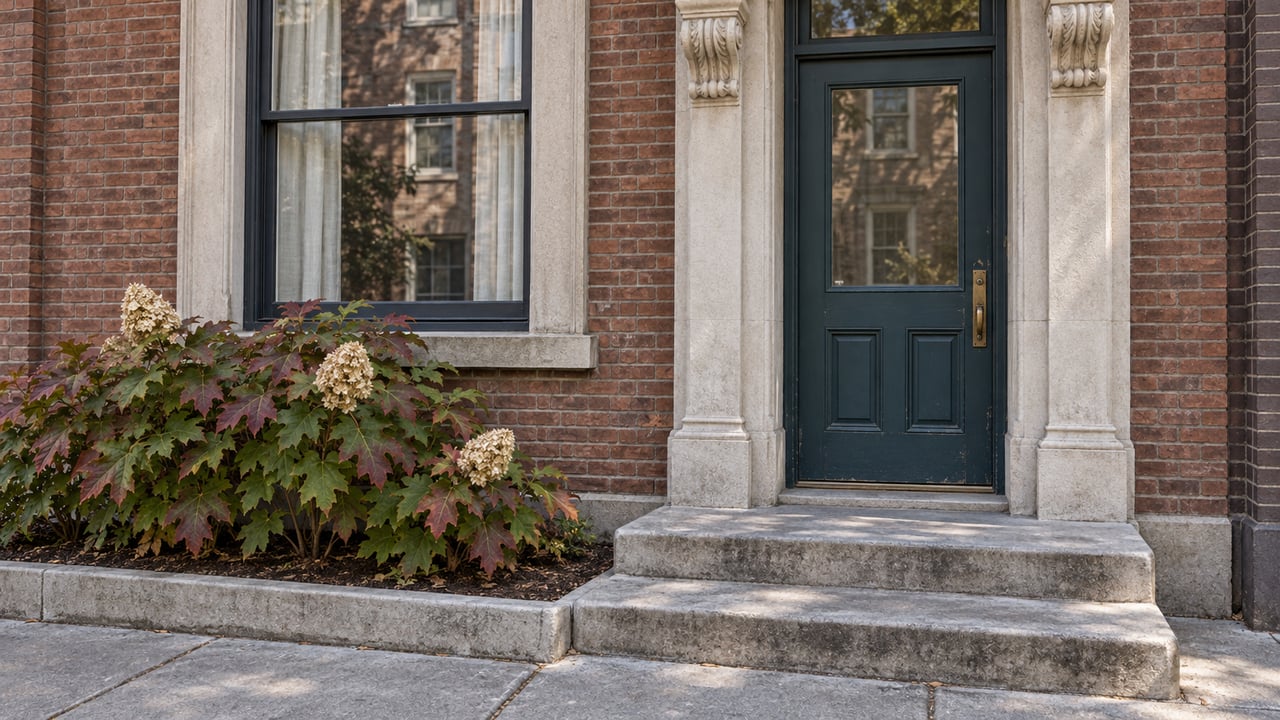
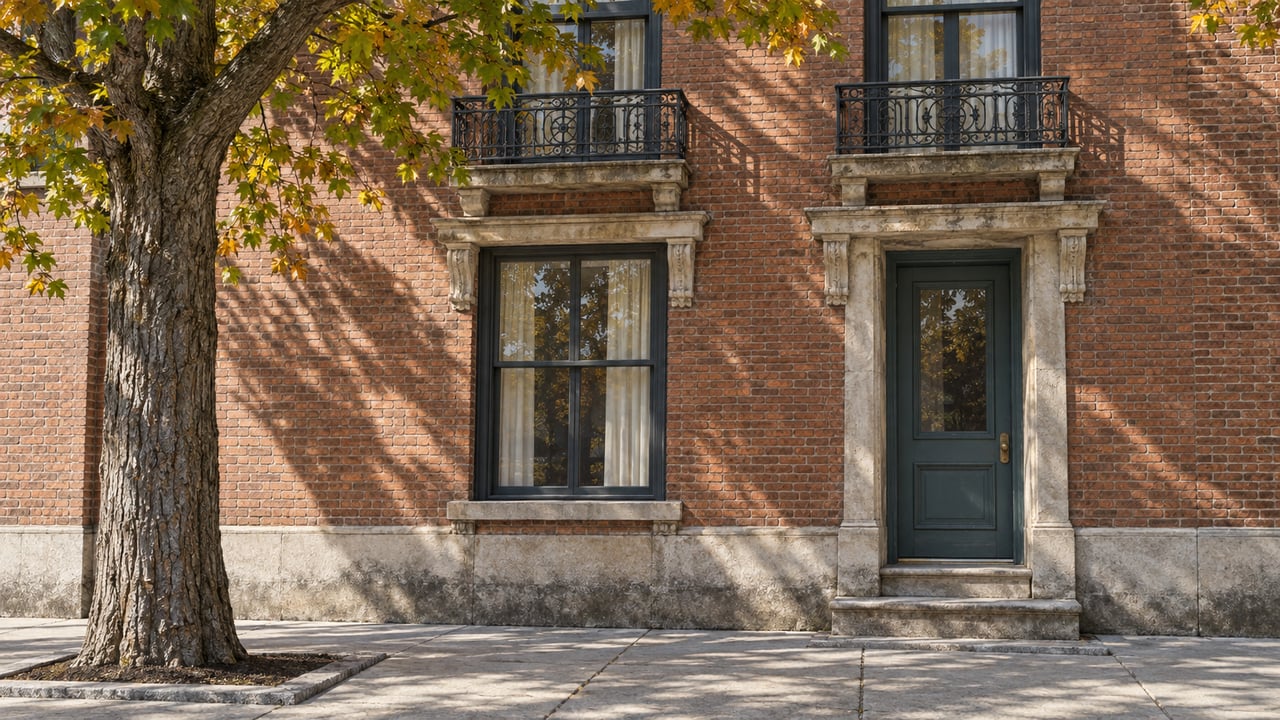
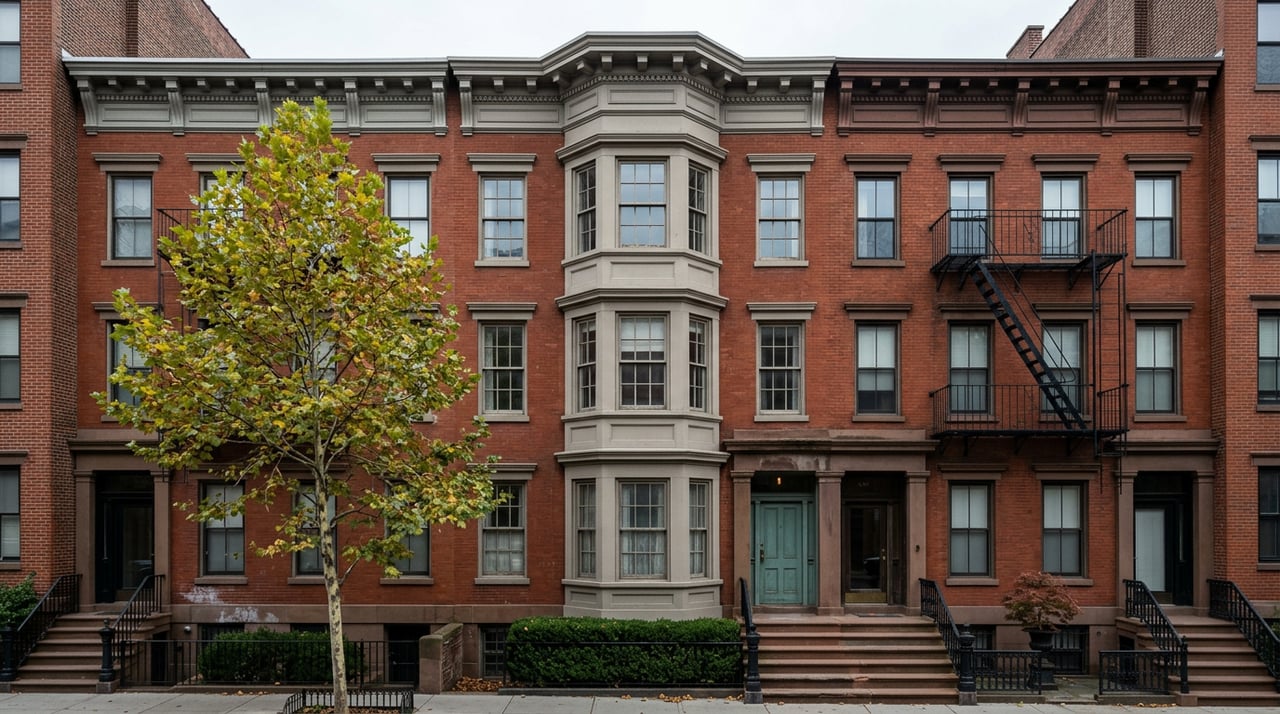
Carroll Gardens is not a plug-and-play resale market. Its brownstone housing stock is historically distinctive, with many homes dating from the late 1860s through the early 1880s and set behind the deep front gardens that define the neighborhood’s identity.
That character matters to buyers, and it also matters to the Landmarks Preservation Commission. In this preservation-sensitive submarket, most exterior changes in historic districts require LPC review, including work on rear facades and some areas not visible from the street.
At the same time, the market remains expensive and inventory is limited. Recent trackers place Carroll Gardens around $2.3 million to $2.9 million in median sale price, with homes taking about 59 to 60 days to sell, which means sellers have room to benefit from thoughtful preparation but not much room for avoidable mistakes.
Start With the Resale Goal
Before you choose finishes or open walls, define the outcome you want. For resale in Carroll Gardens, the strongest strategy is usually selective modernization rather than a total reinvention.
That means improving how the house lives today while protecting what makes it feel like a Carroll Gardens brownstone. Buyers often respond best when a home feels cleaner, brighter, and more functional without losing its proportions, detailing, or connection to the garden.
A useful rule is simple: make the house feel better, not less like itself. In a neighborhood where older housing stock and historic character are central to value, generic luxury can miss the mark.
Renovations That Tend to Add Appeal
Upgrade kitchens and baths
Kitchen and bath work remains one of the clearest places to focus. The 2025 Remodeling Impact Report found that kitchen upgrades and bathroom renovations were among the projects with some of the largest increases in Realtor-reported demand.
That same report also noted that 46% of buyers are less willing to compromise on home condition. If your kitchen or baths feel tired, cramped, or visibly dated, buyers may see future work instead of immediate value.
In a Carroll Gardens brownstone, the goal is not flash for its own sake. Durable materials, better function, and a restrained finish palette often fit both the architecture and the buyer pool more effectively than trend-heavy choices.
Clarify the primary suite
A primary bedroom suite addition earned one of the highest Joy Scores in the same 2025 remodeling report. While not every brownstone has the footprint for a major suite expansion, improving the primary bedroom and bath relationship can still make a home feel more complete.
If you can create better storage, a more practical bath layout, or a stronger sense of separation from secondary rooms, that can help buyers understand the home’s daily livability. In a high-price market, clear function matters.
Strengthen garden connection
In Carroll Gardens, outdoor access is not just a nice extra. It is part of the neighborhood story and part of the resale proposition.
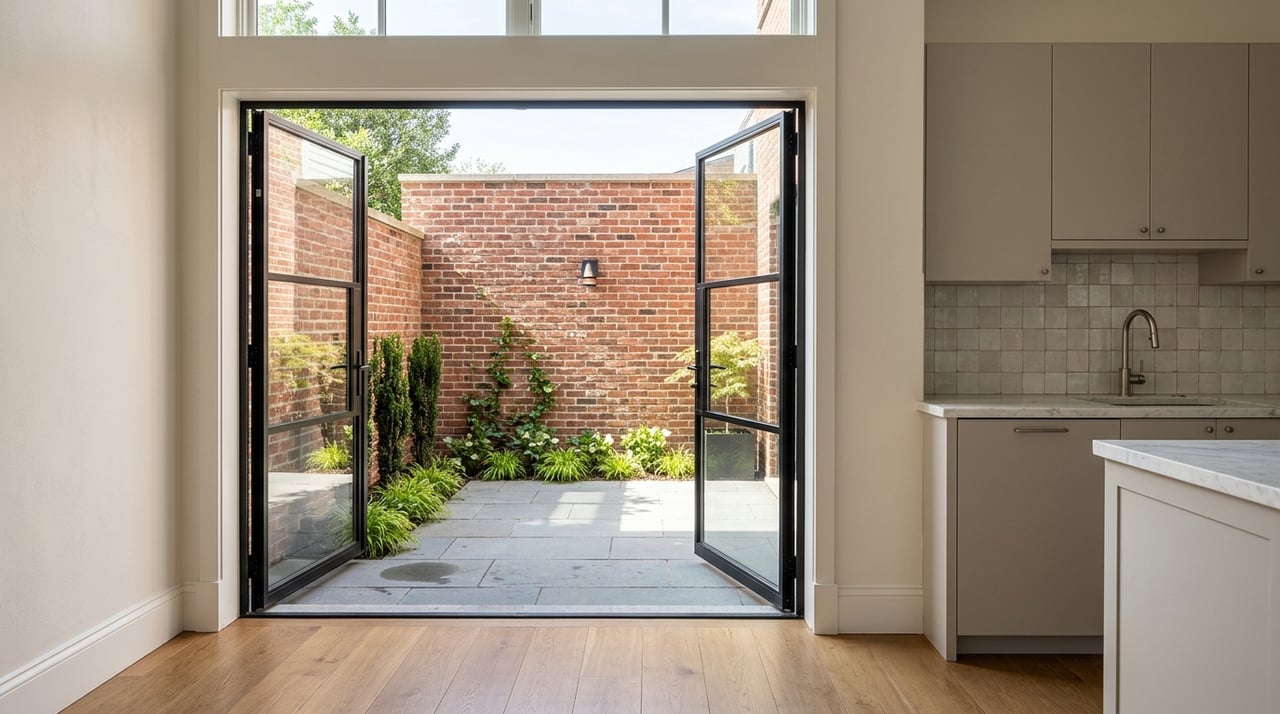
Local renovation examples repeatedly emphasize a stronger connection between the parlor floor, garden level, and backyard. Features like kitchens that look onto the garden, improved rear openings, and a more seamless flow to a deck or backyard can make the house feel larger, brighter, and more aligned with how buyers want to live.
Because the neighborhood is known for its garden identity, this connection can carry outsized emotional weight during showings. Buyers are often responding not just to square footage, but to how clearly the home delivers the Carroll Gardens lifestyle they came for.
Refresh paint and surfaces
Not every pre-sale renovation needs to be large. The remodeling report found that Realtors often recommend painting the whole home or at least one room before listing, which supports a clean cosmetic refresh when a full renovation is not the best move.
Fresh paint, repaired trim, cleaned-up floors, and a more consistent finish palette can help buyers focus on architecture and layout instead of deferred maintenance. In many cases, this is one of the simplest ways to make an older home feel cared for.
Preserve the Details Buyers Notice
Keep original character in view
Carroll Gardens buyers often respond to brownstones that retain their historic character. Local examples highlight preserved mantels, moldings, carved balusters, stair details, cornices, lintels, stoops, and restored facades.
These elements are not just decorative. They help buyers feel the house has authenticity, and that can support stronger emotional connection during tours and marketing.
If you are deciding where to spend, preservation and repair of original features can be just as important as new finishes. A polished kitchen may catch attention, but a brownstone that still reads as a true brownstone tends to feel more compelling overall.
Respect original proportions
Open layouts are not always the answer. In local examples, successful renovations often preserve a readable front-to-back rhythm, with formal rooms toward the front and kitchen or utility functions toward the rear.
That does not mean you cannot improve flow. It means changes should support light, movement, and garden access without erasing the proportions that make the house feel architecturally coherent.
Renovation Choices That Can Hurt Resale
Over-customizing the design
A highly specific design may suit your taste but narrow your buyer pool. One local listing described exposed plumbing as a modern touch that may not suit every buyer, and that is a useful reminder for resale planning.
If a finish looks intentionally unfinished, overly niche, or too tied to one design trend, some buyers may read it as something they will need to undo. In a high-end resale, broad appeal usually outperforms novelty.
Blocking light or garden flow
Layout mistakes can be costly, especially in a brownstone. Renovations that reduce light, eliminate garden access, or chop up the parlor floor can work against resale efficiency.
By contrast, buyers tend to respond better when the front-to-back sequence feels clear and the path to the backyard feels natural. If you are moving walls or relocating rooms, test every decision against light, circulation, and access.
Pushing facade changes too far
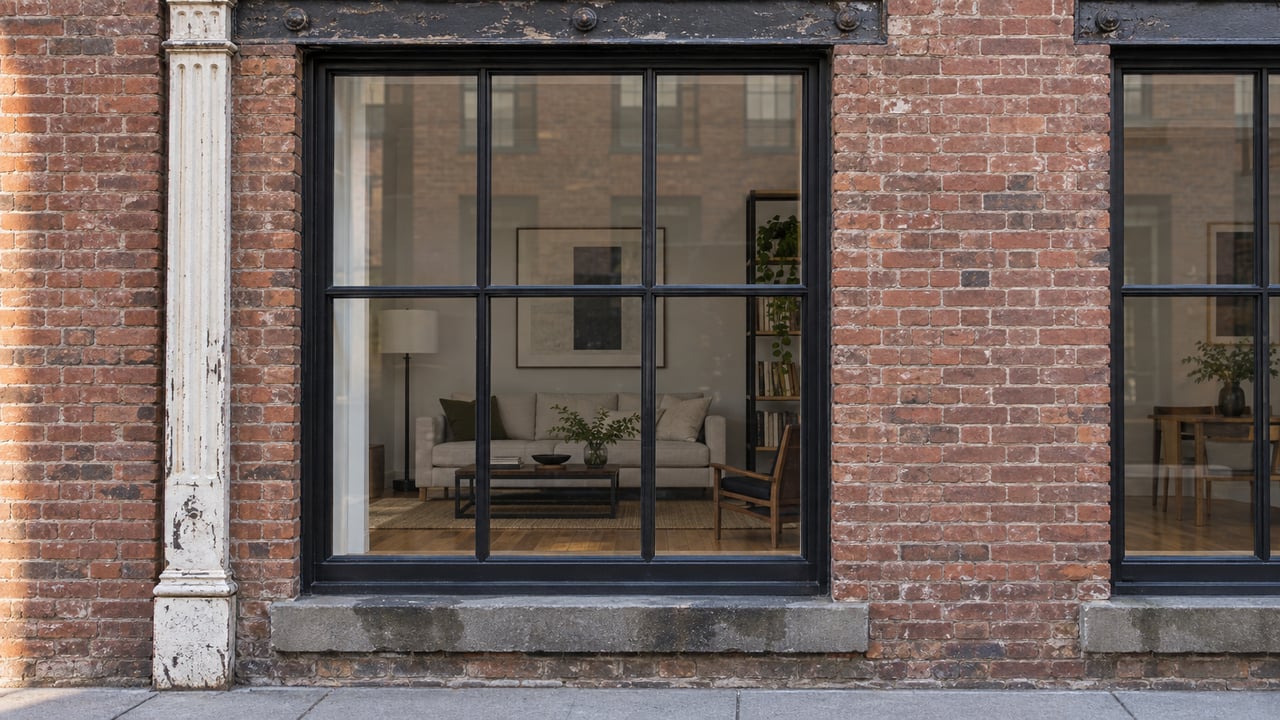
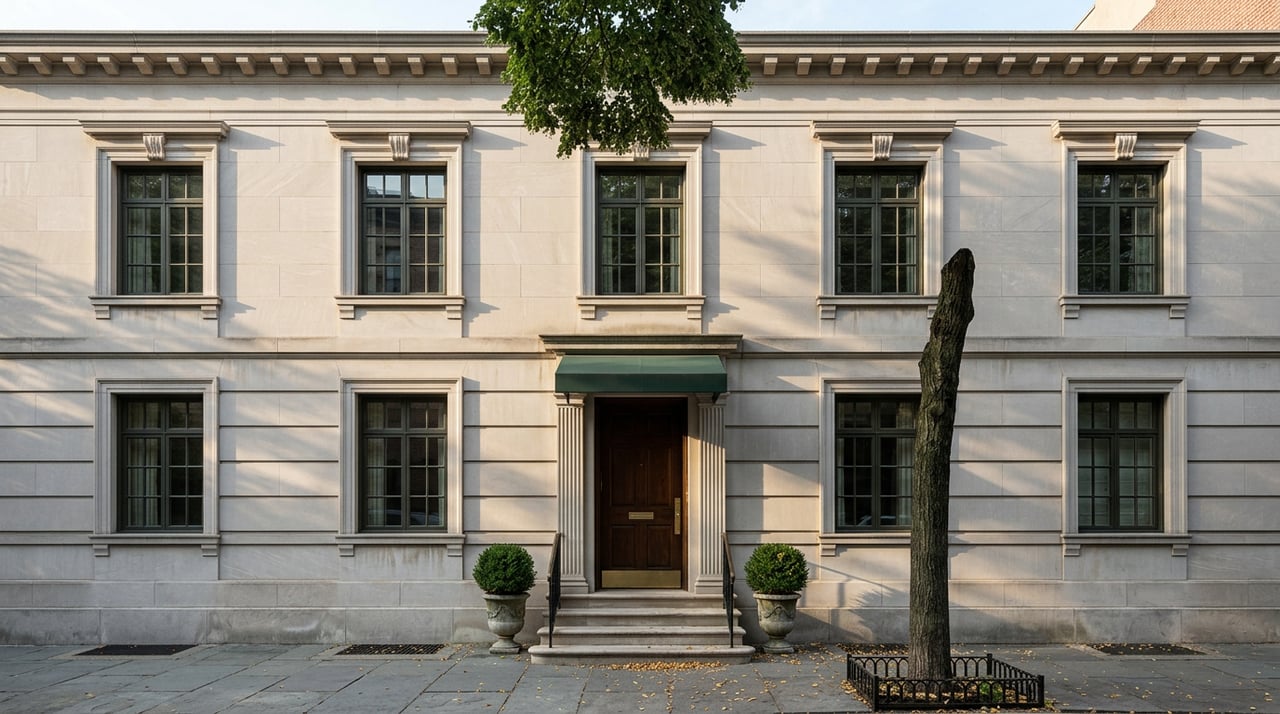
Exterior changes can be risky from both a design and approvals standpoint. LPC reviews proposed work based on its effect on architectural and historical character, so changes that ignore historic proportions, materials, or window rhythm can create problems.
Compatible upgrades are usually the smarter path. Even when new materials or windows are allowed, the overall result still needs to fit the building’s character.
Overcapitalizing on discretionary work
Not every expensive project pays you back equally. The 2025 remodeling report noted that high-joy projects do not always produce the highest cost recovery.
That matters in Carroll Gardens, where it can be tempting to chase a magazine-ready finish level. For resale, disciplined investment often beats maximum spending.
Plan Around LPC Review Early
If your home sits in a historic district, timing matters as much as design. Most exterior changes require LPC review, and that can include front and rear facades as well as some building areas not visible from the street.
For sellers on a shorter timeline, this is a critical planning point. If you wait too long to sort out approvals, your listing calendar can slip.
The good news is that many ordinary restorations may fall under a Permit for Minor Work. LPC notes that this permit can cover work such as repointing, brownstone repair, sidewalk work, ironwork, doors, and window replacement, and there is no fee for that permit type.
The Rowhouse Manual is also an official starting point for planning exterior work. It is designed to help owners preserve major architectural features and work with LPC on alterations in a way that respects the building.
Don’t Ignore Older-Home Renovation Rules
Because Carroll Gardens’ core brownstone stock dates to the late 19th century, many homes predate 1978. That matters if your renovation will disturb painted surfaces.
For paint-disturbing work in pre-1978 homes, EPA lead-safe rules apply to certified firms and certified renovators. If you are preparing a pre-sale update, this is one more reason to work with qualified professionals and build enough time into your schedule.
A Practical Pre-Listing Renovation Framework
If you are renovating for resale, keep your decision-making focused on buyer appeal, timing, and preservation. A simple framework can help:
- Assess the house honestly for condition, layout friction, and deferred maintenance.
- Prioritize kitchens, baths, and primary-suite function if they feel dated or incomplete.
- Improve garden connection wherever practical, especially at the rear of the house.
- Restore original details instead of stripping them out.
- Use cosmetic refreshes strategically with paint and surface repairs.
- Check LPC implications early before committing to exterior work.
- Avoid niche design choices that may limit buyer appeal.
- Match spending to likely resale impact rather than personal dream-home standards.
The Best Renovation Strategy for This Market
In Carroll Gardens, the most effective resale renovation is usually not the most dramatic one. It is the one that makes the home more functional, more polished, and more connected to the garden while keeping the brownstone’s original character intact.
That balance is especially important in a high-value, supply-constrained neighborhood where buyers notice both condition and authenticity. When your updates respect the house and the setting, your listing is more likely to feel credible, desirable, and well-positioned.
If you are weighing what to renovate before selling, a measured plan can protect your budget and strengthen your eventual market debut. For tailored guidance on positioning a Carroll Gardens brownstone for maximum appeal, schedule a private consultation with The Diamonde Team.
FAQs
What renovations help resale most in a Carroll Gardens brownstone?
- Kitchen upgrades, bathroom renovations, primary-suite improvements, cosmetic paint refreshes, and better garden connection tend to support resale most effectively.
Do exterior changes to a Carroll Gardens brownstone need approval?
- In historic districts, most exterior changes require LPC review, including many changes to rear facades and some areas not visible from the street.
Should you preserve original details when renovating a Carroll Gardens brownstone for sale?
- Yes. Preserved features like mantels, moldings, stair parts, stoops, and restored facades often support buyer appeal because they reinforce the home’s historic character.
Can over-custom renovation choices hurt Carroll Gardens resale value?
- Yes. Highly specific design decisions can narrow the buyer pool, especially if they look unfinished, trend-driven, or out of step with the home’s character.
Is a full gut renovation necessary before selling a Carroll Gardens brownstone?
- Not always. In many cases, selective modernization focused on kitchens, baths, garden flow, cosmetic refreshes, and original-detail preservation is the more efficient resale strategy.