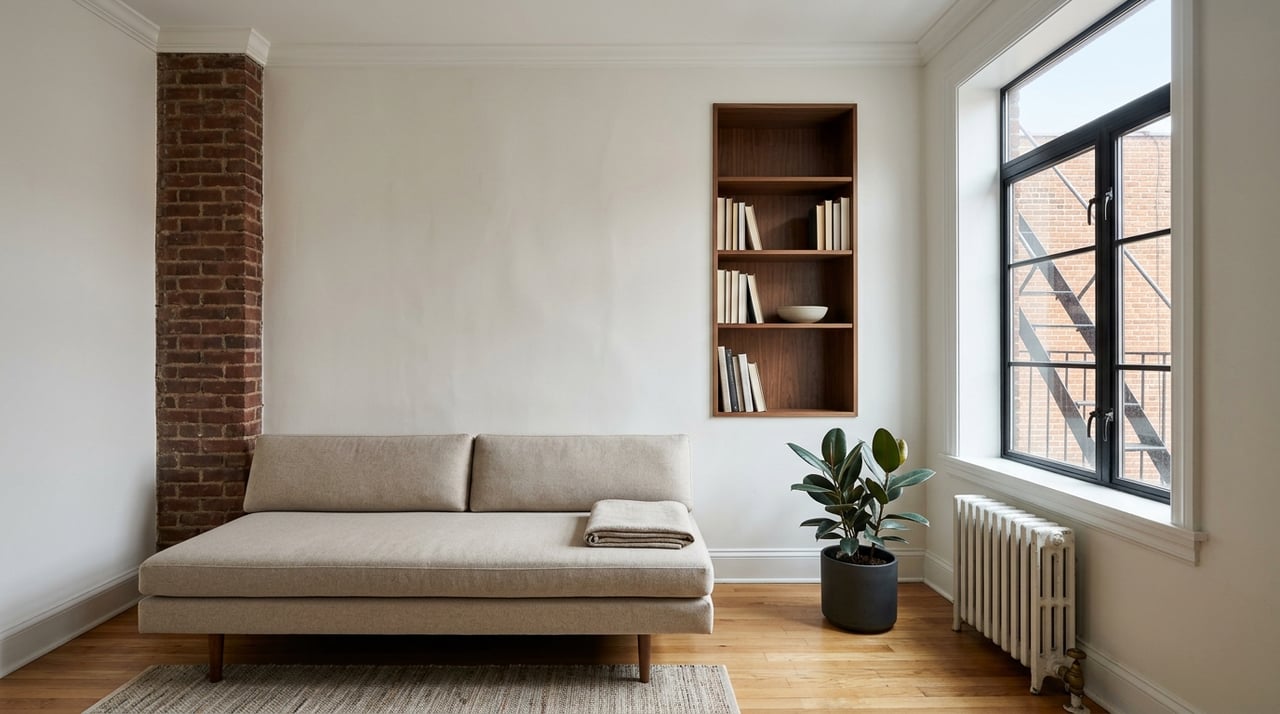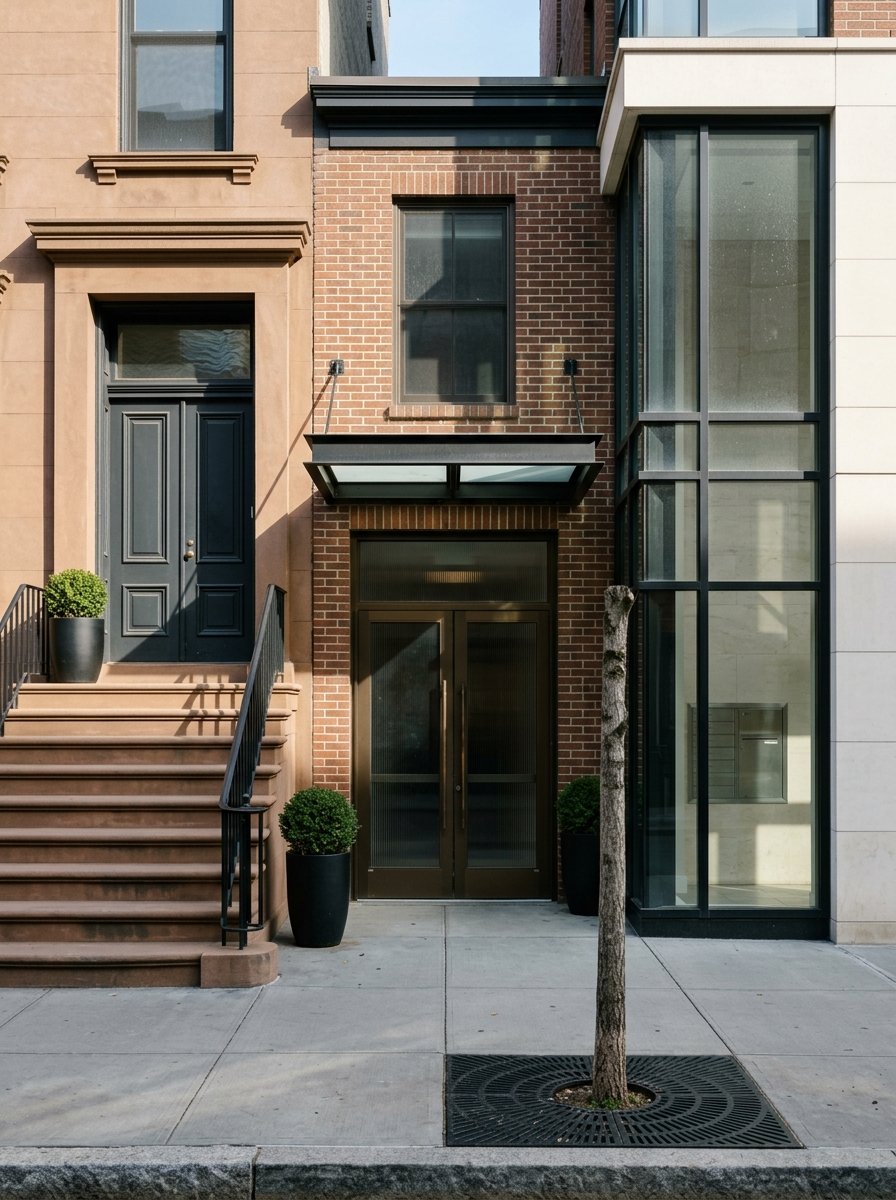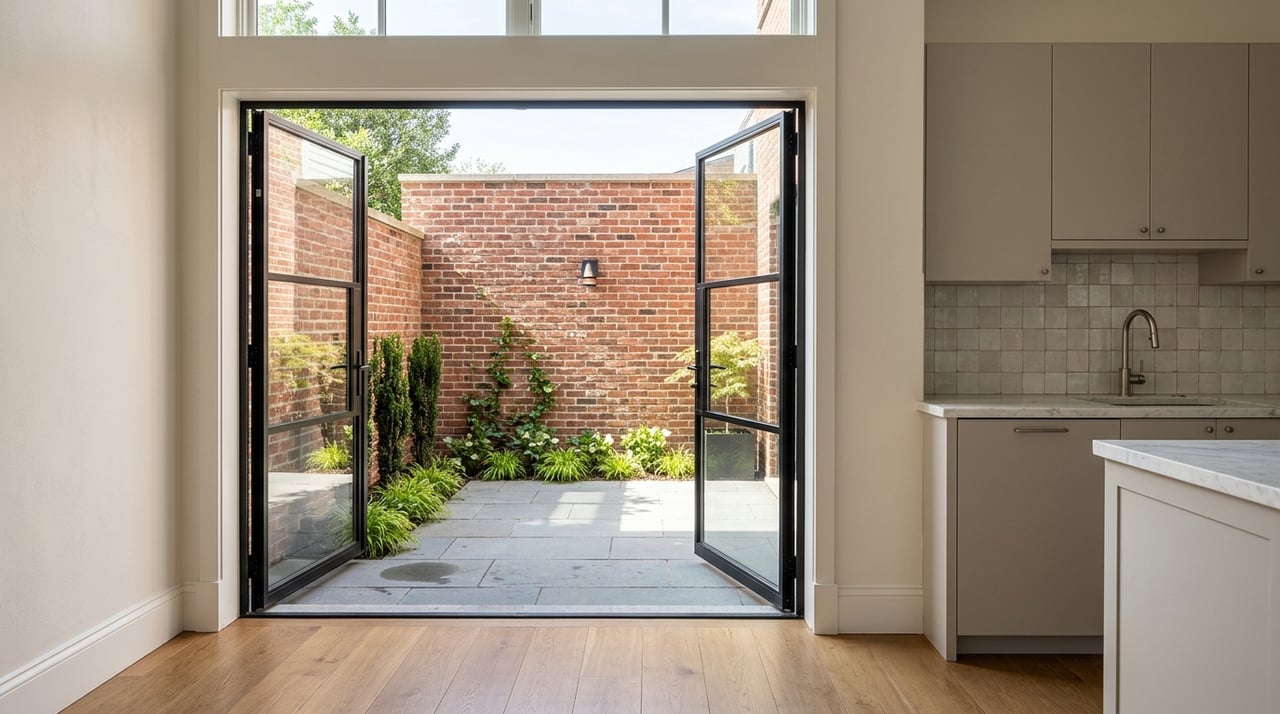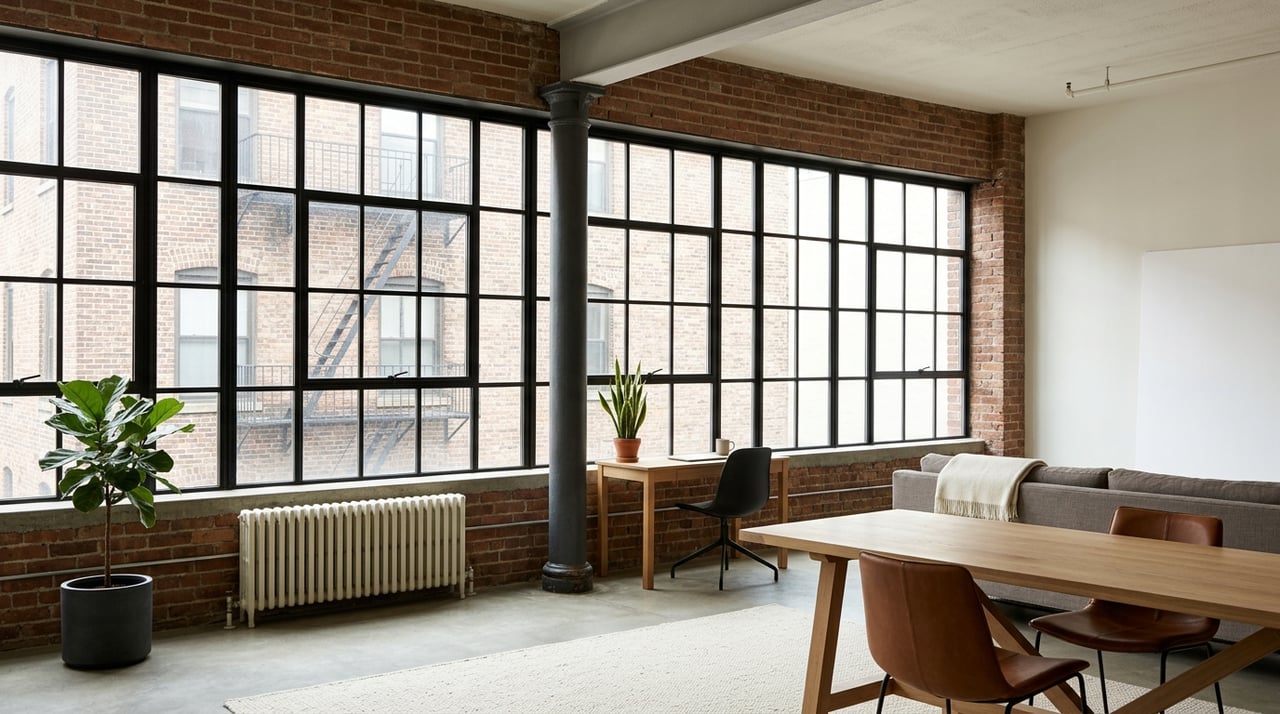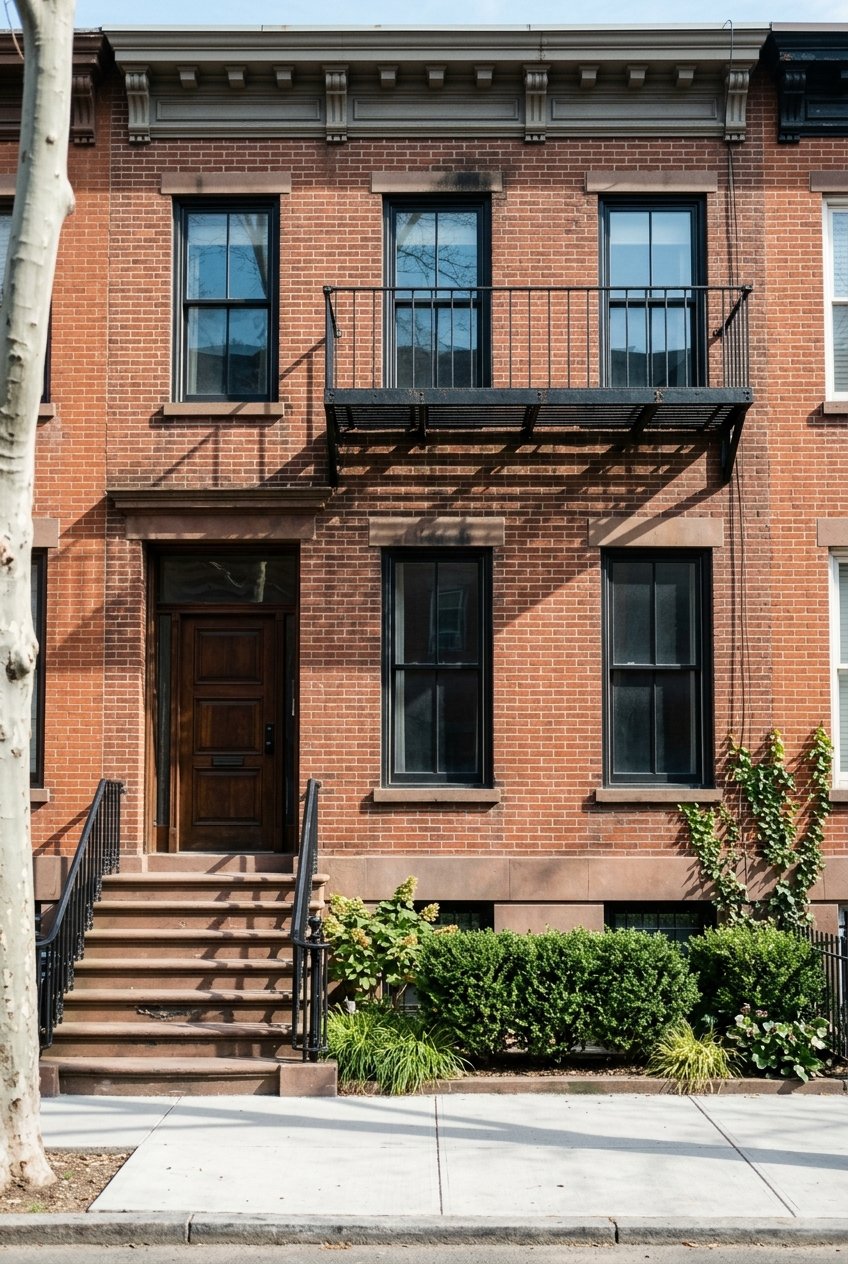
If you have ever fallen for a Cobble Hill townhouse from the sidewalk, you are not alone. These homes can feel timeless, but buying one with confidence takes more than admiring a handsome façade or a leafy block. You need to understand what you are really buying, what you may be allowed to change, and how to verify the details that matter most. Let’s dive in.
Why Cobble Hill Townhouses Stand Apart
Cobble Hill’s historic character is a big part of its appeal. The Cobble Hill Historic District was designated on December 30, 1969, and an extension was added on June 7, 1988. The district is known for tree-lined streets, low building heights, and a strong collection of 19th-century residential architecture.
That architectural fabric is not one-note. In Cobble Hill, a townhouse may show Greek Revival, Italianate, Gothic Revival, or Neo-Grec details, and the neighborhood also includes early row houses and Workingmen’s Cottages. For you as a buyer, that means style, authenticity, and condition are not just aesthetic points. They can affect value and future renovation plans.
It is also important to remember that “townhouse” does not always mean the same thing from one listing to the next. In practice, a Cobble Hill townhouse could be a single-family rowhouse, a divided multi-unit property, or a converted building. You should verify the actual configuration instead of assuming the use based on the exterior alone.
Confirm the Building Type First
Before you think about finishes, layout potential, or future resale, confirm what the property legally and practically is. A wide stoop and classic brownstone proportions may suggest a single-family home, but public records may tell a more nuanced story. This is one of the most important early steps in townhouse due diligence.
A smart public-record workflow includes checking ACRIS for recorded documents and DOB NOW for permits, job status, and inspection history. You should also review the certificate of occupancy or related Department of Buildings records where applicable. Together, those records can help you understand whether the townhouse is currently configured as a single-family residence, a multi-unit property, or a past conversion.
Check Landmark Status Early
In Cobble Hill, landmark status is not a side note. It can shape your plans from day one. If a property is within the historic district or is otherwise designated, certain exterior changes are subject to Landmarks Preservation Commission review.
That does not mean a landmarked townhouse cannot be updated. LPC makes clear that designation does not freeze a building in time, but it does require advance approval for alteration, reconstruction, demolition, or new construction affecting the designated property. Interior work is generally outside LPC review unless it affects the exterior or requires a Department of Buildings permit.
For routine ownership, this distinction matters. Ordinary repairs such as replacing broken window glass generally do not need LPC approval, but changes to façades, windows, rooflines, and other visible exterior features often do. LPC also states that owners must keep landmark properties in a state of good repair, so ongoing maintenance should be part of your ownership budget and planning.
Verify Zoning by Address
One of the biggest mistakes buyers make is assuming zoning works neighborhood-wide. In Cobble Hill, it does not. New York City notes that different zoning areas can exist within the same neighborhood and even on the same block.
That is especially relevant if you are thinking about expanding, reconfiguring, or adding value over time. Some Cobble Hill properties are in R6 districts, while others are in R6B, and the practical effect can be significant. R6B is intended to help maintain the scale of older rowhouse buildings on narrow streets, which is directly relevant in a neighborhood like Cobble Hill.
The takeaway is simple: check the exact tax lot. Do not rely on a broker description, a neighboring house, or a general sense of the block. For any townhouse you are seriously considering, zoning should be verified address by address.
Focus on Exterior Condition
In Cobble Hill, exterior condition is not just a cosmetic issue. It affects maintenance costs, renovation complexity, and in many cases your approval path for future work. If the townhouse is within the historic district, exterior elements become especially important because they are often the parts most directly tied to review.
As you evaluate a home, pay close attention to:
- Masonry condition
- Stoop wear and repairs
- Windows and window replacement history
- Rooflines and visible roof work
- Front façade details and alterations
These are the areas most often implicated in landmark review or building-permit work. They can also give you clues about how thoughtfully the property has been maintained over time.
Be Realistic About Expansion Potential
A common townhouse dream is easy extra square footage. In Cobble Hill, that dream may be possible, but it is rarely automatic. Rear-yard additions, rooftop additions, rooftop bulkheads, solar canopies, window replacement, roof changes, and cellar excavation all appear in recent local filings, which shows how often owners try to create more usable space within a historic rowhouse framework.
That said, possibility is not permission. Rear-yard and roof expansion are shaped by the exact zoning district, the existing building footprint, and LPC review if the property is landmarked. A charming garden can be a real asset, but you should not assume it can support a full rear addition or major rework.
This is where disciplined due diligence protects you. If your purchase decision depends on future expansion, the question is not whether someone on the block has done something similar. The question is what this specific lot, this specific building, and this specific regulatory context may allow.
Understand the Value of the Block
When you buy a Cobble Hill townhouse, you are buying more than a floor plan. You are also buying into a highly specific block experience shaped by architecture, scale, and everyday convenience. That context matters for both lifestyle and long-term desirability.
Cobble Hill offers neighborhood-scale open space, including Cobble Hill Park, which is 0.585 acres. For larger waterfront green space, Brooklyn Bridge Park offers 85 acres and is open free to the public. In the broader 11201 area that includes Cobble Hill, residents report that subway access is very close and easy to use, errands are often done on foot, and food-shopping options are above average.
That combination helps explain why townhouse buyers are drawn here. You can find a quieter residential setting while still enjoying strong day-to-day convenience. For many buyers, that balance is part of the value equation.
Use Local Records to Reduce Surprises
Confidence comes from verification. In a townhouse purchase, especially in a historic Brooklyn neighborhood, public records can answer questions that photos and open houses cannot. If you want clarity before you commit, build your review process around the local tools that speak directly to the property.
Your key questions should include:
- Is the building landmarked?
- What exact zoning applies to the lot?
- What is the current legal or recorded configuration?
- What permits or filings already exist?
- What kinds of changes may still be possible?
Useful resources for these questions include LPC’s Landmark Search and historic district maps, NYCCityMap and Department of City Planning zoning tools, ACRIS, DOB NOW, and Brooklyn Community Board 6. Community Board 6 covers Cobble Hill and handles local issues tied to land use, housing, and transportation, which can help when you are comparing blocks or tracking nearby changes.
A Practical Cobble Hill Buyer Strategy
If you want to buy a Cobble Hill townhouse with confidence, keep your process grounded and sequential. Start with the romance of the house if you want, but make your decision with facts.
A practical approach looks like this:
- Confirm whether the address is within the historic district or otherwise landmarked.
- Verify the exact zoning for the tax lot.
- Review ACRIS, DOB NOW, and occupancy-related records.
- Evaluate the exterior carefully, with special focus on masonry, windows, stoops, and rooflines.
- Test any renovation or expansion hopes against the actual property records and review framework.
- Study the immediate block context, open space access, and nearby land use patterns.
This kind of process is especially important at the luxury end of the market, where design, provenance, and future flexibility can influence both lifestyle and value. A Cobble Hill townhouse can be an extraordinary purchase, but the strongest buyers are the ones who pair taste with rigor.
When you are weighing a Cobble Hill townhouse, details matter. The right guidance can help you interpret the architecture, verify the records, and assess what is truly possible before you make a move. If you are considering a purchase and want a thoughtful, design-aware approach, The Diamonde Team can help you navigate the process with clarity.
FAQs
What makes a Cobble Hill townhouse different from other Brooklyn townhouses?
- Cobble Hill townhouses sit within a notable historic context, with a mix of 19th-century architectural styles and many properties affected by historic district review rules.
How can you verify if a Cobble Hill townhouse is landmarked?
- You can confirm whether a specific address is designated by using LPC’s Landmark Search and reviewing the historic district maps for Cobble Hill.
Why should you check zoning before buying a Cobble Hill townhouse?
- Zoning can vary from lot to lot in Cobble Hill, and it affects allowable size, use, density, and what future changes may be possible.
What records should you review before buying a Cobble Hill townhouse?
- You should review ACRIS for recorded documents, DOB NOW for permits and job history, and certificate of occupancy or related DOB records to verify the current configuration.
Can you add square footage to a Cobble Hill townhouse after purchase?
- Possibly, but rear-yard additions, rooftop work, bulkheads, and cellar excavation are constrained by the exact zoning, the building footprint, and LPC review if the property is landmarked.
What exterior features matter most in a Cobble Hill townhouse purchase?
- Masonry, stoops, windows, rooflines, and front façades matter because they affect maintenance, value, and potential review requirements for future work.