What is really moving Tribeca’s luxury prices right now? If you have toured a classic loft and a gleaming new tower in the same afternoon, you know the spread can be wide and the timelines unpredictable. You want clear, grounded guidance that goes beyond broad Manhattan talking points and speaks to what sells in Tribeca, why, and how long it takes. In this guide, you’ll learn how product mix, days on market, buyer behavior, and building-level details shape value so you can price, purchase, or plan with confidence. Let’s dive in.
What drives pricing in Tribeca now
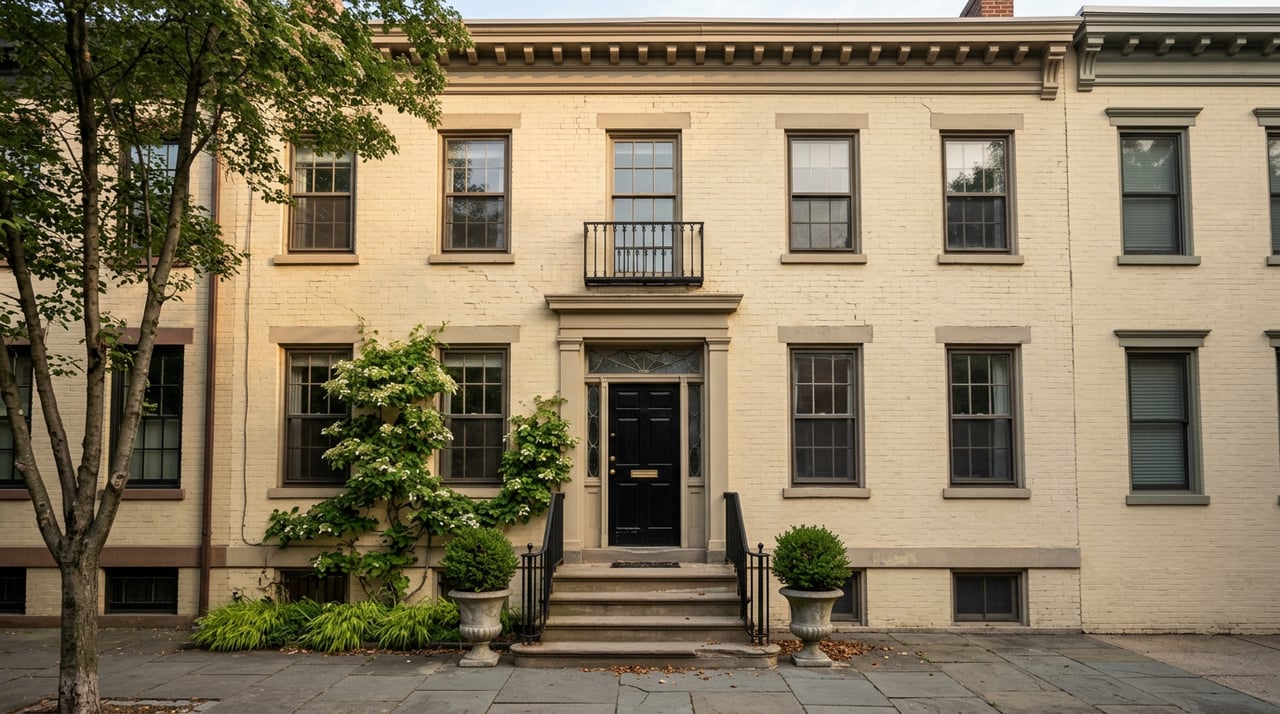
Tribeca is not a single market. It is a set of overlapping sub-markets that include prewar loft conversions, full-service new condominiums, long-established co-ops, and a handful of townhouses. Each behaves differently on pricing, time to contract, and buyer demand. Understanding which sub-market you are in is step one to setting smart expectations.
Loft conversions set a unique curve
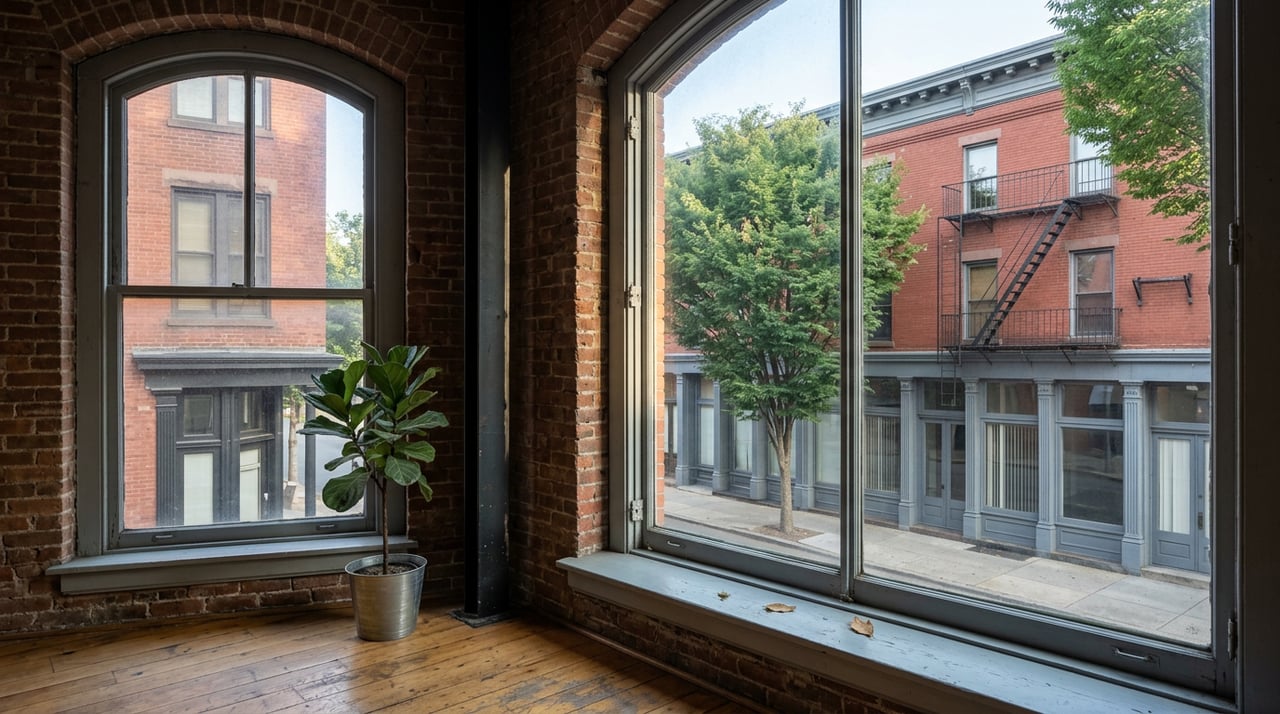
Authentic prewar lofts define Tribeca’s character. High ceilings, large windows, and original industrial details attract buyers who prize space and texture. Pricing hinges on layout usability, ceiling height, light and exposure, and the building’s services. Lofts that can be configured into defined bedrooms while keeping the character often command stronger results because they meet modern living needs.
Many classic lofts sit in co-ops. Board approvals and financing limits can narrow the buyer pool, which affects liquidity and sometimes reduces achieved prices versus initial ask. On the flip side, owner-occupiers and design-minded buyers will pay for authenticity and scale. Expect more idiosyncratic pricing and longer marketing windows for singular spaces that lack obvious comparables.
New development condos price for convenience
Newer condominium buildings bring contemporary floor plans, turnkey finishes, and amenity suites such as concierge service, fitness, and pools. Buyers often pay a premium per square foot for views, high-floor panoramas, and brand-name architects or developers. These homes appeal to domestic and international buyers who value ease and flexibility.
Developers set pricing to absorb inventory over time, and they adjust tools like concession packages or paced releases to match demand. When a new building delivers a cluster of similar units, you can see temporary oversupply at specific price points. Resales in well-received buildings often move faster than co-ops due to easier financing and a broader buyer base.
Co-ops and condos shape the buyer pool
Co-ops typically have stricter rules and lower allowable financing ratios, which favors long-term owner-occupiers and narrows investor participation. Condos are more permissive on use and financing, which opens the door to pied-à-terre and international buyers. Two near-identical apartments, one in a co-op and one in a condo, will not attract the same buyers or trade at the same pace. That difference shows up in both price and days on market.
Townhouses are rare and bespoke
Tribeca has a small number of townhouses and unique properties. These sales are driven by land value, privacy, and redevelopment potential. Each asset is one-of-one, so pricing and timing are case specific. Traditional metrics like average days on market matter less in this micro-segment.
Liquidity, timing, and days on market
Days on market, list-to-sale ratios, and price reduction patterns in Tribeca’s luxury tier need careful interpretation. A longer marketing period does not automatically mean weak demand. It often reflects the specificity of the product and the limited number of comparable buyers.
How to read DOM and price cuts
Low days on market paired with strong price per square foot typically signals constrained supply for that exact product type. Longer days on market for a trophy property or singular loft can be normal because the right buyer takes time to surface. Frequent or early price reductions point to an initial misread on value or overreliance on aspirational pricing. A small number of larger reductions usually indicates the property started too far above realistic comparables.
Seasonality favors spring, opportunities in winter
The luxury market in Manhattan, Tribeca included, is most active in spring with quieter winter months. School calendars and holidays influence timing for families and relocating professionals. Listing just before the spring push can maximize exposure. Buyers often find more flexible negotiations in late fall and winter when competition eases.
Interest rates and the power of cash
Higher mortgage rates affect financed buyers, especially in co-ops with stricter loan-to-value limits. Many Tribeca luxury buyers are all-cash or put down significant equity, which softens rate sensitivity but does not remove it entirely. Cash offers can shorten timelines and change negotiation dynamics, sometimes reducing the need for seller concessions while emphasizing exclusivity and certainty of close.
Who is buying in Tribeca today
Tribeca attracts a mix of owner-occupiers, ultra–high-net-worth buyers, international purchasers, investors, and second-home seekers. Their motivations differ, which shapes what sells and at what premium.
Owner-occupiers seeking space and calm
Families and long-term residents often prioritize usable space, privacy, and convenient access to daily amenities. Loft layouts that offer defined bedrooms and work-from-home options tend to win attention. Neutral proximity considerations like parks, transit, and daily services matter. These buyers typically value well-run buildings with transparent financials.
Trophy and UHNW buyers focus on quality
Buyers seeking signature properties care about provenance, privacy, and top-tier execution. Private elevators, large terraces, and exceptional views command attention. These buyers may be less price sensitive and more focused on the uniqueness of the residence and the reputation of the building team.
International and pied-à-terre buyers return in waves
International participation in Tribeca fluctuates with travel patterns, currency movements, and regulatory changes. Condos draw these buyers due to flexible policies and ease of ownership. When travel normalizes and global wealth trends are favorable, activity in amenity-rich buildings typically picks up.
Investors and second-home buyers hedge for utility
Investors look for condo properties with rental flexibility and solid long-term appreciation potential. Second-home buyers prioritize lock-and-leave convenience and services that simplify ownership. In both cases, carrying costs and governance matter because they affect total return or ease of use.
Micro factors that move value
In Tribeca’s luxury market, building-level details and practical design often outmuscle neighborhood averages. Two apartments on the same block can trade very differently due to governance, layout, and exposure.
Building reputation and governance
Well-managed buildings with strong reserves, clear financials, and responsive boards command premiums. Predictability reduces buyer friction and can shorten time to contract. Buildings with deferred maintenance, litigation, or unstable governance tend to underperform even in strong markets.
Floor plan and convertibility
In the luxury tier, usable rooms matter more than raw square footage. Buyers pay for circulation, privacy between bedrooms, and logical bedroom counts. Loft conversions that can add a bedroom or office without losing character achieve better outcomes. Visualizing these options through plans or renderings helps widen the buyer pool.
Views, light, and exposure
Waterfront outlooks and high-floor vistas carry clear premiums, especially in newer towers. Corner exposures and southern light can lift results within the same line of a building. In loft buildings, wide window bays and open exposures add perceived volume and value.
Landmark and zoning constraints
Landmark status preserves Tribeca’s fabric while limiting redevelopment. That constraint can underpin values for truly authentic lofts because supply cannot easily expand. Zoning rules that restrict additional bulk or height similarly limit new competition in the long run.
Taxes, common charges, and assessments
Total monthly carrying costs factor directly into offers. Property taxes, maintenance or common charges, and potential assessments are part of a buyer’s budget calculus. Mid-to-upper price segments are especially sensitive to how these costs compare across buildings and nearby neighborhoods.
Practical strategy for sellers
Pricing, timing, and presentation should match your product type and the current competition. Segment your strategy rather than relying on neighborhood-wide averages.
Key seller takeaways
- Price by sub-market, not zip code. Use comparable sales from the same product type and building tier to set expectations.
- Lead with usable space. Emphasize room definitions, ceiling heights, and convertibility in lofts to broaden appeal.
- Track the new development pipeline. If similar units are delivering nearby, adjust pricing or incentives to stay competitive.
- Plan for longer timelines if unique. Trophy or highly idiosyncratic homes often need extended marketing and targeted outreach.
- Prepare early for co-op complexity. Assemble financials and board materials to reduce friction once you are in contract.
Seller checklist before listing
- Recent comparable sales from the past 12 months for your product type and tier
- Building financials, reserves, and any known or pending assessments
- Pre-listing inspection focus on major systems where possible
- Staging plan that clarifies bedrooms and work zones, especially in lofts
- Strategy for price reviews and a realistic marketing timeframe
Practical strategy for buyers
Match the product to your intended use and understand building governance before you bid. Your due diligence will pay dividends in negotiation and in long-term satisfaction.
Key buyer takeaways
- Choose the right ownership structure. Condos offer flexibility and broader financing options, while co-ops can be more restrictive and community-oriented.
- Read building history closely. Recent sales, board policies, and carrying costs reveal how a building performs in the market.
- Validate layout potential. In lofts, obtain prior plans and confirm whether reconfiguration is feasible under zoning and building rules.
- Align financing early. Work with a lender who understands Manhattan luxury timelines and documentation, then present strong proof of funds or pre-approval.
Buyer checklist
- Recent sales and pending contracts in the building and on adjacent blocks
- Board application rules, processing timelines, and any flip taxes for co-ops
- Property tax and carrying cost estimates to assess total monthly spend
- Landmark and zoning constraints that affect renovations
- Estimated closing timeline based on financing or cash
How we help you win in Tribeca
You deserve advice that blends data with design sense and precise execution. The Diamonde Team brings boutique, high-touch service backed by Douglas Elliman’s reach, combining editorial marketing with negotiation that protects your bottom line. For sellers, we craft a narrative that highlights usable space and architectural character, and we deploy premium photography, floor plans, and visualization so buyers see the full potential. For buyers, we source the right micro-segment, pressure test building financials, and structure offers that balance price, terms, and timing.
If you are considering a move in Tribeca, connect for targeted guidance that reflects the realities of this micro-market and the nuances of your goal.
Ready to talk through your options or get a tailored pricing read? Schedule a private consultation with The Diamonde Team.
FAQs
Is now a good time to buy in Tribeca luxury?
- It depends on your product target and financing. Cash-heavy buyers face less rate pressure, while fully financed buyers should compare months of supply and recent sales in their exact segment before acting.
Why do classic lofts price differently than new condos?
- Buyer pools and expectations differ. New condos offer turnkey finishes and amenities that command premiums, while lofts trade on character and layout functionality. Modernized lofts with usable bedrooms can narrow the price gap.
How long will it take to sell a Tribeca luxury home?
- Idiosyncratic or trophy properties often need more time to find the right buyer. Well-priced, well-marketed condos can move faster. Use rolling 12-month days-on-market by sub-segment to set expectations.
How do co-op rules affect price and demand?
- Co-op boards and financing limits reduce the buyer pool and can lengthen timelines. That translates into different pricing dynamics than comparable condos, which are more flexible on use and financing.
Are international buyers active in Tribeca again?
- International participation returns in waves based on travel ease, currency moves, and global wealth trends. Activity tends to concentrate in condos with strong services and straightforward ownership structures.